Is Phlebitis a Blood Clot? Superficial Phlebitis vs. DVT
Published 2026-08-10
A red, tender line has surfaced along your inner calf, and the internet just told you it might be a clot heading for your lungs. Now you cannot decide whether to book an appointment or drive to the emergency room.
That fear is worth taking seriously, but it is usually pointed at the wrong vein.
Vein specialists at Vein Center Doctor separate harmless surface inflammation from a dangerous deep clot every week across New York and New Jersey, and a handful of physical signs do most of the sorting.
Is Phlebitis a Blood Clot?
Phlebitis is inflammation of a vein, not automatically a blood clot. When a clot does form inside that inflamed surface vein, the condition becomes superficial thrombophlebitis.
Deep vein thrombosis is a separate event: a clot in the deep veins of the calf or thigh, where the real risk of pulmonary embolism lives.
So the honest answer is "sometimes." A visible, cord-like vein near the skin points toward phlebitis. A silent, swollen, aching leg points toward a deep clot, and that distinction changes everything about what happens next.
Superficial Phlebitis vs. DVT: The Core Differences
Superficial veins sit just under the skin, so their problems announce themselves. Deep veins run inside the muscle, so their clots hide. The table below maps the signs patients use to tell the two apart:
| Feature | Superficial Phlebitis | Deep Vein Thrombosis (DVT) |
|---|---|---|
| Location | Vein just under the skin | Deep veins inside the calf or thigh |
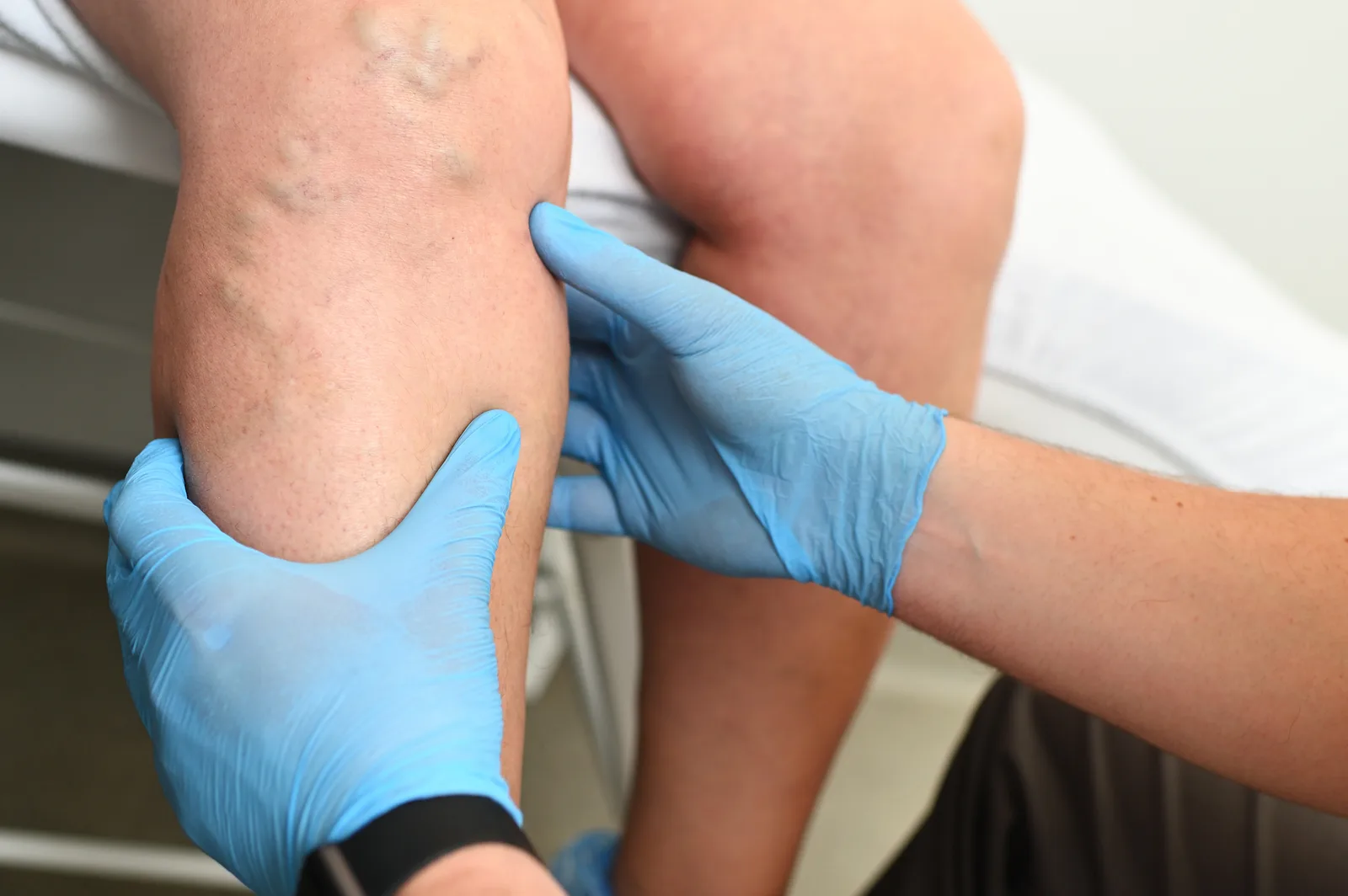
| What you see | Red, warm streak following a visible vein | Often no surface change at all |
| What you feel | Firm, tender cord you can trace with a finger | Deep ache, calf tightness, whole-leg heaviness |
| Swelling | Local, around the inflamed segment | Diffuse, involving the entire calf or ankle |
| Main danger | Usually low; can extend into deep veins | Pulmonary embolism, a medical emergency |
The palpable cord is the single most useful clue. Deep vein thrombosis rarely produces a rope you can feel, because the clot sits too far below the surface.
Swelling patterns matter almost as much. Inflammation of a surface vein swells one spot, while a deep clot backs up an entire limb.
When Phlebitis Does Involve a Clot
A clot inside a surface vein is not automatically minor. Position decides the risk.
The saphenofemoral junction is the anatomical gateway where the great saphenous vein empties into the deep femoral vein. A clot climbing toward that junction can push into the deep system and convert a nuisance into a threat.
That is why specialists measure clot distance, not just clot presence. Superficial thrombophlebitis within roughly 3 centimeters of the junction gets managed like a deep venous event, sometimes with blood thinners.
Extent adds a second layer. A short, isolated segment behaves very differently from clotting that spans much of the thigh, and superficial vein thrombosis that keeps advancing needs monitoring rather than reassurance.
Warning Signs That Point Toward a Deep Clot
Most surface phlebitis calms down within days. A deep clot tends to escalate, and the symptom pattern usually gives it away.
Contact a vein specialist promptly if you notice:
- Swelling that fills the whole calf or ankle rather than tracking one visible vein.
- A deep, cramping calf ache that worsens when you stand or walk.
- Warmth and redness spreading across the leg instead of following a thin line.
- Skin that turns dusky, bluish, or unusually tight over the calf.
Go to an emergency department immediately for sudden shortness of breath, chest pain, or coughing up blood. Those symptoms suggest a clot has already traveled to the lungs, and a pulmonary embolism cannot wait for an office visit.
Even when your signs sit in the gray zone, a complete DVT evaluation settles the question faster than another night of worry.
Why the Clot Formed in the First Place
Phlebitis rarely strikes a healthy vein. It usually marks a vein that was already failing.
Faulty valves let blood pool in the superficial system. Pooled blood moves slowly, and slow-moving blood clots more easily against an already irritated vein wall.
That is the quiet link between lumpy varicose veins and a sudden painful cord. The varicose vein you have ignored for years is the exact reservoir where a surface clot prefers to form.
Other triggers stack on top of a weak vein. Long flights, recent surgery, IV lines, pregnancy, estrogen-based contraceptives, and inherited clotting disorders such as Factor V Leiden all tilt the odds toward a clot.
How Specialists Tell Them Apart
At Vein Center Doctor, the guessing ends with imaging.
Duplex ultrasound is the deciding test. This painless scan shows whether a clot exists, whether it sits in the superficial or deep system, and how close it has crept to the saphenofemoral junction.
The scan also reveals the reflux underneath. Ultrasound maps which valves have failed, so the specialists treat the mechanism behind the phlebitis rather than only the flare you can see today.
For uncomplicated surface phlebitis, the plan stays conservative:
- Graduated compression therapy at 20-30 mmHg during waking hours.
- Anti-inflammatory medication for seven to ten days to ease pain and swelling.
- Walking every hour, because the calf muscle pump clears inflammation faster than bed rest.
When ultrasound shows reflux driving the episodes, the specialists seal the failing vein. Radiofrequency ablation closes the incompetent saphenous vein, VenaSeal shuts it with medical adhesive, and each procedure removes the reservoir where the next clot would gather.
Key Takeaways
- Phlebitis means an inflamed vein; it becomes a clot only when thrombosis forms inside it.
- A firm, tender cord under a red streak points to superficial phlebitis, not a deep clot.
- Whole-leg swelling, deep calf ache, and breathlessness point toward DVT and demand urgent care.
- Clot position near the saphenofemoral junction, confirmed by duplex ultrasound, drives the treatment plan.
- Treating the underlying varicose veins removes the reason surface clots keep returning.
Related Reading
- Phlebitis: Causes, Symptoms, and Treatment Options
- How Long Does Phlebitis Last? Recovery Timeline and Warning Signs
- Understanding Deep Vein Thrombosis (DVT)
Schedule a Free Vein Screening
Vein Center Doctor offers free vein screenings at 12 locations across New York and New Jersey. A board-certified vein specialist scans your leg with duplex ultrasound, confirms whether a clot is present, and treats the reflux behind the inflammation.
Schedule your free screening today or call (914) 274-4412. Same-week appointments are available at offices from Ardsley to Edison.