Phlebitis: Causes, Symptoms, and Treatment Options
Published 2026-06-22
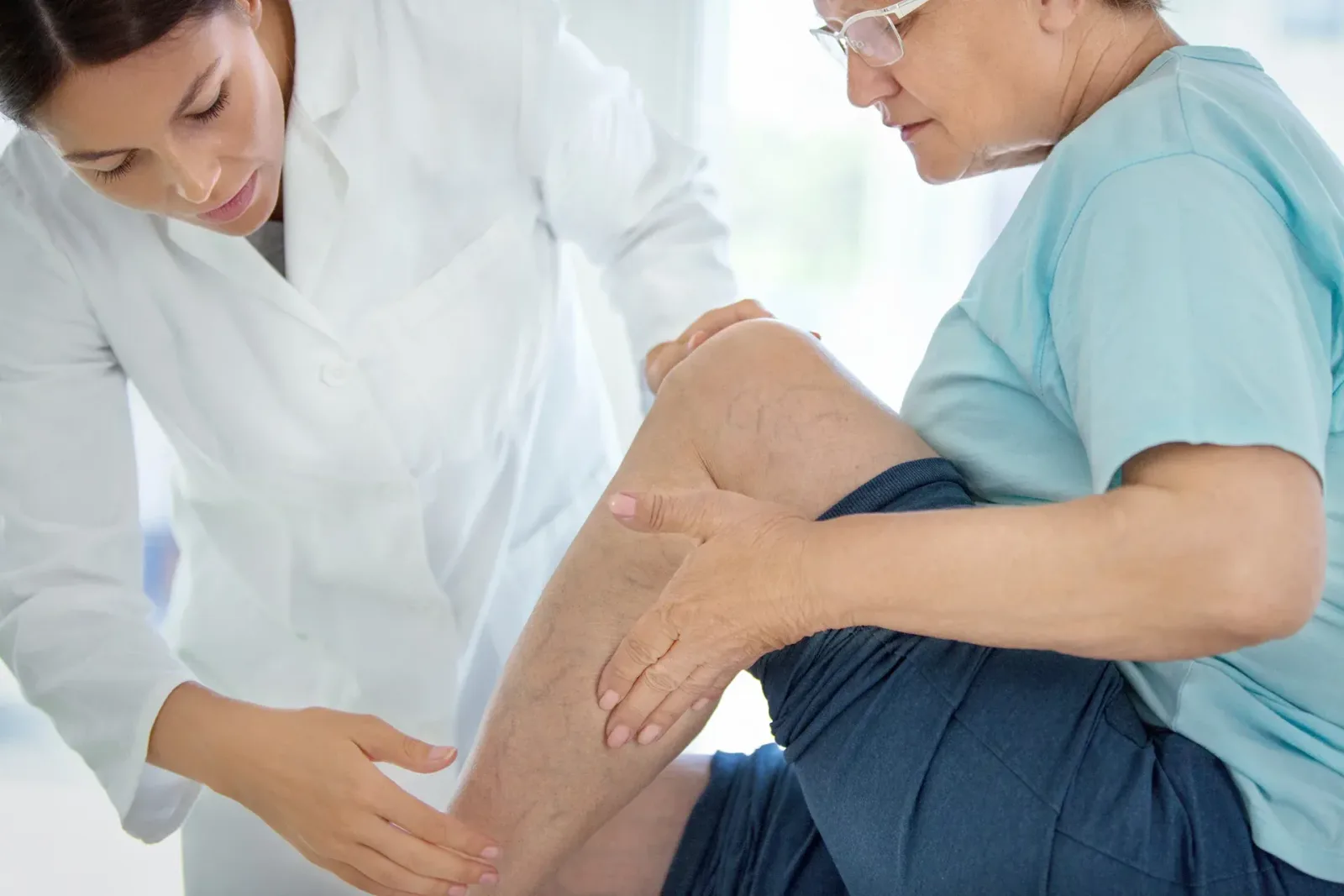
You notice a warm, tender spot along your inner calf that wasn't there yesterday. The skin above it is flushed, and a firm ridge runs just beneath the surface. Pressing on it sends a dull ache up through your leg.
That ridge is an inflamed vein. Vein specialists at Vein Center Doctor across New York and New Jersey evaluate this presentation several times each week — and what happens next depends on how deep the inflammation goes.
What Is Phlebitis?
Phlebitis is the inflammation of a vein wall, most commonly affecting the superficial venous system in the legs. The condition produces localized redness, warmth, swelling, and tenderness along the course of the affected vessel. When a blood clot forms inside the inflamed segment, the condition becomes superficial thrombophlebitis — a related but clinically distinct diagnosis that requires duplex ultrasound imaging to rule out deeper involvement.
Phlebitis can affect any vein in the body. However, the great saphenous vein and its tributaries in the lower leg account for the majority of cases that vein specialists treat in outpatient settings.
Common Causes of Phlebitis
Vein inflammation rarely appears without a trigger. Understanding the root cause is the first step toward preventing recurrence.
Underlying varicose veins. Enlarged, incompetent veins with damaged valves create slow-moving pools of blood. Sluggish blood flow irritates the vein wall. That irritation produces the inflammatory response patients feel as warmth and tenderness. Patients with untreated varicose veins face a higher lifetime risk of phlebitis episodes.
Prolonged immobility. Sitting for extended periods — long flights, desk-bound workdays, post-surgical recovery — reduces calf muscle pump activity. Reduced pumping slows venous return. Slowed venous return allows inflammatory mediators to concentrate along the vessel wall.
IV catheters and medical procedures. Intravenous lines, particularly those left in place for multiple days during hospitalization, can irritate the vein lining and trigger localized phlebitis in the arm or hand.
Trauma or injury. A direct blow to the leg, a compression injury from tight clothing, or minor trauma during exercise can damage the inner lining of a superficial vein. That endothelial damage initiates the clotting and inflammatory cascade.
Hormonal factors and blood disorders. Estrogen-based contraceptives, pregnancy, and inherited clotting disorders such as Factor V Leiden increase the tendency toward thrombus formation. Clot formation within a superficial vein triggers the inflammatory response that defines thrombophlebitis.
Recognizing the Symptoms of Phlebitis
Phlebitis announces itself through a predictable cluster of signs. Knowing what to look for helps patients seek evaluation before the condition progresses.
The hallmark symptom is a firm, cord-like ridge beneath the skin that follows the path of a vein. The overlying skin turns red and feels warm to the touch. Pressing along the cord produces localized pain.
Mild swelling around the affected area is common. Some patients report a pulling sensation when extending the leg or flexing the ankle. The discomfort typically worsens with prolonged standing and improves with elevation.
When to see a specialist immediately. If the redness and swelling extend rapidly, if the entire calf becomes swollen, or if you develop shortness of breath or chest tightness, these signs may indicate deep vein involvement. Contact a vein specialist or visit an emergency department without delay.
How Vein Specialists Diagnose Phlebitis
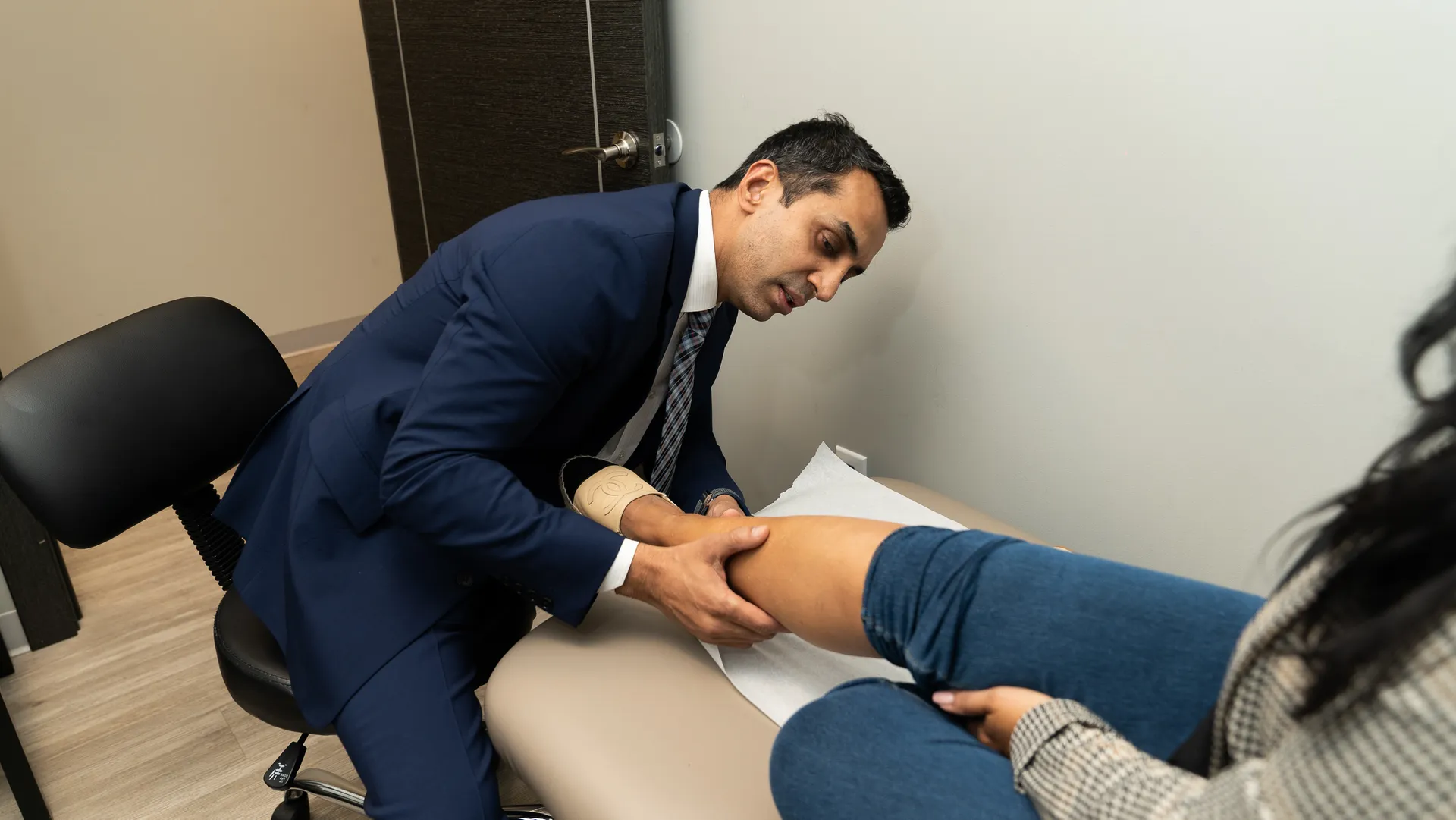
At Vein Center Doctor, the diagnostic process follows a structured clinical pathway — not guesswork. The vein specialist's job is to confirm the diagnosis and determine whether the inflammation stays superficial or has extended deeper.
Physical examination. The specialist maps the affected vein segment by palpation, assesses skin temperature with the back of the hand, and measures any circumferential swelling difference between legs. Swelling that extends well above or below the tender cord raises clinical suspicion of deeper involvement.
Duplex ultrasound. This noninvasive imaging study combines real-time anatomical visualization with Doppler flow analysis. The ultrasound reveals whether a thrombus exists, how far it extends, and — critically — whether it has propagated toward the saphenofemoral junction, the anatomical gateway between superficial and deep venous systems. A thrombus within 3 centimeters of that junction is managed as a deep venous event.
The entire evaluation at our offices takes approximately 30 minutes. Patients receive a clear diagnosis and treatment plan during the same visit.
Risk stratification. Beyond imaging, Vein Center Doctor's specialists review personal risk factors: prior DVT episodes, recent immobilization, hormonal medication use, family clotting history, and recent surgical procedures. The combination of imaging findings and clinical risk profile determines the appropriate treatment intensity.
Treatment Options for Phlebitis
Treatment depends on severity, clot presence, and proximity to the deep venous system.
Conservative management for uncomplicated cases. Most superficial phlebitis episodes respond to a structured outpatient protocol:
- Graduated compression therapy at 20-30 mmHg, worn during waking hours for two to four weeks.
- Anti-inflammatory medication (typically ibuprofen 400-600 mg, three times daily) for seven to ten days.
- Warm compresses applied to the inflamed segment for 15-20 minutes, three times daily.
- Leg elevation above heart level for 20 minutes, three times daily.
- Walking — not bed rest. Movement activates the calf muscle pump and promotes venous return.
Patients typically notice significant improvement within seven to ten days. The palpable cord may persist for several weeks as the vein remodels, but pain and redness resolve faster.
Treating the underlying vein disease. Phlebitis is often a signal that deeper venous insufficiency exists. Once the acute episode resolves, Vein Center Doctor's specialists address the root cause. Untreated venous reflux makes future phlebitis episodes more likely.
Definitive treatment options include radiofrequency ablation to seal the incompetent saphenous vein, VenaSeal closure using medical adhesive, or ultrasound-guided sclerotherapy for smaller tributary veins. Each procedure is minimally invasive, performed in an outpatient setting, and allows same-day return to normal activity.
Finally — a treatment approach that addresses the anatomy producing the inflammation, not just the symptoms it creates.
Preventing Phlebitis From Recurring
Without addressing the vein disease behind the inflammation, phlebitis tends to return. Prevention targets the mechanical and lifestyle factors that allow blood to pool and clot.
Stay active. Regular walking, calf raises, and ankle pumps throughout the day keep the calf muscle pump engaged. Even five minutes of movement every hour reduces stasis in the superficial venous system.
Wear compression when risk is elevated. Long travel, extended desk work, and post-procedure recovery all benefit from graduated compression stockings. Your vein specialist can prescribe the appropriate compression level for your venous anatomy.
Treat varicose veins before they cause complications. Varicose veins are not a cosmetic inconvenience. They are dysfunctional vessels where blood pools, stagnates, and eventually triggers inflammatory or thrombotic events. Treating the refluxing vein eliminates the reservoir where phlebitis begins.
Stay hydrated. Dehydration thickens blood plasma and slows venous flow. The standard recommendation is 64 ounces of water daily, with additional intake during travel and warm weather.
Even if you've had phlebitis before and it resolved on its own, a vein screening identifies whether the underlying anatomy has changed — and whether the next episode could involve deeper veins.
Schedule a Free Vein Screening
Vein Center Doctor offers free vein screenings at 12 locations across New York and New Jersey. Board-certified vein specialists evaluate your venous anatomy, identify the source of inflammation, and recommend a treatment plan during a single visit.
Schedule your free screening today or call (914) 274-4412. Same-week appointments are available at offices from Ardsley to Edison.