What You Need to Know About Venous Ulcers and Poor
Published 2025-10-27
Understanding, Preventing, and Treating Leg Vein Problems in the Tri-State Area
Living with poor venous circulation in your legs isn't just uncomfortable, it can lead to serious complications like venous ulcers. For residents across New Jersey and New York, understanding these conditions is particularly important, as our region's active lifestyle and varied climate can impact vein health in unique ways.
Understanding Venous Ulcers: A Growing Concern in the Tri-State Area
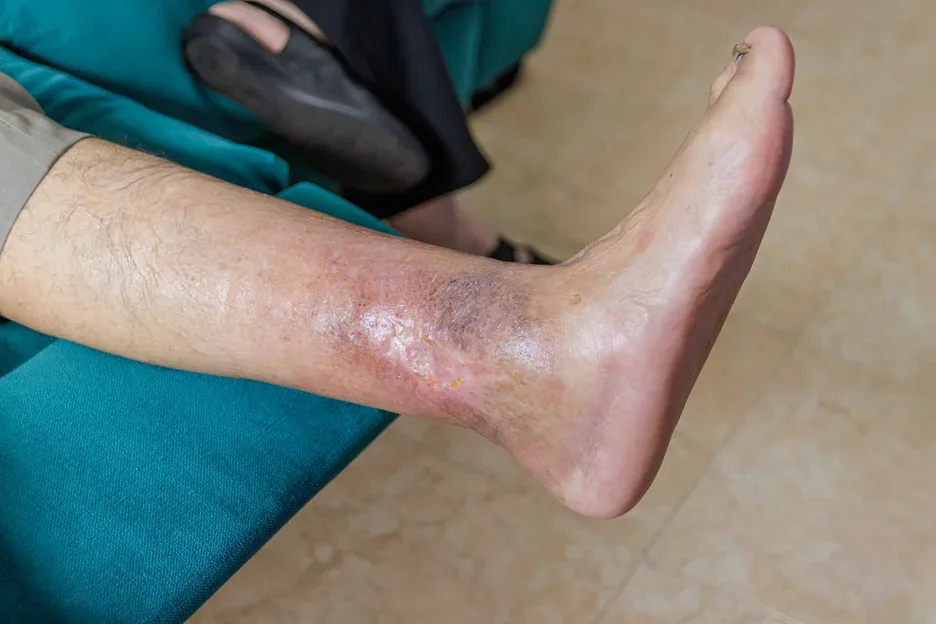
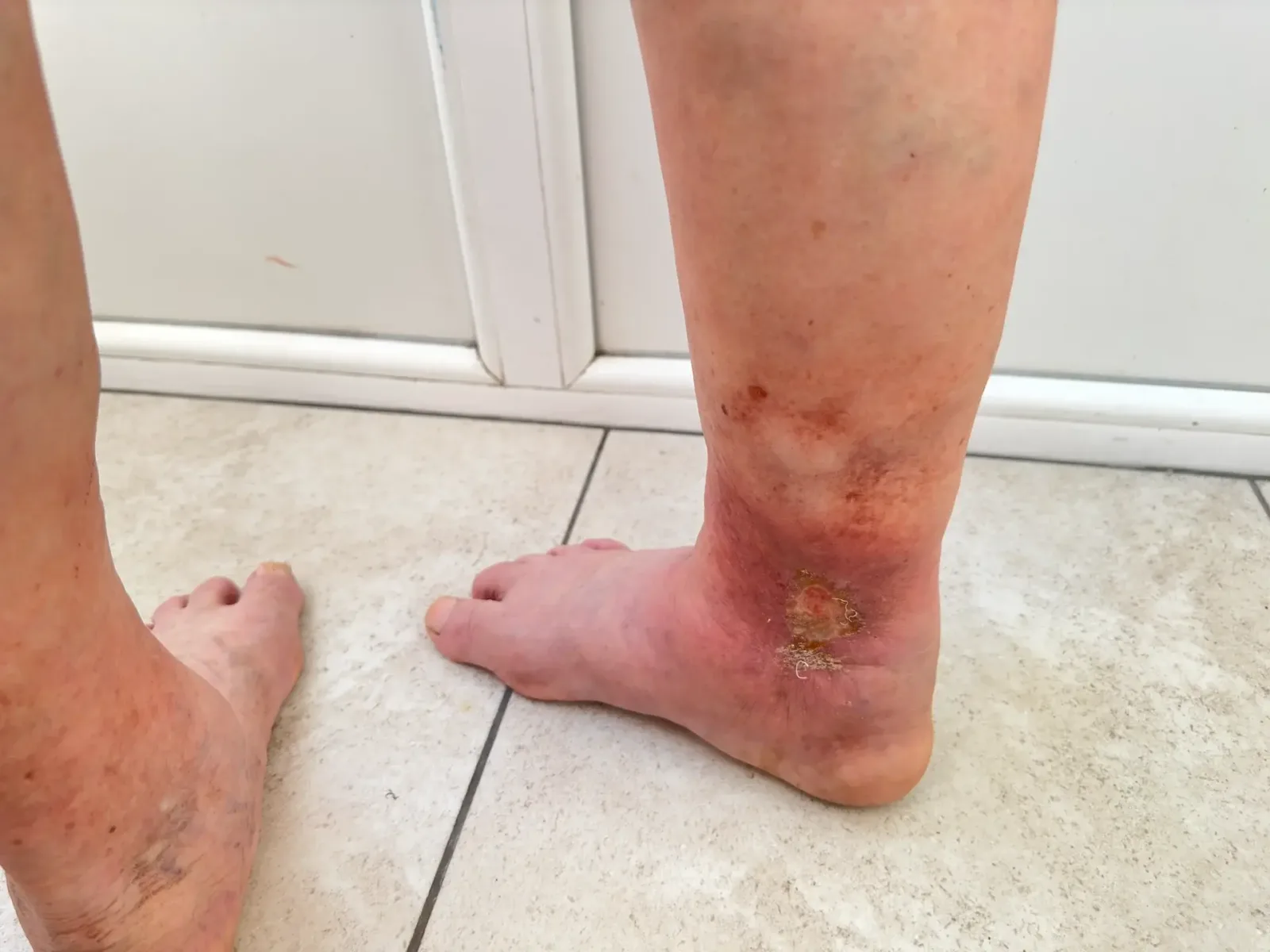
Venous ulcers are open wounds that typically develop on the lower legs and ankles, resulting from chronic venous insufficiency - a condition where blood doesn't flow properly through the leg veins back to the heart. For busy professionals commuting into Manhattan from Bergen County or residents in Westchester County who spend long hours sitting or standing, these circulatory issues can be particularly problematic.
These ulcers typically begin as small wounds but can quickly expand without proper treatment. They often appear as shallow, irregularly shaped sores with red bases, sometimes covered with yellow fibrous tissue. The surrounding skin may become discolored, hardened, or swollen which are all signs that the underlying vein issues need medical attention.
Why Venous Ulcers Are More Common in New Jersey and New York
Our regional lifestyle factors contribute significantly to vein health:
- Commuting culture: Many residents spend hours daily commuting between places like Clifton, NJ and New York City, leading to extended periods of sitting
- Four-season climate: Our hot, humid summers and cold winters can both impact circulation in different ways
- Urban walking on hard surfaces: Whether navigating Manhattan sidewalks or shopping at Garden State Plaza, prolonged walking on concrete can stress leg veins
The Connection Between Poor Circulation and Venous Ulcers
Poor circulation in the legs occurs when the veins struggle to pump blood effectively back to the heart. This is often caused by damaged valves within the veins, a condition called chronic venous insufficiency. When these valves fail, blood pools in the legs, creating pressure that can damage tissue over time.
The progression typically follows this path:
- Initial valve damage occurs (often from age, genetics, pregnancy, or prolonged sitting/standing)
- Blood begins pooling in the legs
- Varicose veins may develop as visible signs of the underlying issue
- Skin changes occur as nutrients and oxygen can't reach tissues effectively
- Venous ulcers form when the skin breaks down due to poor circulation
For many residents in areas like Ardsley, NY or Clifton, NJ, the first noticeable symptoms might be swelling, heaviness, or visible varicose veins. These early warning signs shouldn't be ignored, as they may indicate advancing venous disease that could eventually lead to ulceration.
Risk Factors Particularly Relevant to New Jersey and New York Residents
While venous ulcers can affect anyone, certain factors increase your risk:
- Occupations common in our metro area: Healthcare workers at facilities like Hackensack University Medical Center or teachers standing all day in classrooms across New York school districts
- Age: With our aging population in suburbs like Westchester County
- Previous leg injuries: Common in our active population that enjoys hiking in the Palisades or skiing in upstate New York
- History of blood clots: Which can be exacerbated by long-haul flights from Newark or JFK airports
- Family history of vein problems: Genetic factors play a significant role regardless of location
Treatment Options for Venous Ulcers and Poor Circulation Available Locally
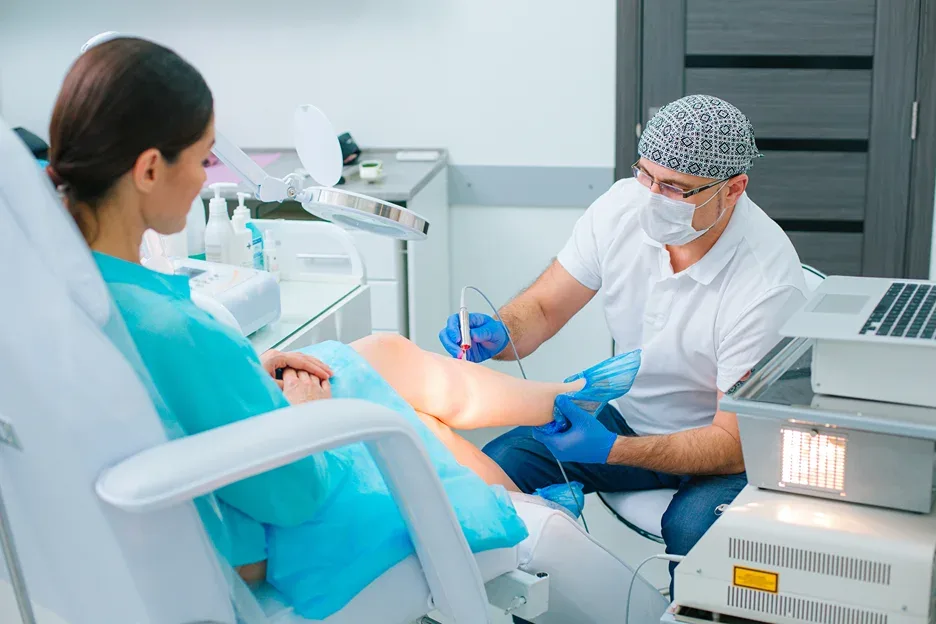
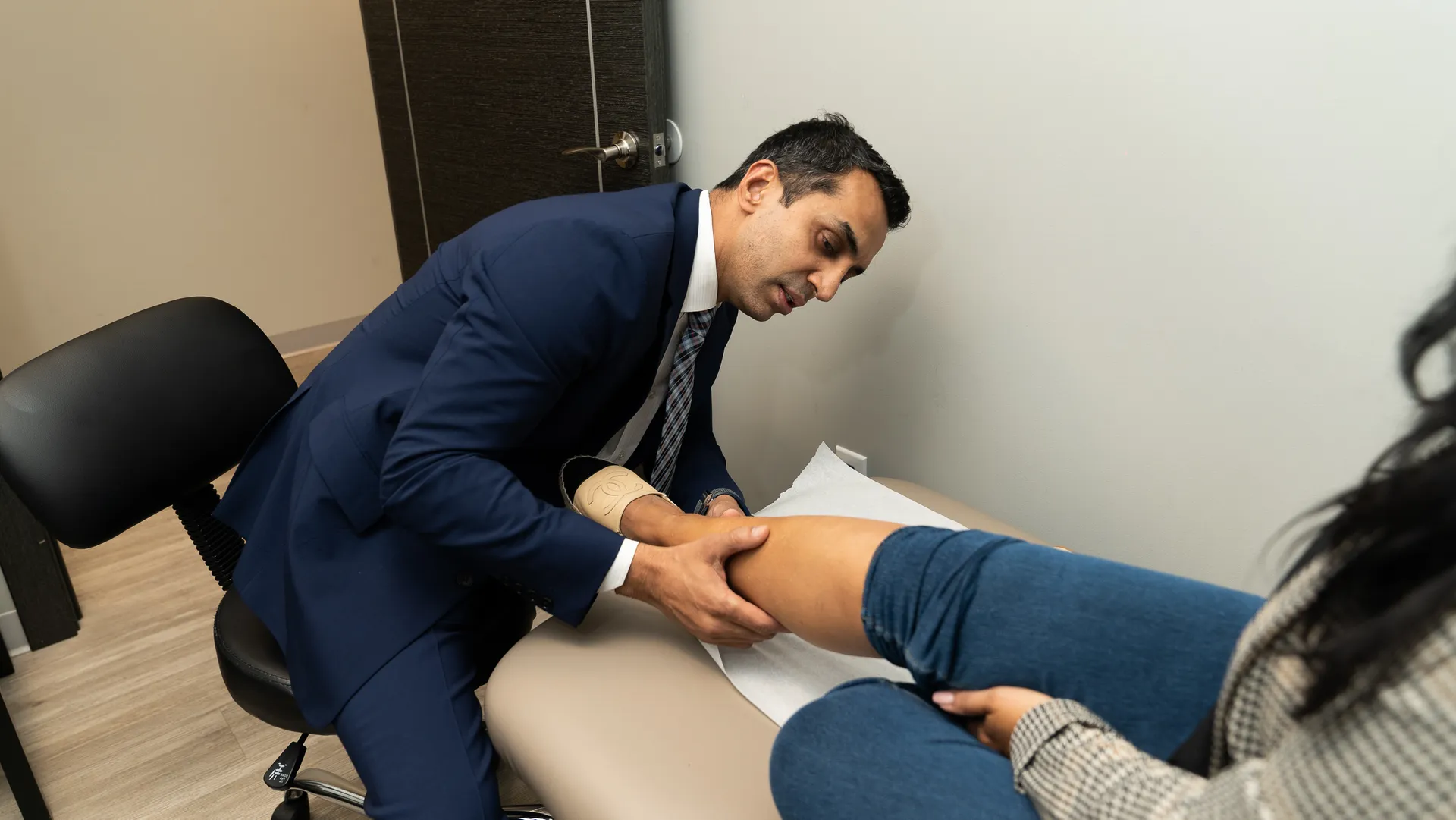
Treating venous ulcers effectively requires addressing both the wound itself and the underlying vein issues causing poor circulation. At Vein Center Doctor, Dr. Rahul Sood offers several state-of-the-art treatments specifically designed for residents of New Jersey and New York.
Comprehensive Treatment Approach
The most effective treatment plans typically involve multiple components:
1. Addressing the Ulcer Directly
The wound requires proper care and dressing to heal effectively. This is particularly important during our humid summer months when infection risk can increase.
2. Treating the Underlying Venous Insufficiency
Several minimally invasive procedures can effectively treat the vein issues causing poor circulation:
- Radiofrequency Ablation (RFA): Using targeted heat to close problematic veins, RFA for varicose veins is a quick, effective procedure performed at Vein Center Doctor. This procedure takes just 30-45 minutes and allows most patients to resume normal activities almost immediately, perfect for our region's busy professionals.
- VenaSeal: This innovative treatment uses a medical-grade adhesive to seal damaged veins. VenaSeal is particularly popular among New York patients who appreciate that it doesn't require wearing compression stockings afterward—a significant advantage during our hot and humid summers.
- Sclerotherapy: An excellent option for smaller varicose veins and spider veins, the Sclerotherapy injection treatment is frequently recommended for patients throughout Bergen County and Westchester County seeking both medical and cosmetic improvement.
3. Compression Therapy
Venous compression therapy plays a crucial role in managing poor circulation and preventing ulcer recurrence. While wearing compression garments might seem challenging during hot New Jersey summers, newer materials have made them more comfortable for year-round use.
Prevention Strategies for New Jersey and New York Lifestyles
Living in our region presents specific challenges for vein health. Consider these locally-relevant prevention strategies:
- For commuters: If you're traveling daily on NJ Transit or the Metro-North, try to stand and stretch regularly during your journey
- For office workers: Many Manhattan offices now offer standing desk options. Take advantage of these to vary your position throughout the day
- For seasonal considerations: During harsh New York winters, maintain indoor exercise routines at places like local YMCAs or fitness centers to keep circulation strong
- For weekend warriors: Whether you're hiking in the Ramapo Mountains or biking along the Hudson River, balance intense weekend activities with regular movement throughout the week
When to See a Local Vein Specialist
If you're experiencing any of these symptoms, it's time to consult a vein specialist:
- Persistent leg pain, heaviness, or fatigue
- Visible varicose veins that are painful or worsening
- Skin changes on your lower legs, such as discoloration or hardening
- Any open sores on your legs, especially near varicose veins
- Swelling that doesn't improve with elevation
For residents in New Jersey and New York, having access to specialized vein care is particularly important. At Vein Center Doctor, Dr. Sood provides comprehensive evaluation and treatment plans tailored to each patient's specific needs and lifestyle considerations.
Taking the Next Step Toward Healthier Legs
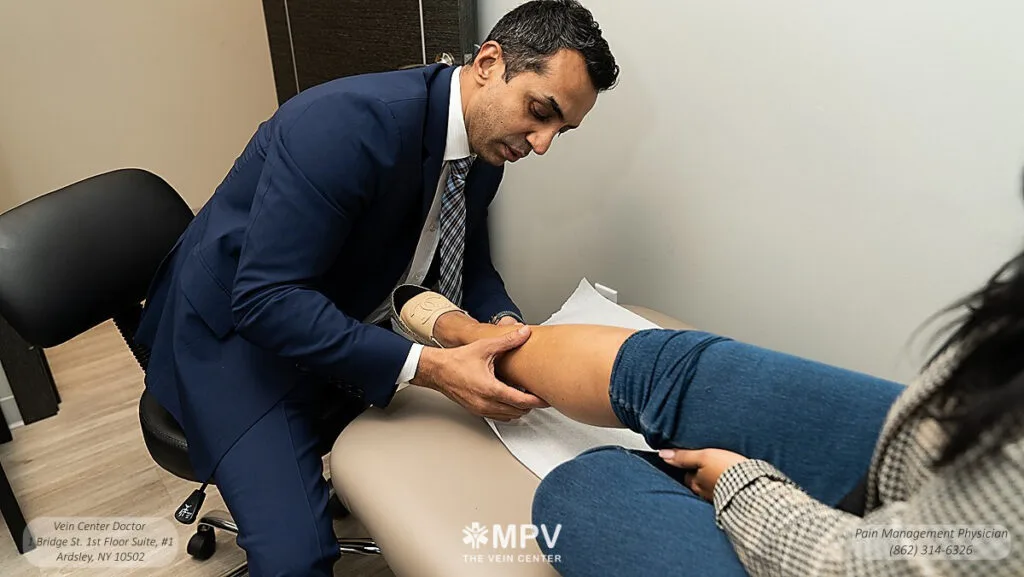
Venous ulcers and poor circulation don't have to limit your quality of life in the vibrant New Jersey and New York region. With early intervention and proper treatment, most patients can experience significant improvement in both symptoms and appearance.
If you're concerned about your vein health or are already experiencing symptoms of poor circulation, consider scheduling a free screening at Vein Center Doctor in Clifton, NJ or Ardsley, NY. Their specialized team understands the unique challenges our local lifestyle presents and offers personalized solutions to help you maintain active, pain-free legs throughout all four seasons in our beautiful region.
Don't let venous problems slow you down. Whether you're commuting through Penn Station, exploring the Palisades Mall, or simply enjoying time with family in your New Jersey or New York community, healthy veins contribute significantly to your overall quality of life.