Why Your Legs Feel Heavier in Cold Weather and How Clifton
Published 2026-01-29
You might step out of your home on a freezing Clifton morning, the wind whipping down Broad Street, and notice something unsettling. By the time you reach your office or finish your errands at the Clifton Commons, your legs feel like they are filled with wet cement. This sensation isn't just the "winter blues" or holiday fatigue; it is a physiological response to the plummeting temperatures in Northern New Jersey. While many people associate vein issues with the swelling of summer heat, the sub-freezing temperatures of January create a "perfect storm" for those living with underlying circulatory conditions.
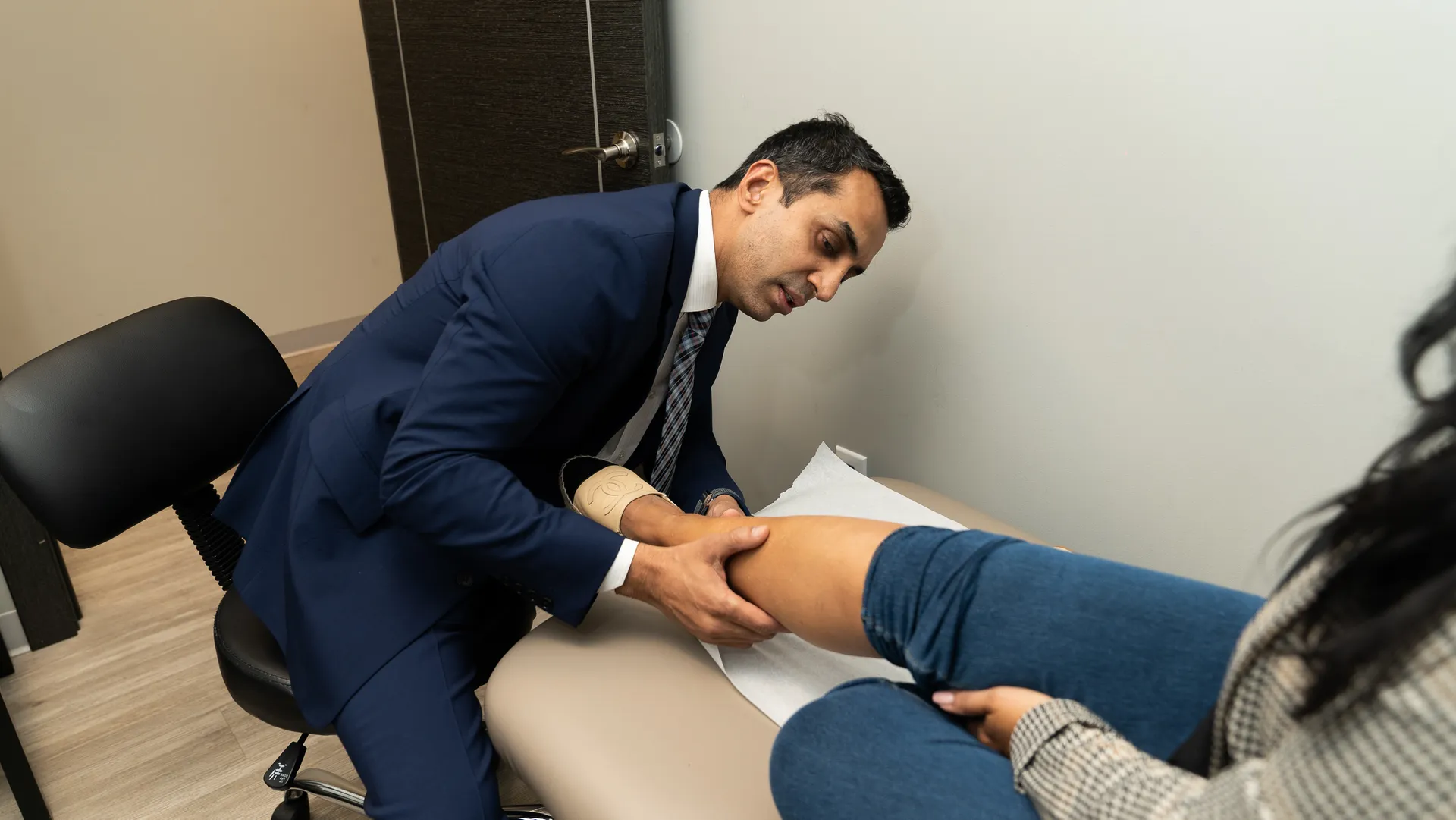
At Vein Center Doctor, we understand that New Jersey residents face unique environmental challenges. Our team, led by triple board-certified physician Dr. Rahul Sood, specializes in identifying why your vascular system struggles when the thermometer drops.
What is Chronic Venous Insufficiency (CVI)?
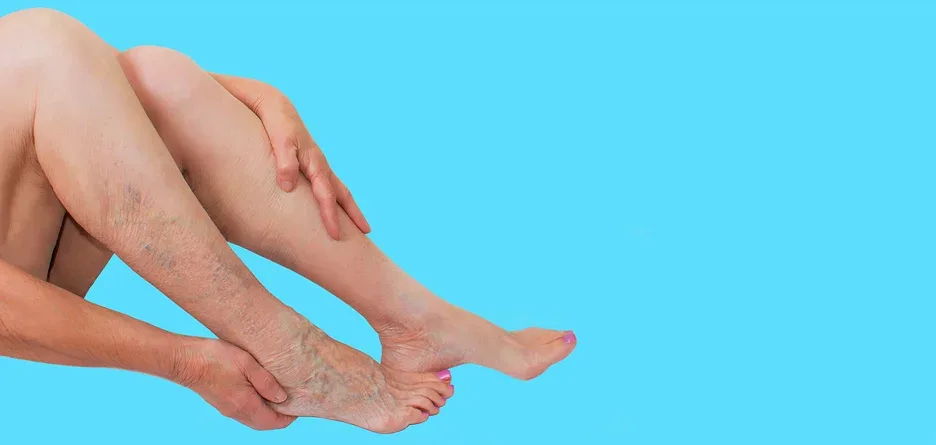
Chronic Venous Insufficiency (CVI) is a progressive vascular condition that occurs when the internal valves of the leg veins fail to pump blood efficiently back to the heart. This malfunction leads to venous reflux, where blood pools in the lower extremities, causing pressure, skin changes, and a persistent sensation of heaviness. Left untreated, CVI can result in painful varicose veins, leg ulcers, and permanent tissue damage, requiring advanced endovascular intervention to restore healthy circulation.
The "Perfect Storm": How Northern NJ Winters Exacerbate CVI
Stop letting the winter chill dictate your mobility. Cold weather triggers vasoconstriction, a process where your body narrows blood vessels to preserve core heat. While this is a natural survival mechanism, it forces your already-compromised veins to work against significantly higher internal pressure.
Our diagnostic protocols at the Clifton office look specifically at how this narrowing impacts your Great Saphenous Vein. The cold-induced constriction increases vascular resistance. This elevated resistance then places additional strain on your weakened venous valves. When these valves fail to withstand the pressure, blood begins to pool in the deep and superficial venous systems. This accumulation of fluid creates the "heavy" sensation you feel while walking through the snow at Main Memorial Park.
The Role of the Calf Muscle Pump
In the winter, Clifton residents tend to be less active, which means this "second heart" isn't assisting your circulation as effectively as it does during the warmer months.
- Vasoconstriction: The narrowing of vessels that increases blood viscosity and pressure.
- Venous Reflux: The backward flow of blood that signals valve failure.
- Endothelium: The thin membrane lining your blood vessels that can become inflamed during winter flares.
- CEAP Classification: The clinical scale Dr. Sood uses to determine the severity of your vein disease.
Comparing Your Options: RFA vs. Compression Therapy
If you are tired of the daily ache, it is important to understand the difference between managing symptoms and fixing the root cause. We utilize Radiofrequency Ablation (RFA) to provide long-term relief for patients who have failed conservative treatments like stockings.
Feature
Radiofrequency Ablation (RFA)
Venous Compression Therapy
Primary Goal
Permanent vein closure
Temporary symptom management
Mechanism
Thermal energy (Heat)
External pressure
Procedure Time
~45 minutes in-office
Daily ongoing use
Bursty Entity
Tumescent anesthesia
Gradient pressure
Recovery
Immediate walk-out
N/A
Precision Treatment: Why the "Wait and See" Approach Fails
Even if you have tried over-the-counter creams or generic socks, your legs may still feel heavy because the underlying venous reflux remains unaddressed. Vein Center Doctor utilizes advanced ultrasound mapping to see exactly where your circulation is failing.
We perform Radiofrequency Ablation, a minimally invasive procedure where a small catheter delivers heat to the vein wall. This thermal energy causes the collagen in the vein to contract and seal shut. Once the diseased vein is closed, your body naturally redirects blood flow to healthier, more efficient vessels. This process restores healthy circulation. Improved circulation then reduces the inflammatory markers in your lower legs, finally lifting the "wet cement" feeling that has plagued your winter months.
Understanding "Ablation"
When we discuss ablation, we are referring to a sophisticated thermal technique that "shuts down" a malfunctioning vein so it can be absorbed by your body. We use tumescent anesthesia, a specialized numbing fluid, to ensure you remain completely comfortable throughout the short procedure at our Mount Prospect Avenue clinic.
A Solution for Heavy Legs in Clifton
Finally, a vein specialist who understands the specific vascular burdens of the New Jersey climate. You don't have to wait for the spring thaw to feel light on your feet again. Even if other treatments have left you disappointed, our evidence-based protocols offer a path to relief without the need for invasive surgery or hospital stays.
Dr. Rahul Sood offers free vein screenings at our Clifton office to help you identify CVI before it progresses. Getting evaluated in January means you will be fully recovered and ready for your spring wardrobe long before the first blossoms appear at the New Jersey Botanical Garden.
Vein Center Doctor offers Radiofrequency Ablation to permanently eliminate leg heaviness. Stop settling for "winter fatigue" and start investing in your vascular health today.