Spider Veins and Petechiae: Understanding the Spots on Your
Published 2025-09-23
Noticing new spots or marks on your skin can be unsettling. You might wonder what they are, what caused them, and if you should be concerned. Two common types of skin spots that often cause confusion are petechiae and spider veins. While both can appear as red marks on the body, they stem from very different causes and have vastly different implications for your health.
Understanding the distinction is crucial. One may be a simple cosmetic issue, while the other can be a sign of a serious condition that requires immediate medical attention. This guide will walk you through the key differences between petechiae and spider veins, exploring their appearance, causes, and when it's essential to see a doctor.
What Are Petechiae? A Closer Look at Pinpoint Red Dots
At first glance, you might mistake petechiae for a simple rash. However, they are fundamentally different. Knowing how to identify them is the first step in understanding their significance.
Defining Petechiae: More Than Just a Rash
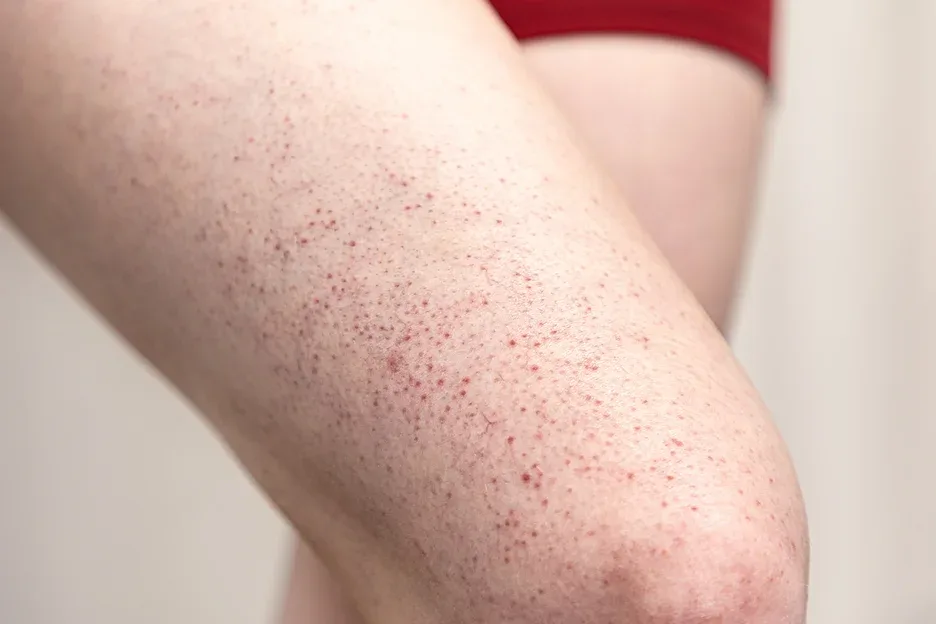
Petechiae are tiny, pinpoint-sized spots that appear on the skin. They are typically flat to the touch and measure less than 4 millimeters in diameter. Their color can range from red and purple to brown, especially on darker skin tones. These spots are actually the result of minor bleeding under the skin from broken capillaries (the smallest blood vessels in the body).
A key feature that distinguishes petechiae from a typical rash is that they do not blanch—meaning, they don't fade or lose color when you press on them. You may see them form in small clusters on an area like the legs, arms, stomach, or buttocks. They can even develop inside the mouth or on the eyelids.
What Causes Petechiae? From Minor Strain to Serious Conditions
The core cause of petechiae is damage to tiny blood vessels, which causes bleeding just beneath the skin's surface. This can happen for a wide range of reasons, from harmless physical strain to serious underlying medical conditions.
Common, Non-Urgent Causes:
Minor physical trauma or strain is a frequent culprit. Activities that dramatically increase pressure in the head and neck can cause facial petechiae. These activities include:
- Intense, prolonged coughing
- Vomiting
- Straining during childbirth
- Lifting very heavy weights
In these cases, the spots are generally harmless and will usually disappear on their own within a few days.
Serious Underlying Medical Conditions:
However, petechiae often appear as a symptom of a more significant health issue that requires a diagnosis and treatment. Because they signal that bleeding is occurring, they can be a red flag for a variety of disorders.
Some of the most common and serious causes include:
- Infections: Both viral infections (like mononucleosis, influenza, and cytomegalovirus) and bacterial infections (such as strep throat, meningitis, and sepsis) can lead to petechiae. The presence of a fever alongside the spots is a critical warning sign.
- Blood and Bleeding Disorders: Conditions that affect blood clotting are a major cause. This includes thrombocytopenia (a low platelet count), leukemia (a type of blood cancer), and other bleeding disorders like Von Willebrand disease. Platelets are cells that help blood clot, and when their number is low, even minor vessel damage can result in bleeding.
- Inflammatory and Autoimmune Conditions: Diseases that cause inflammation of the blood vessels (vasculitis) can trigger petechiae. Lupus and Henoch-Schönlein purpura are two examples.
- Vitamin Deficiencies: A lack of Vitamin C (scurvy) or Vitamin K can impair the body's ability to maintain strong capillaries and properly clot blood.
- Medications: Certain medications, including some antibiotics and antidepressants, are known to cause petechiae as a side effect.
Understanding Spider Veins (Telangiectasias)
While also visible on the skin, spider veins tell a very different story. They are a vascular issue, not a bleeding disorder, and they tend to develop over a long time.
What Do Spider Veins Look Like?
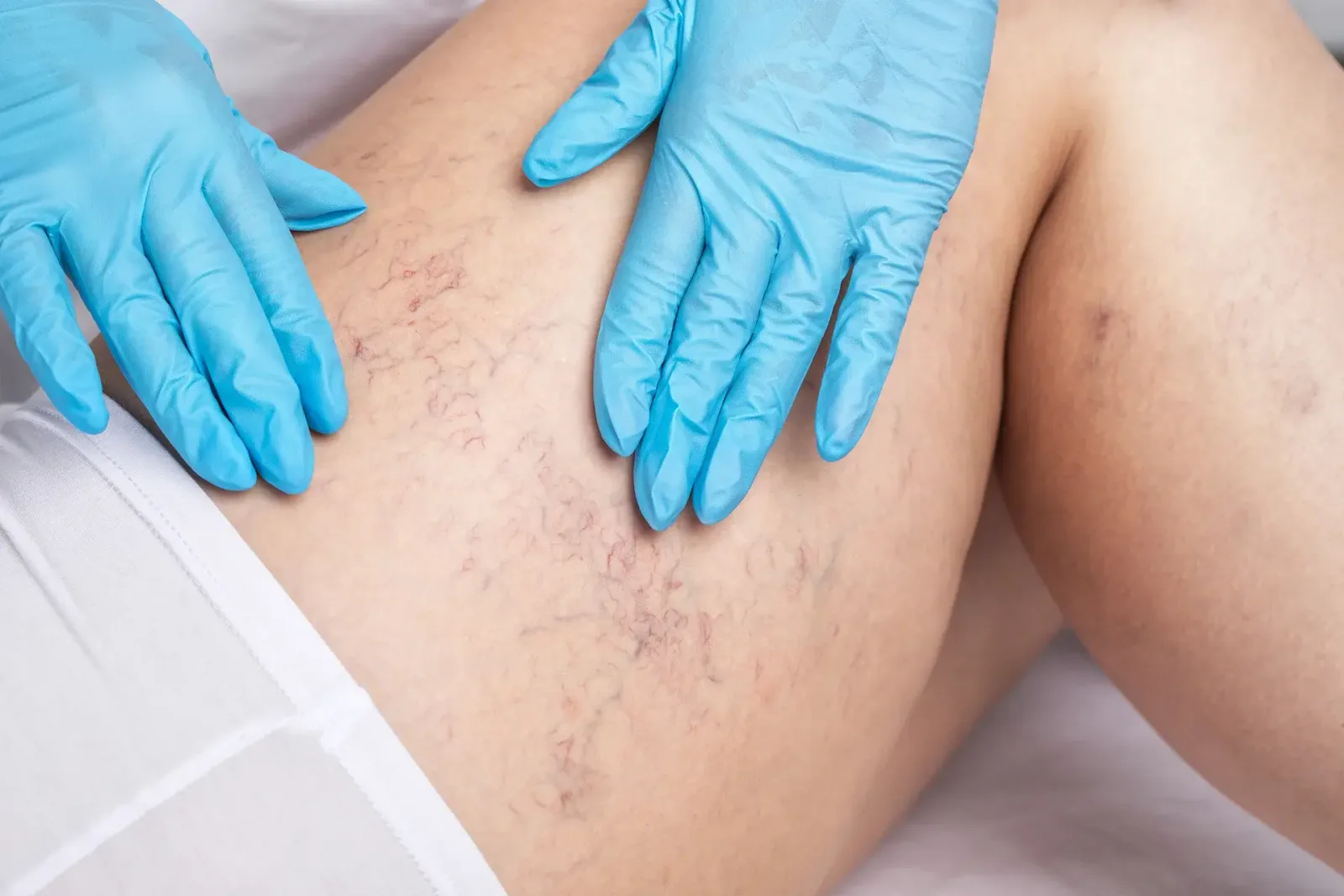
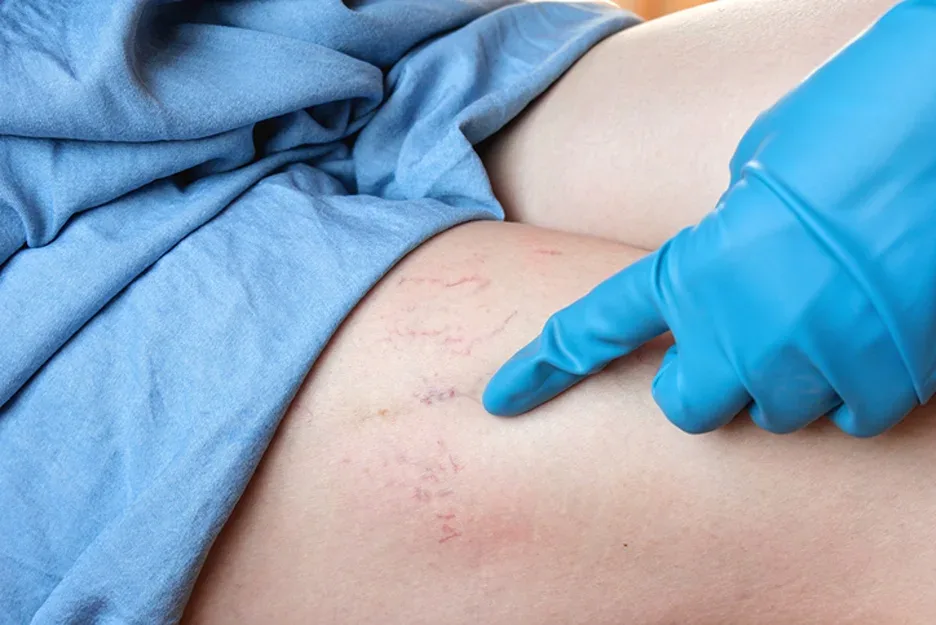
Spider veins, medically known as telangiectasias, are small, damaged vessels visible just below the skin's surface. They are not spots but rather fine lines that look like a spider's web or tree branches, which is where they get their name. They can be red, blue, or purple.
Unlike petechiae, which are flat, spider veins can sometimes be slightly raised, but they typically aren't. They most commonly appear on the legs and face. While they can be a cosmetic concern for many people, they can also be an early indicator of an underlying vein health problem.
The Root Causes of Spider Veins
Spider veins form when the one-way valves inside larger veins weaken or fail. These valves are supposed to push blood back toward the heart. When they don't work correctly, blood can flow backward and pool, increasing pressure in the veins. This pressure forces the expansion of nearby smaller blood vessels, creating the visible spider veins.
Several factors can increase your risk of developing spider veins:
- Heredity: A family history of spider or varicose veins is a primary risk factor.
- Age: As we age, vein walls and valves naturally weaken.
- Hormonal Changes: Pregnancy, menopause, and the use of birth control pills can influence vein health.
- Prolonged Standing or Sitting: Occupations or lifestyles that involve long periods of inactivity reduce the calf muscle's ability to pump blood, causing it to pool in the legs.
- Obesity: Excess weight puts additional pressure on leg veins.
- Sun Exposure: UV radiation can damage the skin and superficial blood vessels, particularly on the face.
In many instances, spider veins are a sign of chronic venous insufficiency, a progressive condition that can lead to more severe symptoms like swelling, skin discoloration, and leg ulcers if left untreated.
Petechiae vs. Spider Veins: A Head-to-Head Comparison
To make the distinction clear, here is a direct comparison of their defining features. Understanding these differences is key to recognizing what's happening on your skin and determining the appropriate next steps.
Feature
Petechiae
Spider Veins
Appearance
Tiny, flat, pinpoint red, purple, or brown spots
Fine, web-like or branch-like lines of red, blue, or purple color
Underlying Cause
Bleeding from broken capillaries
Dilated or swollen small blood vessels from blood pooling
Blanching Test
Does not lose color when pressed
Typically blanches or fades when pressed
Common Locations
Legs, arms, stomach, face, inside the mouth
Most common on the legs and face
Associated Symptoms
May be accompanied by fever, fatigue, or easy bruising if a serious condition is present
Usually asymptomatic, but can sometimes be linked to aching or burning in the legs
Medical Implication
Can be a sign of a serious underlying medical condition needing urgent diagnosis and treatment
Primarily a cosmetic concern, but can be an early symptom of chronic venous disease
The most critical takeaway is the mechanism: petechiae are caused by bleeding, while spider veins are caused by dilated vessels. This fundamental difference is why their medical significance varies so greatly.
When to See a Doctor: Making the Right Health Decision
Deciding to seek medical care can be confusing, but for these two conditions, the guidelines are quite clear.
For Petechiae: Don't Wait
Because petechiae can signal a serious underlying condition, you should never ignore them. It is crucial to seek medical attention from a health care provider promptly. This is especially true if the spots appear suddenly, spread rapidly, or are accompanied by other symptoms, such as:
- A fever
- Unexplained bruising
- Bleeding gums
- Extreme fatigue or pain
A doctor will perform a physical exam and likely order blood tests to check your platelet count and look for signs of infection or other disorders. Early diagnosis and treatment of the underlying cause are essential to prevent complications.
For Spider Veins: A Proactive Approach
While spider veins are not a medical emergency, you shouldn't dismiss them either. Consulting a vein specialist is a wise, proactive step. An evaluation can help determine if your spider veins are a simple cosmetic issue or a sign of chronic venous insufficiency.
A specialist can perform an ultrasound to assess the blood flow in your veins and recommend the best course of action. Treatment options like sclerotherapy and laser therapy are highly effective at removing spider veins, improving your skin's appearance, and preventing the progression of vein disease.
Your Skin Is Telling a Story
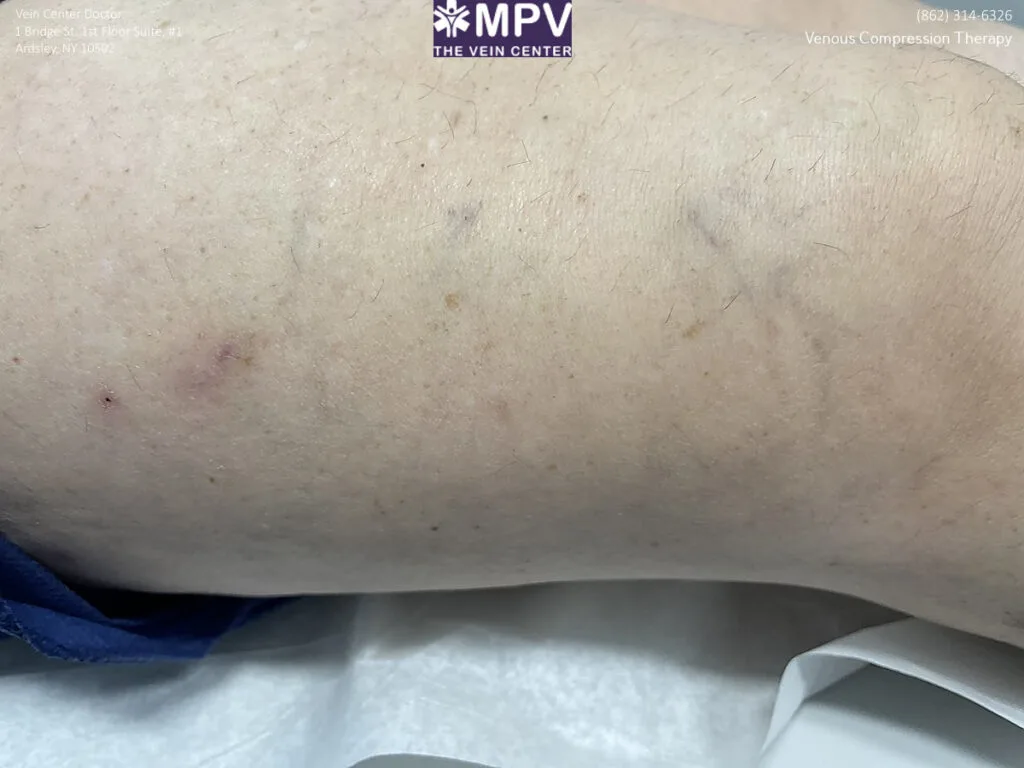
Every mark on your skin tells a story about your body and your health. While they may both appear as red spots, petechiae and spider veins narrate two very different tales. Petechiae speak of bleeding and potential underlying systemic issues, while spider veins speak of vascular pressure and circulation.
Knowing how to distinguish them is the first and most important step toward taking control of your health. If you are concerned about new spots on your skin, especially if they resemble the web-like pattern of spider veins, don't hesitate.
Contact a specialist at Vein Center Doctor today for a comprehensive evaluation. We are here to provide an accurate diagnosis, discuss your treatment options, and give you the peace of mind you deserve.