Post-Thrombotic Syndrome: Your Guide to Long-Term Life
Published 2025-10-27
Post-Thrombotic Syndrome (PTS) is a chronic DVT complication that is managed by wearing compression stockings, elevating the leg, and exercising regularly to control persistent pain, swelling, and skin changes caused by vein damage.
You've successfully navigated the initial hurdles of a Deep Vein Thrombosis (DVT). But months later, you might find yourself wondering why your leg still doesn't feel quite right.
Is this just part of the healing process, or is something else going on?
A Deep Vein Thrombosis (DVT) is a blood clot in a deep vein, usually in the leg. Here’s what you need to know: Post-Thrombotic Syndrome (PTS) is a common long-term issue after a DVT, affecting 20% to 50% of DVT patients within two years. This is a significant issue, and understanding it helps you take charge of your health.
This guide will explain Post-Thrombotic Syndrome, how to recognize its subtle symptoms, and the factors that can increase your risk. We’ll also cover the best ways to prevent it and manage it long-term.
What is Post-Thrombotic Syndrome (PTS)? The Aftermath of a Blood Clot
PTS, or post‑phlebitic syndrome, is the long‑term fallout from damage caused by a deep‑vein thrombosis (DVT). A clot can tear or weaken the valves that normally keep blood flowing toward the heart. When those valves fail, pressure builds inside the veins—venous hypertension.
Blood backs up, pools in the lower leg, and the heightened pressure takes a toll on the vessels, setting the stage for PTS. Even after the clot dissolves, lingering debris can block a vein and raise pressure even further. Symptoms rarely show up right away; most people notice them three to six months after a DVT, but they can begin years later, making the condition easy to miss.
Recognizing the Signs: Are Your Symptoms DVT or PTS?
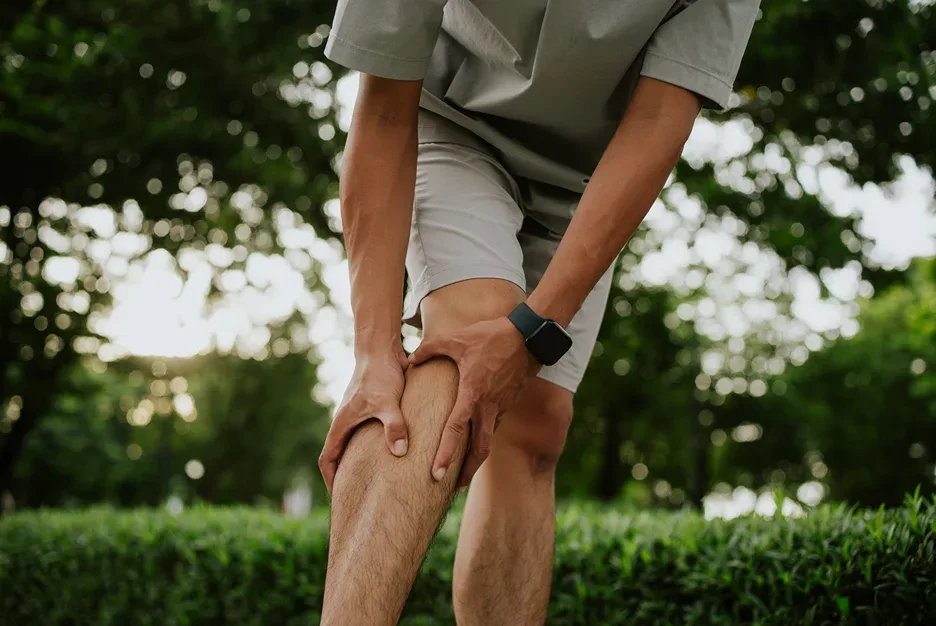
PTS symptoms manifest in the same limb affected by the DVT and can range from barely noticeable to severely debilitating. They often worsen after prolonged periods of standing or walking, as gravity exacerbates the pressure in the veins.
Let's break down the common symptoms into two categories: what you feel and what you can see.
Common Symptoms (Subjective Feelings):
- Chronic pain: This can manifest as a persistent aching or cramping sensation.
- A persistent feeling of heaviness or fatigue in the limb: Your leg might feel like it's carrying extra weight, even when you're resting.
- Itching or tingling sensations (paresthesia): You might experience unexplained itching or a pins-and-needles feeling in the affected leg.
Common Signs (Visible Changes):
- Persistent swelling (edema): This is one of the most common and noticeable signs of PTS.
- Skin discoloration: You might observe redness or a brownish tint developing on the skin.
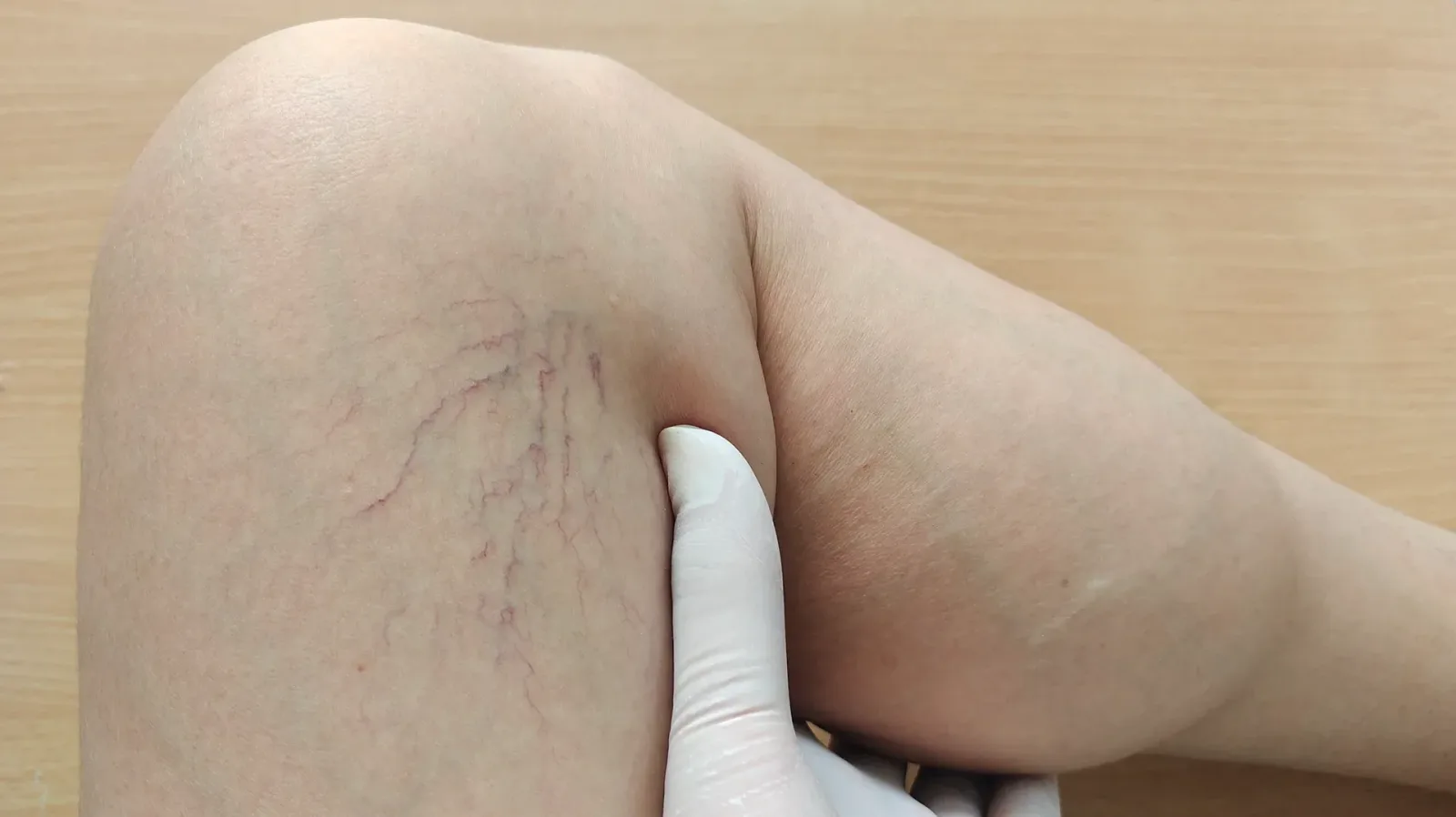
- Development of new varicose veins or spider veins: These are often a sign of increased pressure in the veins.
- Skin texture changes (thickening, dryness, hardening - lipodermatosclerosis): The skin on your lower leg might become thicker, drier, and feel harder to the touch.
In severe cases of PTS, the consequences can be dire. Venous ulcers, open sores that develop due to poor circulation, can occur in 5-10% of cases. These ulcers can be incredibly painful, difficult to heal, and significantly impact your quality of life.
Are You at Risk? Key Factors for Developing PTS
While anyone who has experienced a DVT can potentially develop PTS, certain factors can significantly increase your risk. It's essential to be aware of these so you can take proactive steps to mitigate them where possible.
- Location & Severity of DVT: Proximal DVTs, those located above the knee, particularly in the iliac or femoral veins, pose a greater risk of PTS. The higher up the clot is, the more vein damage it can cause.
- Recurrent DVT: If you've had another DVT in the same leg, your risk of PTS skyrockets. Each DVT event further damages the veins and increases the likelihood of chronic problems.
- Persistent Symptoms: If you're still experiencing pain and swelling a month after your initial DVT diagnosis, it's a red flag. It could indicate more significant vein damage and a higher risk of developing PTS.
- Obesity: A higher Body Mass Index (BMI) is consistently linked to an increased risk of PTS. Excess weight puts additional strain on the veins in your legs, exacerbating the damage caused by the DVT.
- Older Age: Being over 65 is another risk factor. As we age, our veins naturally become less elastic and more prone to damage.
- Quality of Anticoagulation: If your blood thinner levels weren't adequately controlled during the first three months of DVT treatment (e.g., a low INR with warfarin), you're at a higher risk. Suboptimal anticoagulation can lead to further clot formation and vein damage.
Diagnosis and Management: Taking Control of PTS
How is Post-Thrombotic Syndrome Diagnosed?
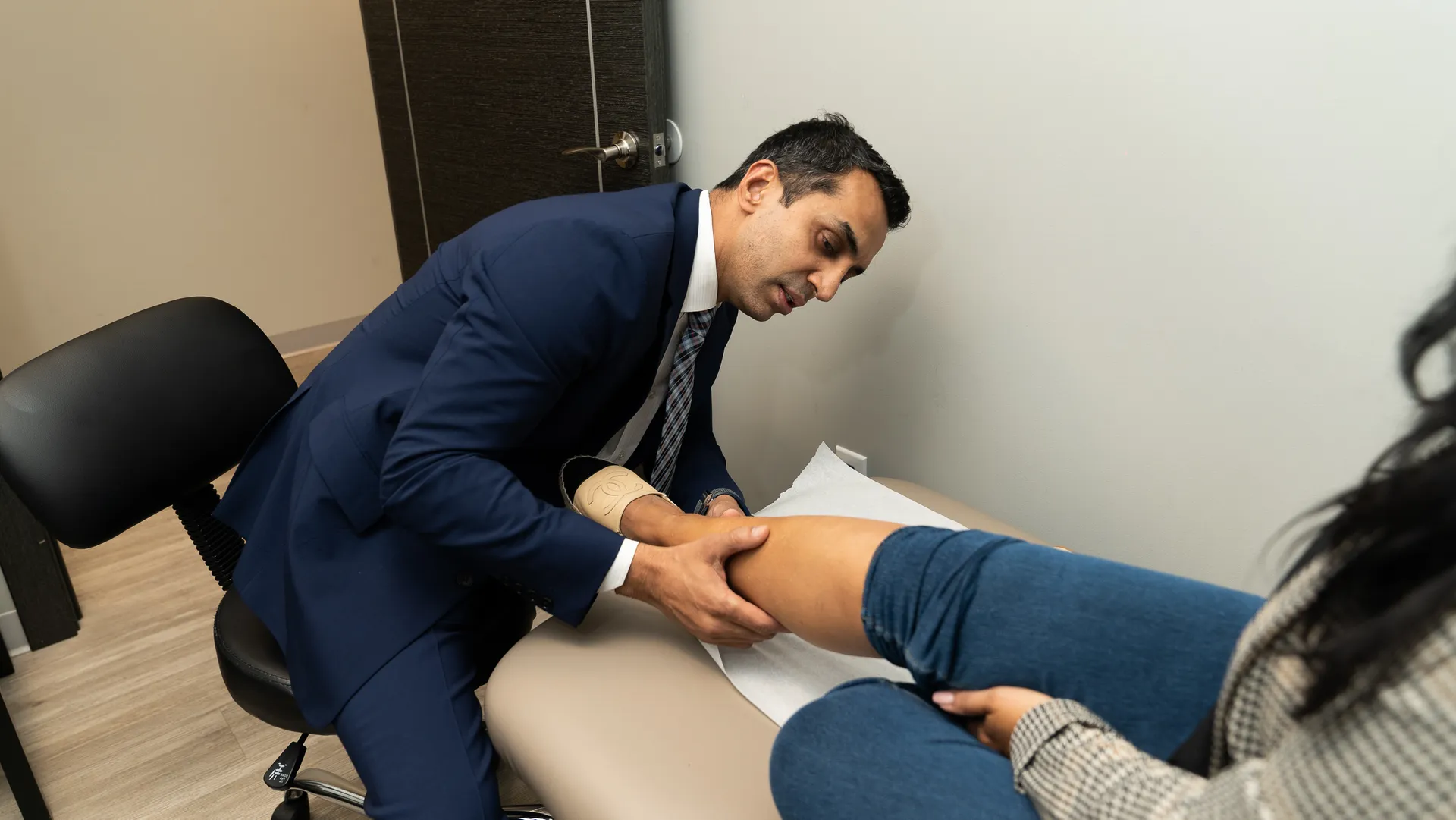
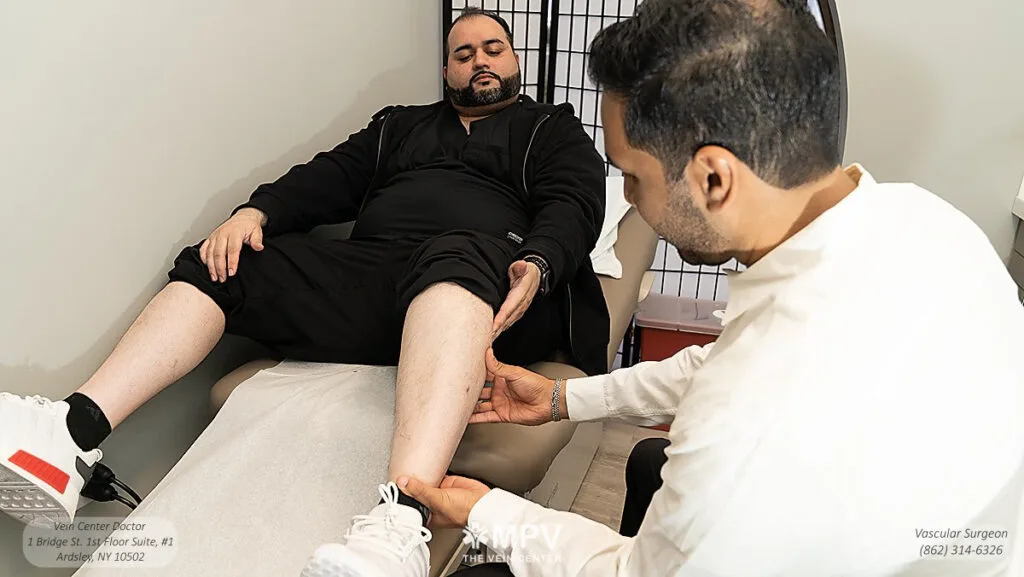
The diagnosis of PTS is primarily based on your medical history (specifically, a previous DVT) and a thorough physical examination. Your doctor will carefully assess your symptoms and look for the telltale signs of PTS.
The Villalta Scale is the standard clinical tool that doctors use to diagnose and grade the severity of PTS. It's a questionnaire and examination that assesses various symptoms and signs to provide a standardized score.
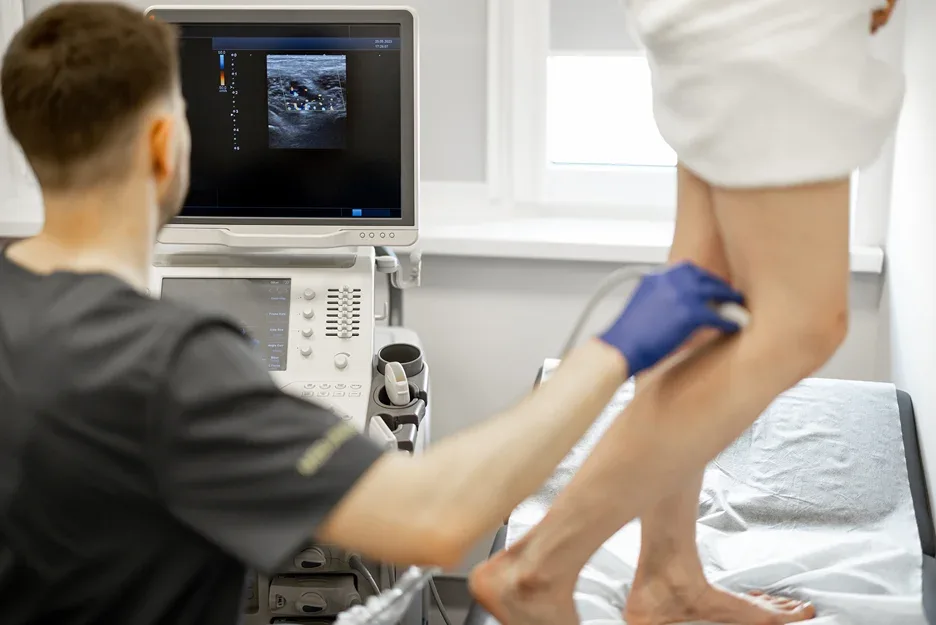
While an ultrasound may be used to evaluate blood flow and check for valve damage or residual blockages, it's not the primary diagnostic method for PTS. The focus is on the clinical picture presented by your symptoms and physical examination.
The Cornerstone of Care: Daily Management and Lifestyle Adjustments
Compression therapy is the mainstay of PTS treatment. Prescription-grade elastic compression stockings (ECS) are designed to provide graduated compression, meaning they are tighter at the ankle and gradually looser as they go up the leg. This external pressure helps to counteract the venous hypertension caused by damaged valves, improving blood flow and reducing swelling.
Your doctor will prescribe the appropriate pressure level for your stockings, typically 20-30 mmHg or 30-40 mmHg. Proper fitting is crucial to ensure the stockings are effective and comfortable. It's also important to replace them regularly as they lose their elasticity over time.
Beyond compression, lifestyle changes can significantly impact symptom relief:
- Exercise: Regular, low-impact exercise like walking and ankle-flexing strengthens calf muscles, which act as a natural pump to improve circulation.
- Leg Elevation: Elevating your affected leg above your heart several times a day, especially during rest, helps to reduce swelling by promoting venous return.
- Weight Management: Maintaining a healthy weight reduces the strain on your veins and can alleviate PTS symptoms.
- Skin Care: Daily moisturizing is essential to prevent dryness, cracking, and ulcers. Choose a fragrance-free, hypoallergenic moisturizer to avoid irritation.
When Lifestyle Isn't Enough: Medical and Interventional Options
For some, lifestyle adjustments and compression therapy provide sufficient relief. However, when symptoms persist or worsen, medical interventions may be necessary.
Medications like venoactive drugs (e.g., rutosides) can help improve vein function and reduce inflammation. For venous ulcers, medications like pentoxifylline can promote healing.
In severe, debilitating cases of PTS with confirmed blockages, endovascular procedures like angioplasty and stenting may be considered. These procedures aim to open up blocked veins and restore blood flow. The ongoing C-TRACT trial is currently studying the effectiveness of these procedures for moderate-to-severe PTS, and the results could provide valuable insights.
The Best Defense: Strategies to Prevent PTS After a DVT
The most effective way to combat PTS is to prevent it from developing in the first place. Optimal treatment of the initial DVT and preventing recurrence are paramount.
Effective anticoagulation is the cornerstone of PTS prevention. Studies suggest that Direct Oral Anticoagulants (DOACs) may be more effective at reducing PTS risk than traditional warfarin.
The use of compression stockings for prevention has been a topic of debate. The SOX trial found no significant benefit for routine use in all DVT patients. However, guidelines still suggest that they can be useful for managing acute swelling after a DVT.
Catheter-Directed Thrombolysis (CDT), a procedure where clot-busting drugs are delivered directly to the clot via a catheter, is another option. The landmark ATTRACT trial found that CDT did not prevent PTS overall but did reduce the severity in some cases, albeit with an increased risk of bleeding. It's typically reserved for select patients with extensive clots.
Conclusion
Post-Thrombotic Syndrome is a common chronic complication of DVT characterized by venous insufficiency and resulting symptoms such as persistent pain, swelling, skin changes, and potential ulceration.
While there is no cure for PTS, a combination of compression therapy, exercise, and lifestyle changes can significantly control symptoms and improve quality of life.
If you've had a DVT and are experiencing persistent leg symptoms, I urge you to speak with your healthcare provider or a vascular specialist to discuss your risk and create a comprehensive management plan. Together, you can take control and live a full, active life.
FAQ About Post-Thrombotic Syndrome
Does Post-Thrombotic Syndrome ever go away?
PTS is a chronic (lifelong) condition. While treatment can significantly minimize symptoms and improve quality of life, the underlying vein damage is permanent, and the limb may not return to its pre-DVT state.
How can I tell if my leg pain is a new DVT or just my PTS?
This can be difficult to distinguish and is a common concern. A sudden, sharp increase in pain, swelling, or redness that is different from your usual PTS symptoms warrants an immediate call to your doctor to rule out a recurrent DVT.
Is it safe to exercise with Post-Thrombotic Syndrome?
Yes, in fact, it's highly recommended. Low-impact exercises like walking, swimming, and cycling help strengthen the calf muscle pump, which improves blood circulation in the legs and can reduce symptoms. Always consult your doctor before starting a new exercise program.