Portal Hypertension and Esophageal Varices: Vein Conditions
Published 2025-11-26

How Liver-Related Vein Disorders Connect to Overall Vascular Health
While most residents of Clifton, New Jersey and Ardsley, New York may be familiar with common vein issues like varicose veins and spider veins, fewer understand the connection between liver health and certain serious vein conditions.
Portal hypertension and esophageal varices represent critical vascular conditions that, while different from the typical venous problems in your legs, share important underlying mechanisms with other vein disorders. At Vein Center Doctor, we believe in comprehensive vein health education for our local communities.
What Are Portal Hypertension and Esophageal Varices?
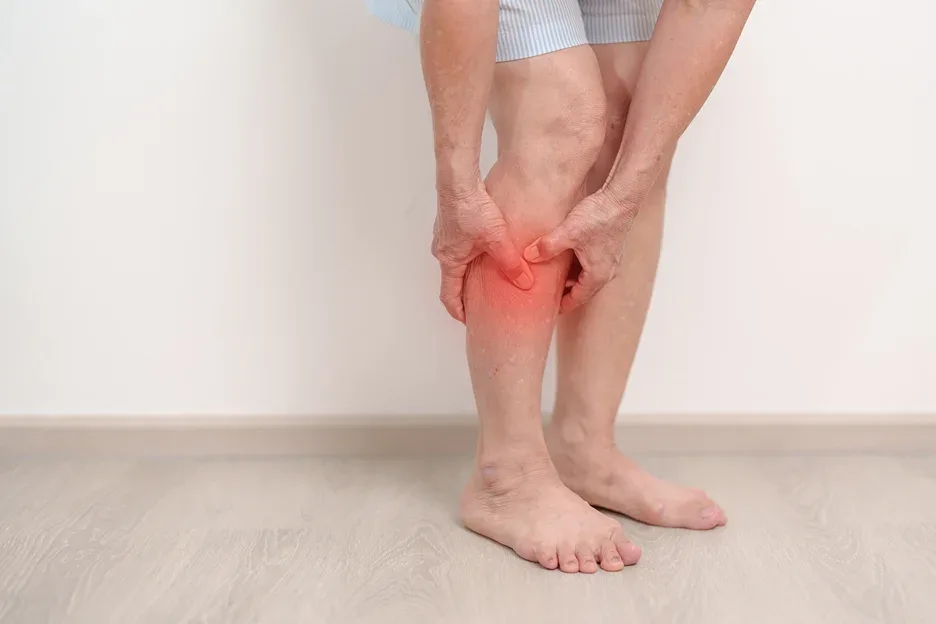
Portal hypertension occurs when blood pressure increases in the portal venous system, the network of veins that carries blood from the digestive organs to the liver. This increased pressure is most commonly caused by liver cirrhosis, which creates resistance to blood flow through the liver.
When this pressure becomes too high, the blood seeks alternative routes to return to the heart, often through smaller, less robust veins. These veins can become enlarged and swollen, similar to how varicose veins develop in the legs. When these enlarged veins form in the esophagus or stomach, they're called esophageal varices or gastric varices respectively.
How Portal Hypertension Relates to Other Vein Conditions
The underlying mechanism that causes esophageal varices shares similarities with the venous insufficiency that leads to varicose veins in the legs. Both conditions involve:
- Increased pressure in the venous system
- Weakening of vein walls due to excessive pressure
- Blood pooling in areas where it shouldn't
- Risk of bleeding if the weakened veins rupture
For residents of Clifton and Ardsley who deal with the humid continental climate of the Northeast, these vein conditions can be particularly concerning. Our region's seasonal temperature fluctuations can impact vascular health, as blood vessels expand and contract with temperature changes, potentially exacerbating existing vein issues.
Risk Factors and Warning Signs Relevant to Our Local Communities
Local Risk Factors
In Northern New Jersey and Southern New York communities, certain factors may increase your risk of developing these conditions:
- Hepatitis C infections, which occur at rates slightly higher than the national average in parts of the region
- Alcohol-related liver disease, with proximity to urban centers like New York City correlating with higher alcohol consumption rates
- Fatty liver disease (MASLD or NAFLD) related to metabolic syndrome, which affects approximately 30% of adults in the area
Many residents who visit Clifton, NJ and Ardsley, NY clinics initially come for treatment of visible varicose veins, unaware that their symptoms might indicate more systemic vascular issues.
Warning Signs to Watch For
If you experience any of these symptoms, especially if you have known liver issues, seek medical attention promptly:
- Black, tarry stools or vomiting blood (signs of internal bleeding)
- Swelling in the abdomen or legs
- Enlarged veins visible across the abdomen
- Unexplained fatigue or confusion
- Yellowing of the skin or eyes (jaundice)
Diagnostic Approaches for Portal Hypertension
At Vein Center Doctor, our vascular specialists understand the interconnected nature of the venous system. While our primary focus is on treating peripheral venous conditions, we recognize when symptoms suggest deeper vascular issues that may require specialized hepatology care.
Diagnosis typically involves:
- Physical examination looking for signs of liver disease and vascular abnormalities
- Ultrasound imaging to assess blood flow, similar to the technology we use for diagnosing varicose veins
- Endoscopy to directly visualize esophageal varices
- Blood tests to evaluate liver function and identify underlying causes
Treatment Options and Their Relationship to Venous Care
Medical Management
Treatment primarily focuses on addressing the underlying liver condition and preventing variceal bleeding. This may include:
- Beta-blockers to reduce portal pressure
- Endoscopic procedures to band or seal varices
- TIPS (transjugular intrahepatic portosystemic shunt) to create new blood flow pathways
Connection to Peripheral Vein Treatments
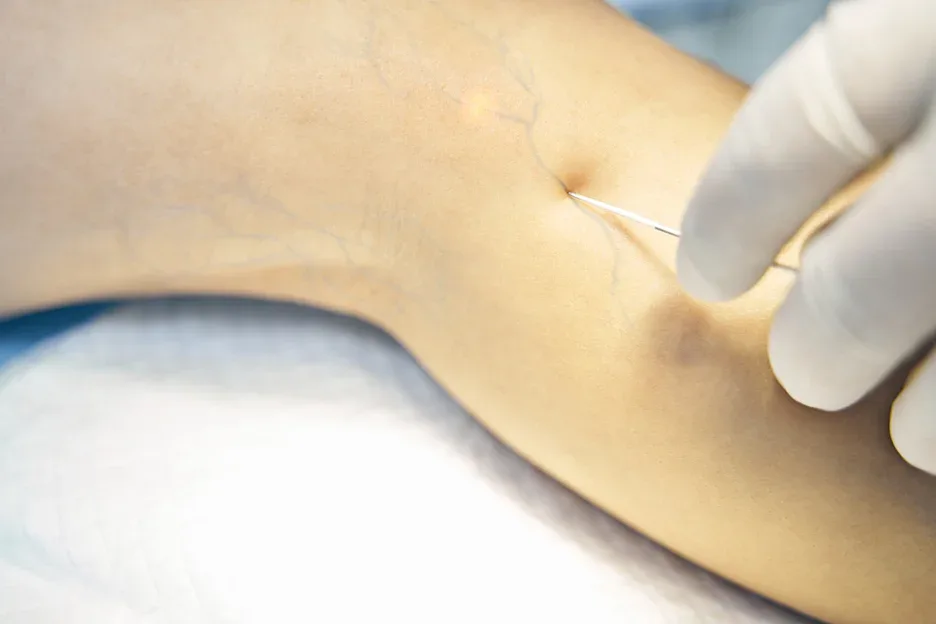
While the treatments for portal hypertension differ from those for varicose veins, the underlying principles share similarities with procedures like VenaSeal and Sclerotherapy:
- Both aim to close off problematic veins and redirect blood flow
- Both require precise ultrasound guidance and expert vascular knowledge
- Both focus on improving overall circulatory health
Many Clifton and Ardsley residents are surprised to learn that the advanced techniques we use for treating peripheral venous disease evolved from the same vascular medicine principles used to address these more serious conditions.
Comprehensive Vein Health: The Local Approach
At Vein Center Doctor, our approach to vein health is comprehensive. While our specialist treatments focus primarily on peripheral vein conditions, we understand the interconnected nature of the vascular system.
When patients from Bergen County, NJ or Westchester County, NY visit our clinics with symptoms that might suggest portal hypertension alongside their varicose veins, we coordinate with hepatologists and interventional radiologists to ensure they receive appropriate, specialized care.
Preventive Strategies for Overall Vein Health
For our local patients concerned about overall vascular health, we recommend:
- Regular cardiovascular exercise appropriate for our region, such as walking the scenic trails at Garrett Mountain Reservation in Passaic County or along the Saw Mill River in Westchester
- A balanced diet rich in antioxidants and low in sodium
- Maintaining healthy weight to reduce pressure on the venous system
- Limiting alcohol consumption to protect liver health
- Using venous compression therapy for leg vein issues to prevent progression
When to Seek Specialized Vein Care in Clifton, NJ or Ardsley, NY
If you're experiencing symptoms that concern you, whether they're visible varicose veins or more systemic symptoms like abdominal swelling or extreme fatigue, it's important to consult with vascular specialists who understand the complete picture of vein health.
Dr. Rahul Sood at Vein Center Doctor has extensive experience diagnosing and treating a wide range of vein conditions. While our primary treatments focus on procedures like sclerotherapy and radiofrequency ablation for peripheral vein issues, our comprehensive assessment includes evaluation for signs that might suggest deeper vascular concerns requiring specialized referrals.
For residents of Clifton, Passaic, Little Falls, Montclair, and surrounding New Jersey communities, or those in Ardsley, Thornwood, Tarrytown, White Plains, and neighboring New York areas, having access to knowledgeable vascular care close to home means potential issues can be identified and addressed early.
Conclusion: Integrated Vascular Health for Our Community
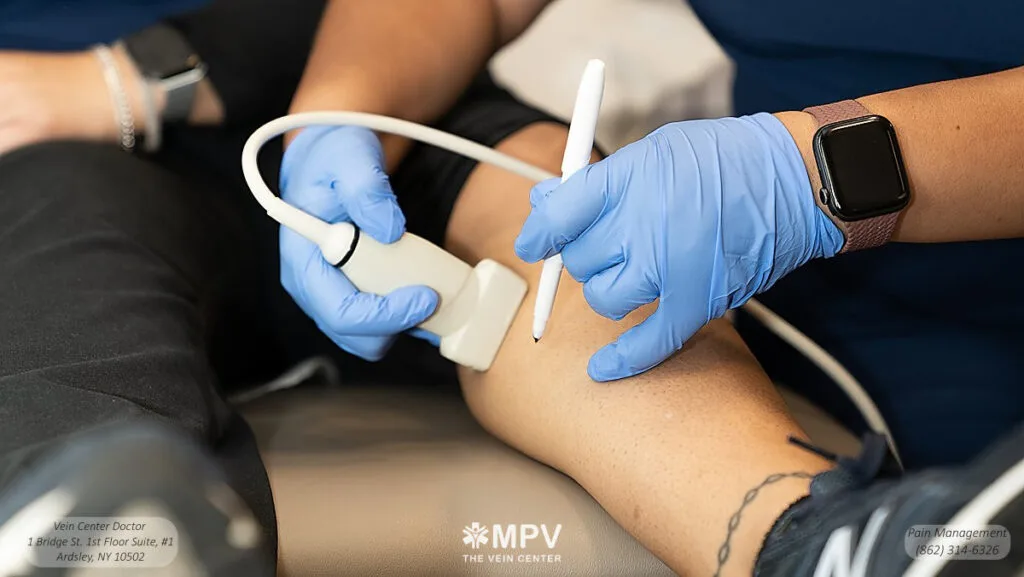
Understanding the connection between different vein conditions throughout the body highlights the importance of comprehensive vascular care.
At Vein Center Doctor, we're committed to not only treating the visible vein conditions that bring patients through our doors but also to educating our community about the broader spectrum of vascular health. Whether you're concerned about the cosmetic appearance of spider veins or experiencing symptoms that might suggest more complex vascular issues, our team is here to provide expert guidance specific to your needs.
If you're a resident of Northern New Jersey or Southern New York with concerns about any aspect of your vein health, we invite you to schedule a consultation at one of our conveniently located clinics. Early evaluation is always the best approach to maintaining optimal vascular health.
Schedule your vein health consultation today