Phlebitis Explained: Inflammation of the Veins and How It’s
Published 2025-10-27
A Comprehensive Guide to Causes, Symptoms & Advanced Treatment Options for Tri-State Residents
If you're experiencing painful, red, or swollen veins, you might be dealing with phlebitis. This inflammation of the veins can range from a minor inconvenience to a serious medical concern requiring prompt attention. For those living in the bustling metropolitan areas of the Northeast, where long commutes and desk jobs are common, understanding this condition is particularly important.
At Vein Center Doctor, we regularly see patients from Jersey City to White Plains concerned about vein discomfort. This comprehensive guide will help you understand phlebitis, its causes, symptoms, and the effective treatments available right here in your community.
What Is Phlebitis and Why Does It Happen?
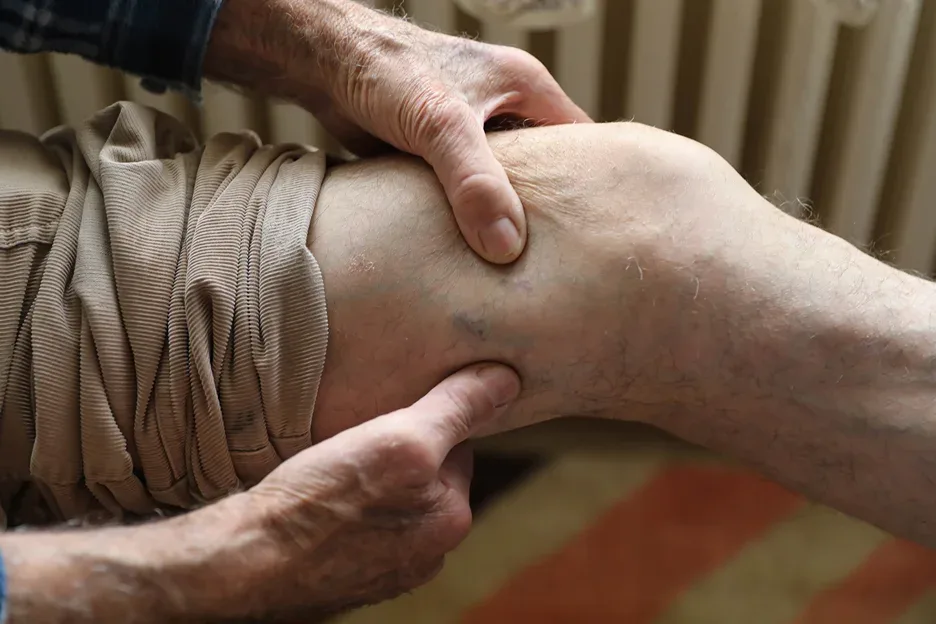
Phlebitis is the inflammation of a vein, typically in the legs, though it can occur elsewhere in the body. This condition often develops when a blood clot (thrombus) forms, a condition called thrombophlebitis, or when the vein sustains direct injury or infection.
There are two main types you should know about:
Superficial Phlebitis
This type affects veins near the surface of your skin. While uncomfortable, it's generally less serious and typically resolves within a few weeks with proper care. For many New Jersey and New York residents who spend long hours commuting on NJ Transit or the subway, superficial phlebitis can develop from prolonged sitting with legs crossed or in one position.
Deep Vein Phlebitis (DVT)
This more serious form affects deeper veins, usually in the legs. Deep vein thrombosis (DVT) requires immediate medical attention as it can lead to a pulmonary embolism if blood clots break loose and travel to the lungs. For residents of urban centers like Clifton or Ardsley who may delay seeking treatment due to busy schedules, understanding the urgency of DVT symptoms is crucial.
Recognizing Phlebitis Symptoms in Everyday Life
Living in the Northeast means contending with seasonal changes that can sometimes mask or exacerbate vein symptoms. Here's what to watch for:
- Redness and warmth along the affected vein
- Swelling and tenderness in the area
- A firm, cord-like structure you can feel beneath the skin
- Pain or discomfort that worsens when you touch the area or walk
- Skin discoloration around the affected vein
For New York commuters who might attribute leg pain to long days of walking city blocks or New Jersey residents who spend hours in Garden State Parkway traffic, these symptoms can be easily overlooked. However, distinguishing vein issues from simple muscle fatigue is important.
Common Causes of Phlebitis in Urban Areas
Several factors contribute to phlebitis development, many of which are particularly relevant to life in the metropolitan area:
Prolonged Inactivity
Whether you're sitting at a desk in a Manhattan office tower or enduring long drives on the New Jersey Turnpike, extended periods without movement can contribute to blood pooling in your veins.
Vein Damage
Previous vein conditions such as varicose veins can increase your risk. In fact, many patients at Vein Center Doctor initially come in for cosmetic varicose vein treatment only to discover underlying issues like phlebitis that require medical attention.
Recent Medical Procedures
If you've recently had an IV line or catheter inserted at one of the region's many medical centers like Hackensack University Medical Center or NewYork-Presbyterian, your risk may be temporarily elevated.
Lifestyle Factors
The fast-paced lifestyle common in the Tri-State area can contribute to risk factors including:
- Smoking
- Lack of regular exercise
- Poor hydration during long workdays
- Obesity
How Phlebitis Is Diagnosed and Treated
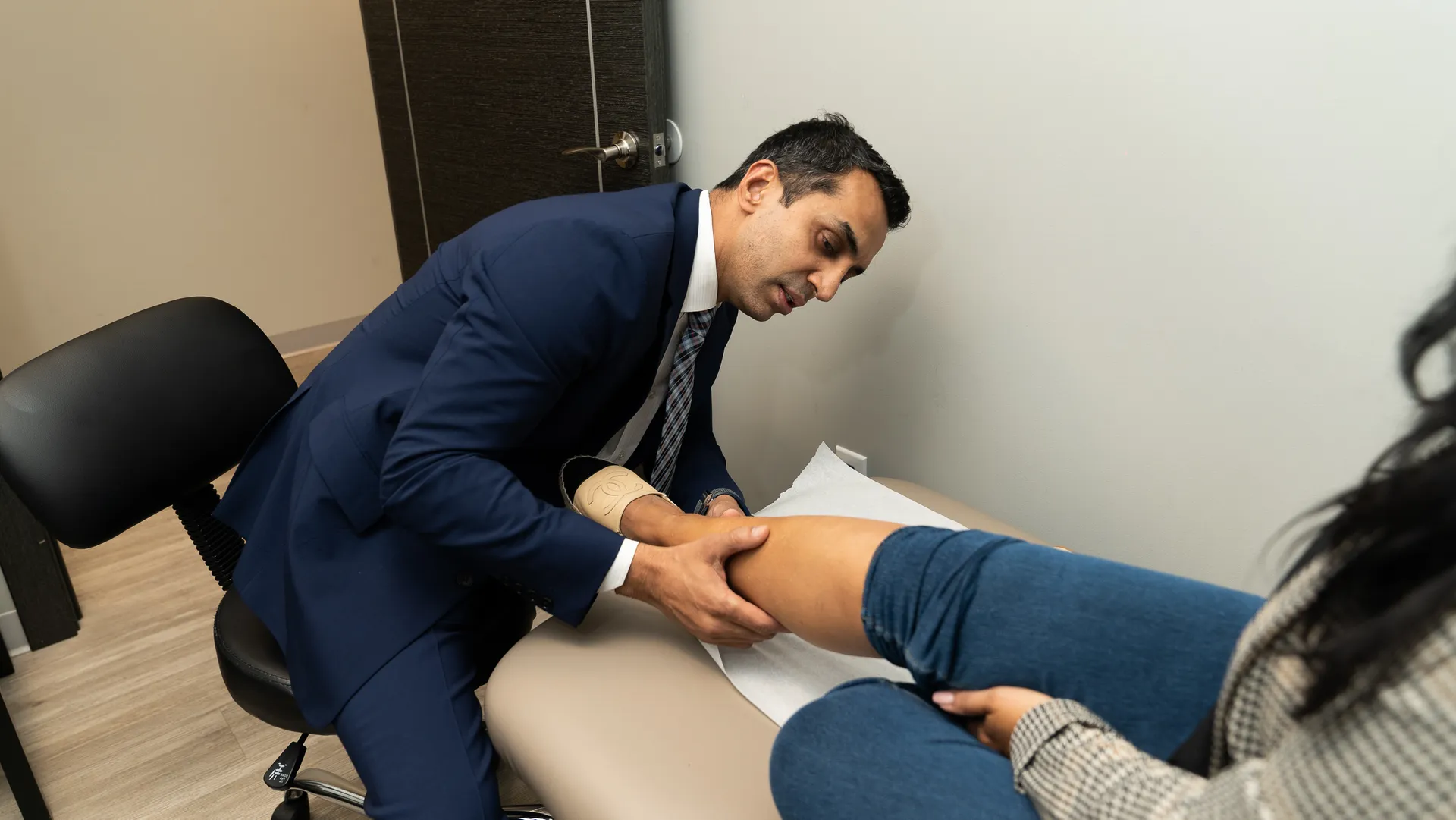
If you suspect you have phlebitis, seeking proper diagnosis is the first step toward relief. At Vein Center Doctor, our vascular specialists use a combination of physical examination and specialized imaging tests to accurately diagnose your condition.
Diagnostic Approaches
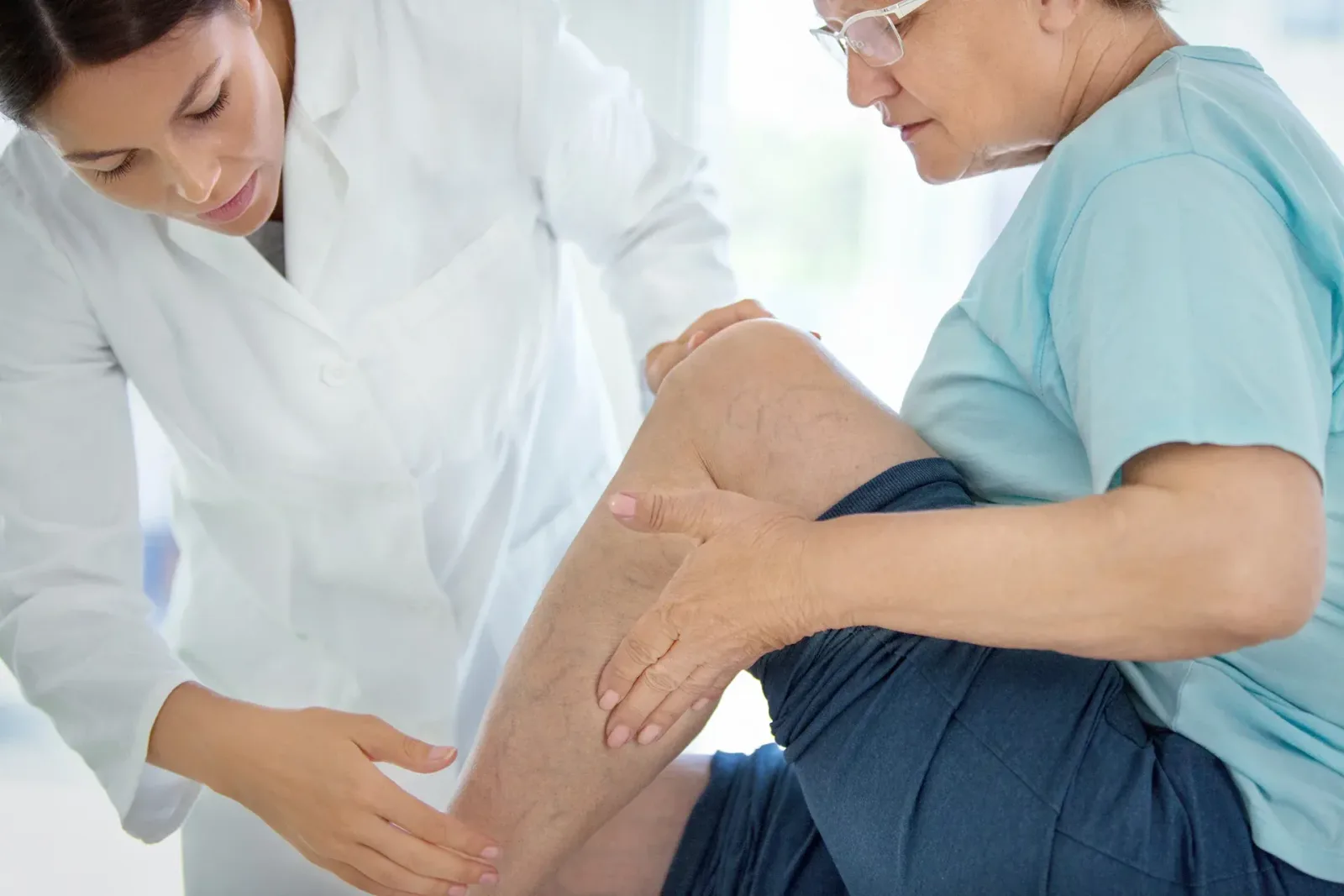
- Physical examination to check for tender, warm, or swollen areas
- Ultrasound imaging to visualize blood flow and check for clots
- Blood tests to check for infection or inflammatory markers
Effective Treatment Options
Treatment varies depending on the type and severity of phlebitis:
For Superficial Phlebitis:
- Anti-inflammatory medications to reduce pain and swelling
- Warm compresses applied several times daily
- Elevation of the affected limb
- Compression therapy to improve circulation and reduce swelling
Many New Jersey patients find that compression stockings are particularly helpful during the region's humid summers when vein issues often worsen.
For Deep Vein Phlebitis (DVT):
- Blood thinners (anticoagulants) to prevent clot growth
- Thrombolytics in severe cases to dissolve clots
- Surgical intervention if necessary
Advanced Vein Treatments Available in New Jersey and New York
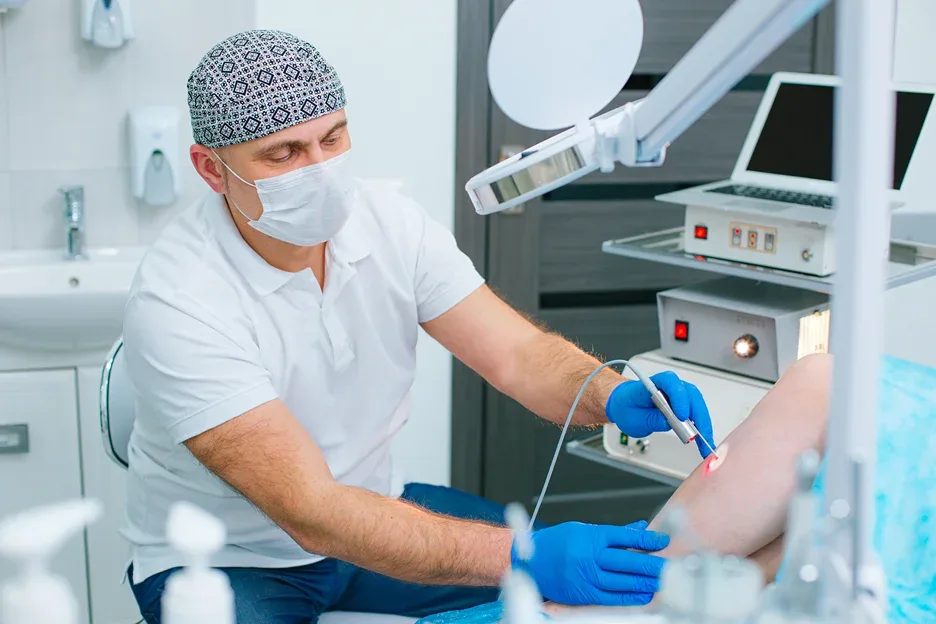
For recurring phlebitis or cases related to underlying vein conditions, several specialized treatments are available right here in the metropolitan area. At Vein Center Doctor, we offer multiple innovative options:
Sclerotherapy
This minimally-invasive procedure is highly effective for treating spider veins and small varicose veins that could contribute to phlebitis. Sclerotherapy involves injecting a solution directly into the problematic vein, causing it to close and eventually fade as the body reroutes blood through healthier vessels.
VenaSeal
For patients with more significant varicose veins, VenaSeal offers a cutting-edge solution. This FDA-approved "vein glue" effectively seals damaged veins without requiring compression stockings afterward - a particular advantage for busy professionals in the New York and New Jersey area who can't take time off work.
Radiofrequency Ablation (RFA)
RFA uses controlled heat to close damaged veins that might be contributing to recurrent phlebitis episodes. This procedure is particularly popular among our New Jersey patients due to its effectiveness and minimal recovery time.
Preventing Phlebitis: Strategies for Busy Metro Residents
Prevention is always preferable to treatment. Here are some practical strategies tailored to life in the New York and New Jersey metropolitan area:
- Stay active even during long workdays. Consider getting off the subway one stop early or taking short walking breaks during your commute on the PATH train
- Maintain healthy weight despite the temptations of the region's amazing food scene
- Stay hydrated, especially when dealing with summer humidity or winter heating
- Change positions regularly during long meetings or commutes
- Consider compression stockings for long flights from Newark or JFK airports
When to Seek Medical Attention
While many cases of superficial phlebitis can be managed at home, certain symptoms warrant immediate medical attention:
Severe swelling in one limb
Chest pain or shortness of breath (potential signs of a pulmonary embolism)
Fever alongside vein symptoms
Redness or warmth that spreads rapidly
For New York and New Jersey residents, accessibility to quality vein care is fortunately not an issue. With locations in both Clifton, NJ and Ardsley, NY, Vein Center Doctor provides expert care regardless of which side of the Hudson River you call home.
Taking Control of Your Vein Health
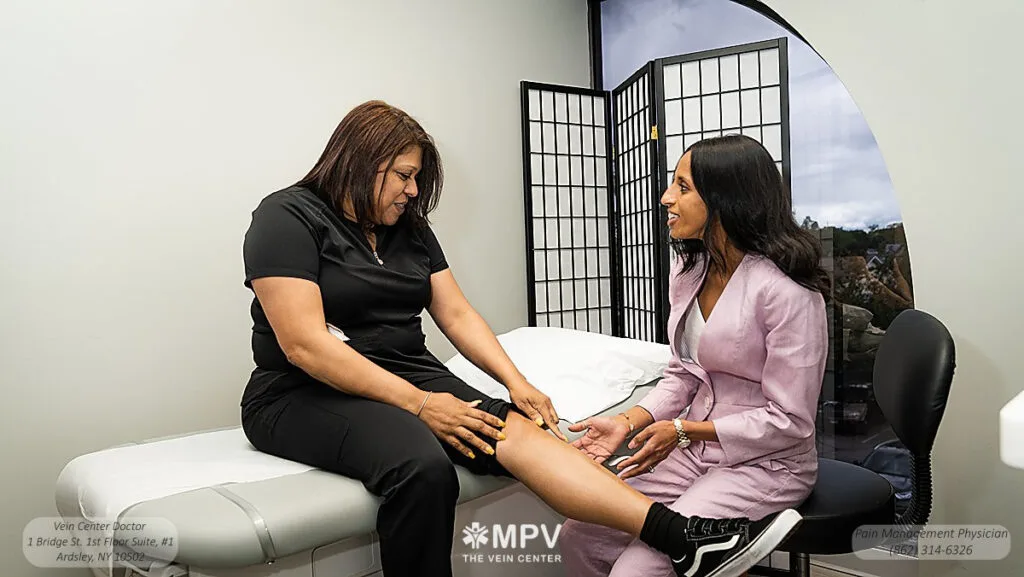
Understanding phlebitis is an important step toward maintaining overall vascular health. For residents of New Jersey and New York, where factors like long commutes, desk jobs, and seasonal weather extremes can all impact vein health, being proactive about vascular care is especially important.
If you're experiencing symptoms that concern you, don't wait until they worsen. Vein Center Doctor, led by Dr. Rahul Sood, offers free consultations to evaluate your symptoms and develop a personalized treatment plan. With offices in both states and a range of cutting-edge treatments available, relief from phlebitis and other vein conditions is more accessible than ever for metropolitan area residents.
Taking care of your veins today means investing in your mobility and comfort for years to come, an investment well worth making in our active, fast-paced region.