Natural Ways to Manage Spider Veins on the Legs
Published 2025-07-29
Effective Home Remedies and When to Seek Treatment
While there's no natural method to completely eliminate spider veins, you can reduce their appearance with regular exercise, leg elevation, and compression stockings. For more significant improvement of spider veins on your legs, medical treatments like sclerotherapy offer better results than home remedies alone.
You glance down at your legs and notice those tiny purple lines that weren't there last summer. Spider veins – those web-like networks of blue and red vessels – can appear seemingly overnight, affecting how you feel about showing your legs.
If you're among the 50-55% of women and 40-45% of men dealing with these visible veins, you're certainly not alone.
Spider veins aren't just a cosmetic concern – they can sometimes signal underlying circulation issues that deserve attention. While they rarely disappear completely without medical intervention, there are natural approaches that can significantly improve their appearance and prevent new ones from forming.
For a professional assessment of your specific vein condition, schedule a consultation with Vein Center Doctor to determine the most effective treatment approach
What Are Spider Veins and How Do They Differ From Varicose Veins?
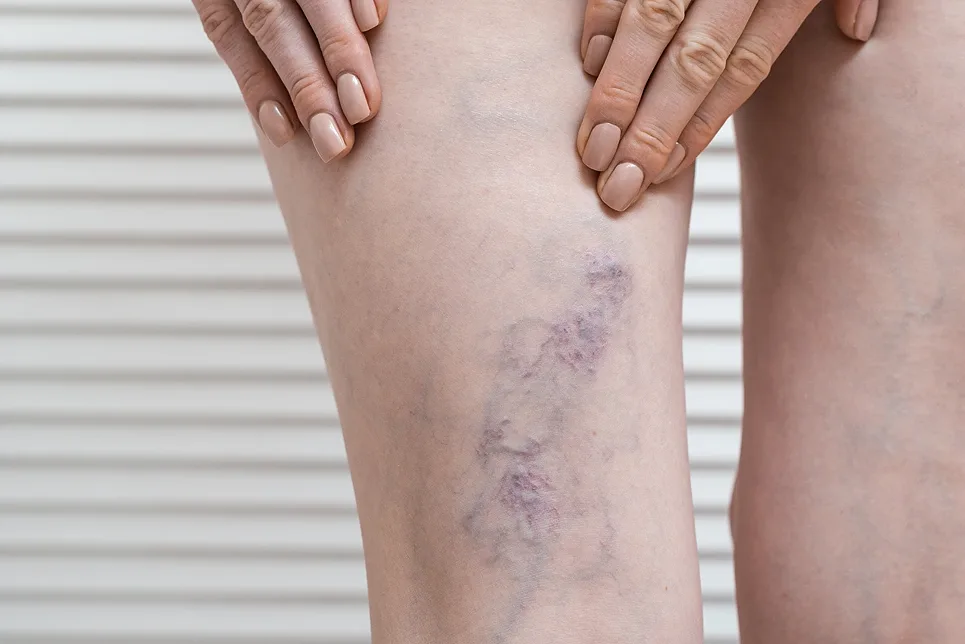
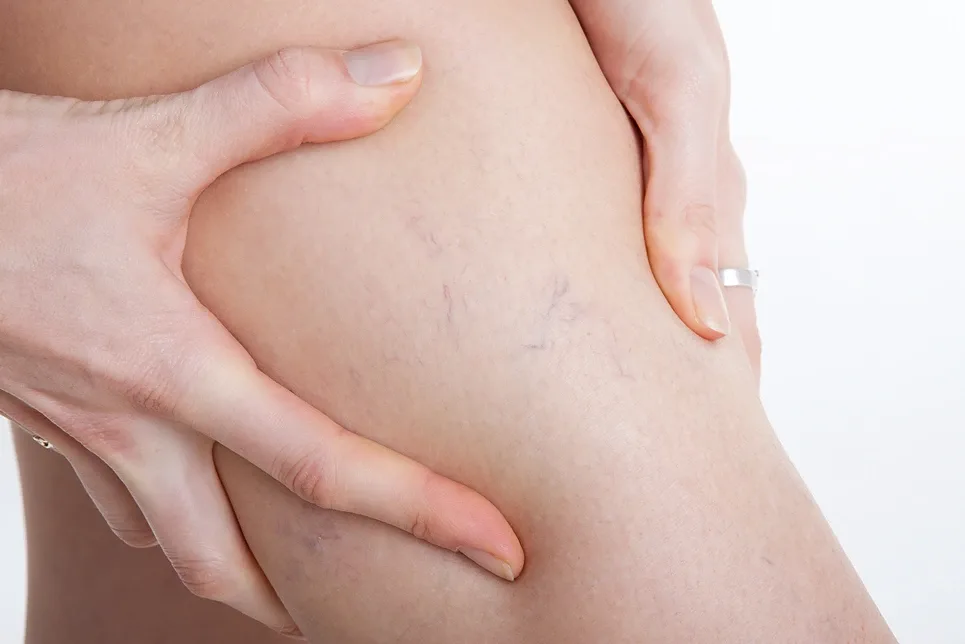
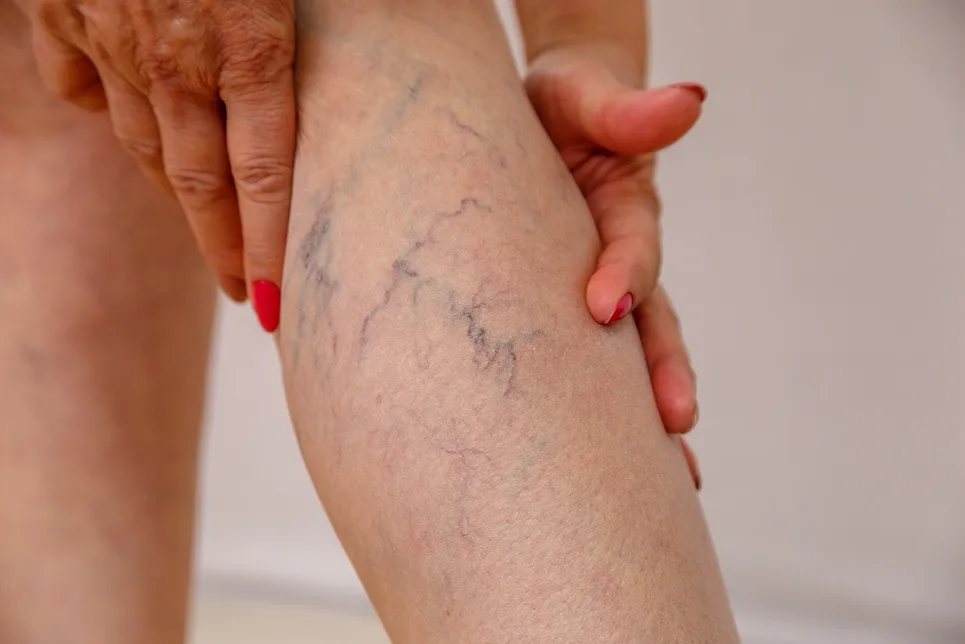
Spider veins (telangiectasias) are small, damaged veins that appear close to the skin's surface as thin red, blue, or purple lines resembling spider webs or tree branches. Unlike varicose veins, which are larger, rope-like, and often raised above the skin's surface, spider veins are flat and typically don't cause physical discomfort.
While varicose veins result from weakened valves that allow blood to pool and cause the vein to bulge, spider veins are smaller capillaries that have dilated, creating those characteristic web-like patterns on the legs.
What Causes Spider Veins to Appear on the Legs?
Several factors contribute to the development of spider veins:
- Genetics plays a significant role—if your parents had spider veins, you're more likely to develop them too.
- Hormonal changes during pregnancy, puberty, menopause, or while taking birth control pills can weaken vein walls.
- As we age, our skin loses elasticity, making veins more visible.
- Lifestyle factors like prolonged standing or sitting restrict proper blood flow and increase pressure in the veins.
Other contributors include excess weight putting pressure on your veins, sun exposure damaging surface blood vessels, and previous leg injuries that affect circulation. Understanding these causes can help you take preventative measures.
Can Spider Veins Go Away on Their Own?
Unfortunately, once spider veins have formed, they typically don't disappear without treatment. Unlike some skin issues that resolve naturally, spider veins represent permanently dilated blood vessels. However, this doesn't mean you're without options.
Natural approaches can help prevent new spider veins from forming, reduce their appearance, manage symptoms, and prevent existing ones from worsening. Setting realistic expectations is important—while you may not eliminate spider veins completely with home remedies, you can significantly improve their appearance and prevent progression.
Don't wait for spider veins to worsen – contact Vein Center Doctor today for treatments that can effectively eliminate existing veins rather than just managing symptoms.
Lifestyle & Home Remedies for Spider Veins
Natural methods primarily help manage symptoms, prevent new spider veins, and improve the health of your circulatory system rather than completely eliminating existing ones.
This distinction is important for setting realistic expectations. While medical procedures offer more definitive removal options, natural approaches can still yield noticeable improvements when practiced consistently.
These natural remedies work best when implemented early and maintained as part of your regular routine. They're particularly effective for prevention and managing mild cases, serving as excellent complements to medical treatments when necessary.
What Lifestyle Changes Can Help Prevent Spider Veins and Improve Existing Ones?
How Regular Exercise Impacts Spider Veins
Low-impact activities like walking, swimming, and yoga engage leg muscles that act as natural pumps, pushing blood back toward your heart. This improved circulation reduces vein pressure and helps prevent new spider veins from forming. Aim for 30 minutes of these activities most days of the week.
How Maintaining a Healthy Weight Helps With Spider Veins
Excess weight puts additional pressure on your leg veins. Maintaining a healthy weight reduces this pressure, allowing blood to flow more freely and decreasing the likelihood of vein damage. For existing spider veins, weight management can prevent worsening and reduce symptoms like aching or swelling.
Why Elevating Your Legs Is Important for Spider Vein Relief
Elevate your legs above heart level for 15-20 minutes several times daily to work with gravity, improving blood return and reducing vein pressure. Try propping your legs on pillows while lying down or against a wall in a modified yoga pose, especially after long periods of standing or sitting.
How Compression Stockings Aid in Managing Spider Veins
Compression stockings apply graduated pressure that's strongest at the ankles, helping blood flow upward against gravity. Choose over-the-counter support hose for prevention or prescription-grade stockings for more significant issues. Put them on first thing in the morning before swelling occurs for best results.
Why You Should Avoid Prolonged Sitting or Standing
Both extended sitting and standing impair circulation and increase vein pressure. Take 5-minute breaks every hour to move around, stretch, or elevate your legs. Simple desk exercises like ankle rotations and calf raises can activate your muscle pump and improve circulation.
How a Healthy Diet Contributes to Vein Health
Focus on high-fiber foods to prevent constipation, anti-inflammatory foods like berries and greens, and flavonoid-rich options (buckwheat, citrus, berries) that strengthen vein walls. Include potassium-rich foods to reduce water retention and stay well-hydrated. Limit sodium and alcohol, which can cause fluid retention and increase vein pressure.
How Massage Helps With Spider Veins
Perform gentle massage with upward strokes around (never directly on) spider veins to stimulate circulation. Use a moisturizing lotion and avoid applying pressure directly on visible veins to prevent damage. A 5-minute daily massage can complement other vein health strategies.
Why You Should Avoid Tight Clothing for Better Vein Health
Tight garments around your waist, groin, or legs restrict circulation and contribute to vein problems. Choose looser-fitting clothes that don't leave indentations on your skin. The exception: properly fitted compression stockings, which are specifically designed to support healthy blood flow.
What Natural Remedies or Topical Applications Are Often Suggested for Spider Veins?
Apple Cider Vinegar
Apple cider vinegar may help reduce spider vein inflammation, though scientific evidence is limited. Some users report improved appearance after regular application. To try: dilute equal parts vinegar and water, soak a clean cloth, and apply to affected areas for 15-20 minutes twice daily. Results vary, but it may help with itching and swelling.
Essential Oils
Certain essential oils can boost circulation and potentially reduce spider vein visibility. Cypress oil strengthens blood vessels, lavender reduces inflammation, and geranium improves circulation. Always dilute with a carrier oil (3-5 drops per tablespoon of coconut or jojoba oil) and perform a patch test first to avoid skin reactions.
Herbal Supplements
Several supplements show promise for vein health. Horse chestnut extract contains aescin, studied for venous insufficiency. Butcher's broom may strengthen blood vessels, while grape seed extract provides antioxidants that support capillary health. Diosmin and hesperidin are bioflavonoids often recommended for vein issues. Always consult your healthcare provider before starting supplements, especially if pregnant or taking medications.
Witch Hazel
This natural astringent temporarily tightens skin and reduces inflammation around spider veins. While it won't eliminate veins, it may reduce their visibility by calming surrounding tissue. Apply with a cotton ball to affected areas twice daily. Look for alcohol-free formulations to prevent drying the skin.
If you're experiencing any signs, don't delay – contact Vein Center Doctor today for a comprehensive vein health assessment and personalized treatment plan
When Should You Consider Professional Medical Treatment for Spider Veins?
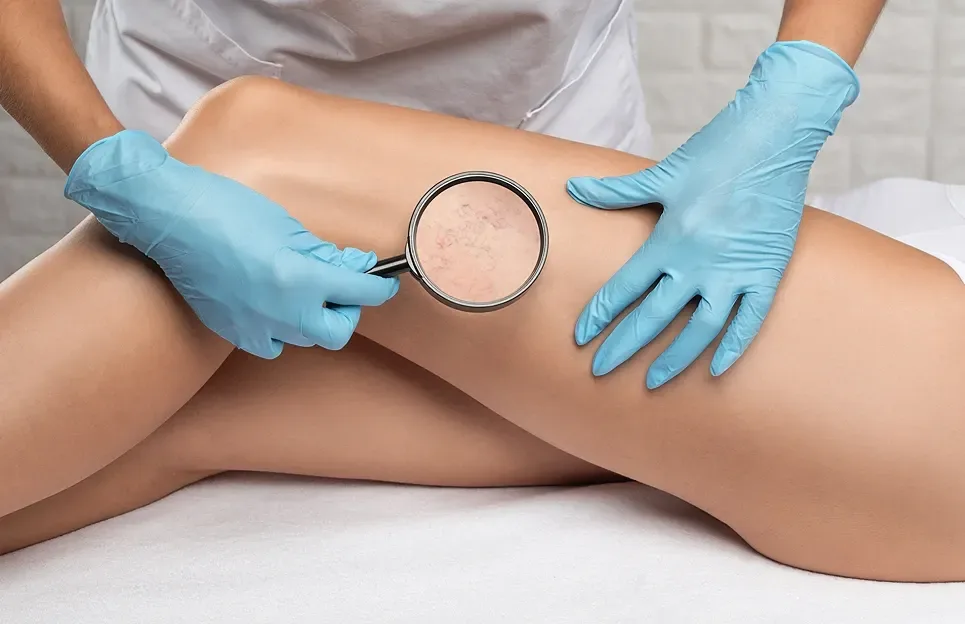
Consider seeking professional treatment when:
- Natural methods haven't provided satisfactory results after consistent application
- Your spider veins cause physical symptoms like pain, aching, burning, or itching
- You're concerned about the cosmetic appearance impacting your quality of life
- You notice worsening of existing veins or rapid development of new ones
- There are signs of more serious venous insufficiency like swelling, skin changes, or leg ulcers
A consultation with a vein specialist can determine the underlying cause of your spider veins and recommend the most appropriate treatment plan.
Common Medical Treatments for Spider Veins and Larger Veins
Sclerotherapy
Sclerotherapy is a minimally invasive procedure that involves injecting a solution directly into the affected veins, causing them to collapse and gradually fade. It's particularly effective for small to medium spider veins and reticular veins. The procedure is relatively quick, performed in-office, and typically requires little to no downtime. Multiple sessions may be needed for optimal results.
VenaSeal
VenaSeal is an innovative treatment that uses a medical-grade adhesive to close problematic veins. A small amount of adhesive is delivered through a catheter, effectively sealing the vein and rerouting blood to healthier vessels. Advantages include minimal discomfort, no need for compression stockings afterward in many cases, and quick recovery time.
Venous Compression Therapy
While not a standalone cure for existing spider veins, medical-grade compression therapy plays a crucial role in managing symptoms of venous insufficiency and preventing recurrence after procedures. Prescription-strength graduated compression stockings provide greater therapeutic benefits than over-the-counter versions.
Radiofrequency Ablation (RFA) for Varicose Veins
Though primarily used for larger varicose veins rather than spider veins themselves, RFA can address the underlying venous insufficiency that often causes spider veins. This procedure uses heat energy to seal off diseased veins, redirecting blood flow to healthy veins. By treating the root cause, it can prevent new spider veins from forming.
Conclusion
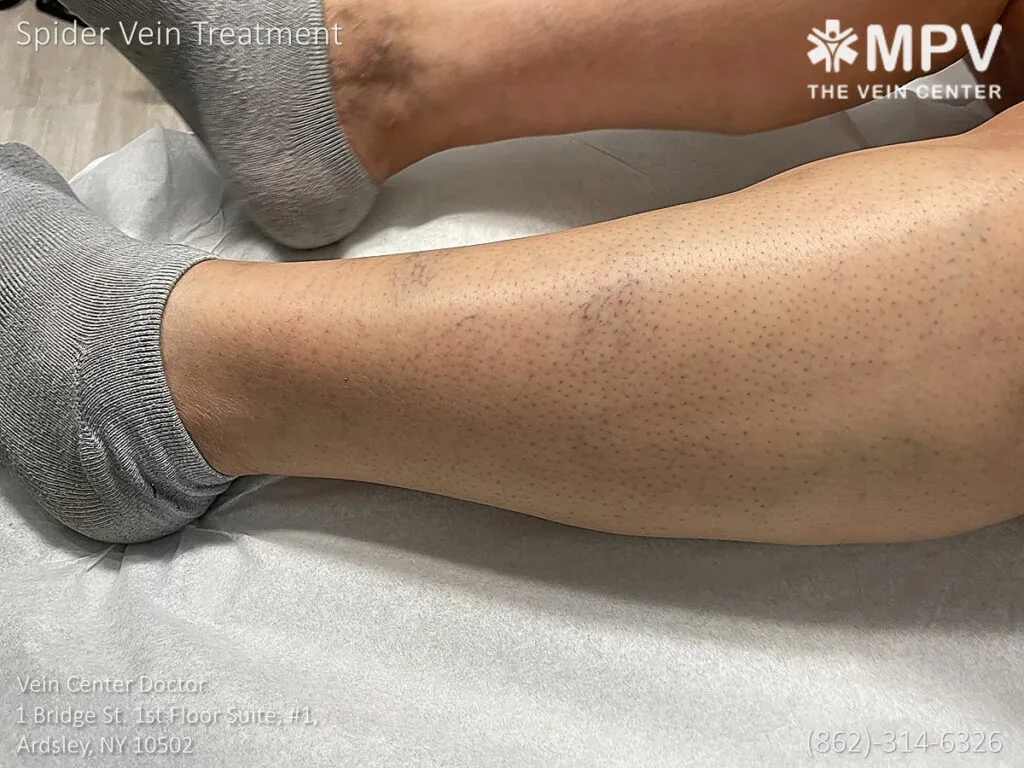
Managing spider veins effectively requires a balanced approach—combining consistent natural care methods for prevention and symptom management with professional medical treatments when necessary. While natural remedies can significantly improve vein health and prevent new spider veins from forming, existing ones may require medical intervention for complete removal.
If spider veins are causing you physical discomfort or affecting your self-confidence, don't hesitate to consult with a vein specialist. At Vein Center Doctor, our experienced team provides comprehensive evaluations and personalized treatment plans to address your specific vein concerns. Contact us today to discover how we can help you achieve healthier, more beautiful legs with our minimally invasive treatment options.