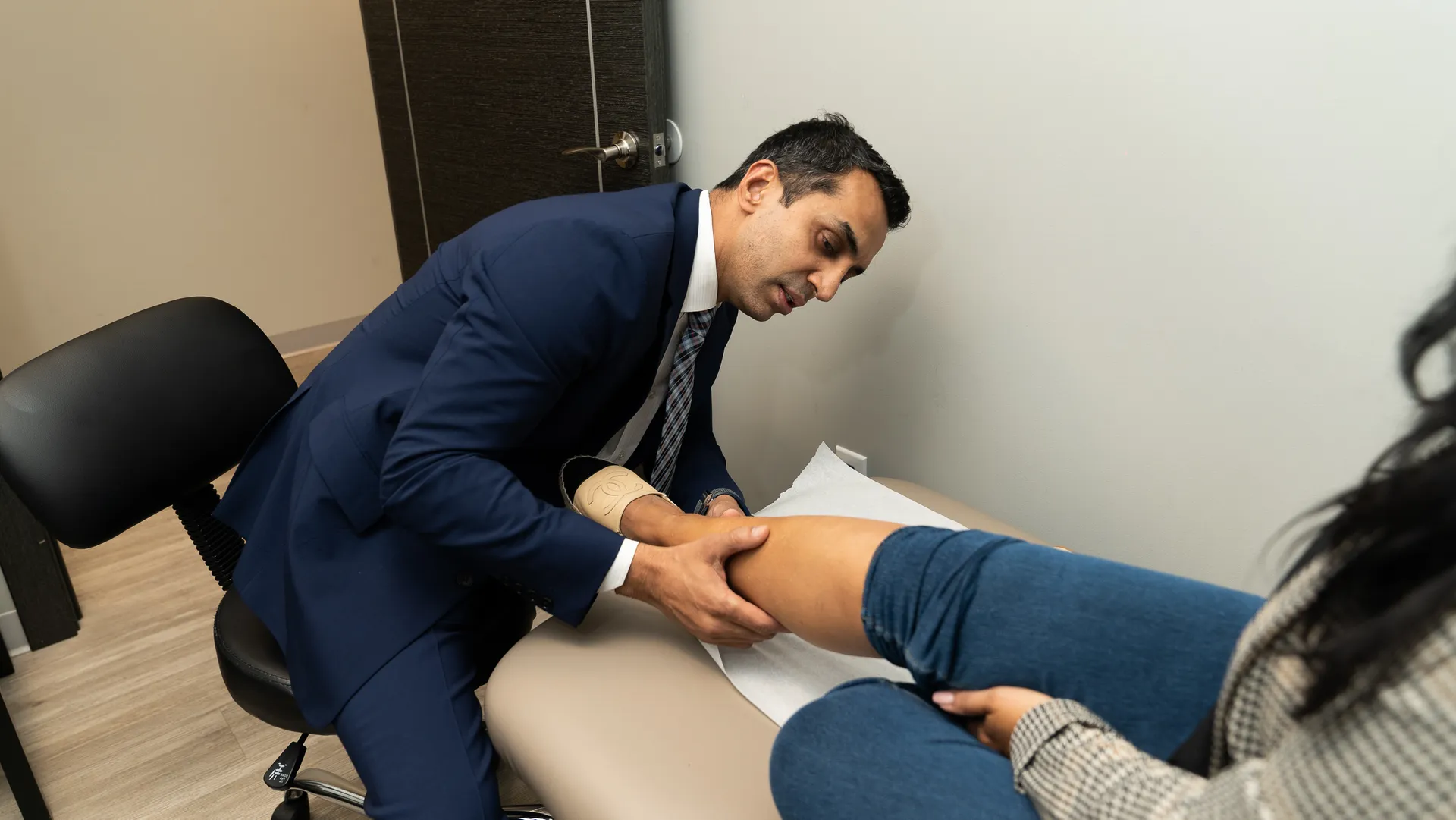
Advanced Laser Treatments for Rosacea and Facial Thread
Published 2025-07-29
The Path to Clearer Skin Through Modern Vascular Laser Therapy
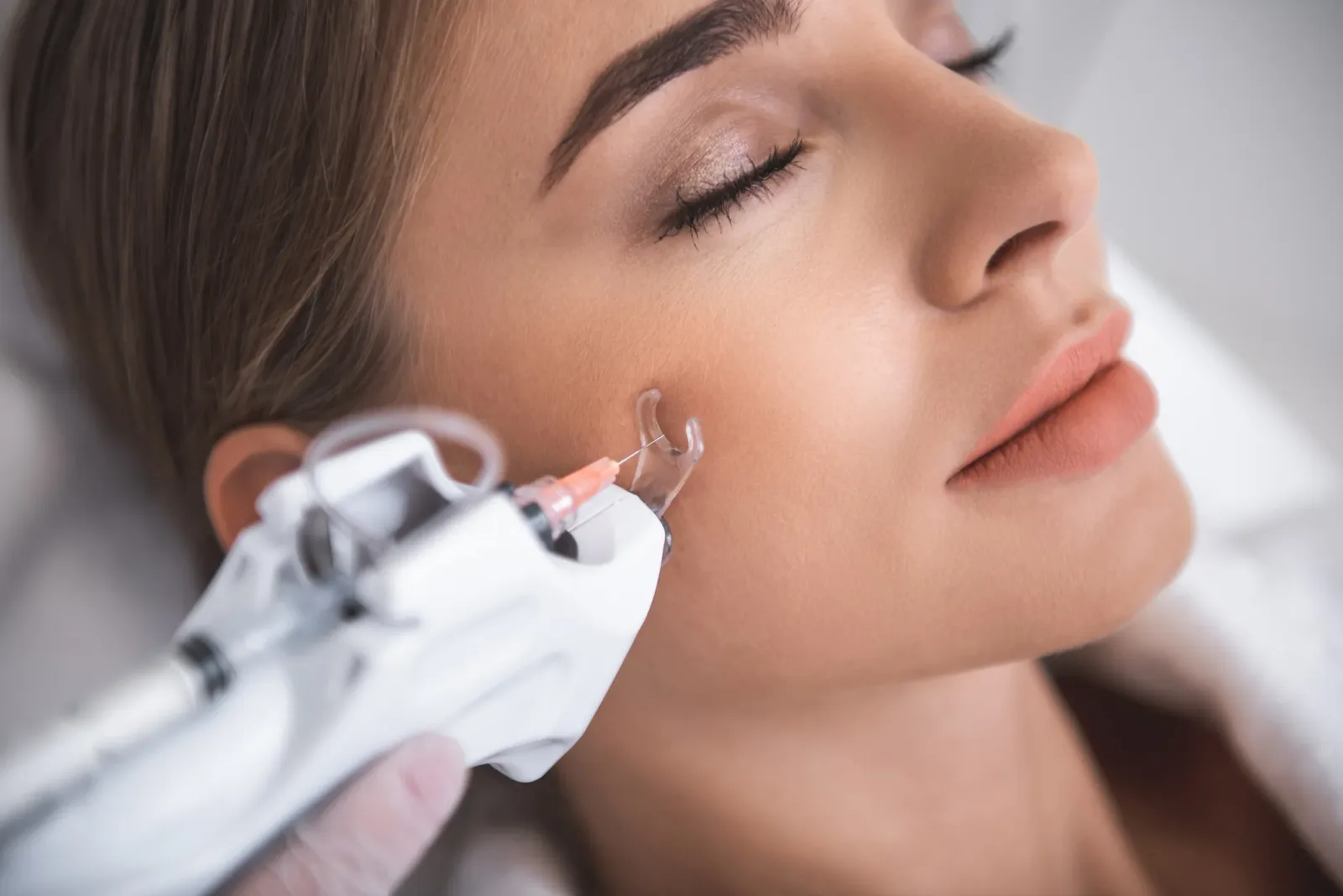
Laser treatment for rosacea and facial thread veins works by targeting blood vessels with specific wavelengths of light, causing them to collapse and eventually fade away. This non-invasive procedure can significantly reduce facial redness and visible veins with minimal downtime, helping many patients achieve clearer skin and improved confidence.
Are you tired of the persistent redness that appears on your face no matter what products you try? Do you find yourself constantly applying concealer to hide visible blood vessels on your cheeks or nose?
If facial redness and visible veins are affecting your confidence, you're not alone. Millions of Americans struggle with rosacea and facial thread veins, conditions that can be frustrating and sometimes embarrassing.
Fortunately, advances in medical technology have made these conditions more treatable than ever before. Laser therapy has emerged as one of the most effective solutions for reducing redness and eliminating visible blood vessels on the face.
Schedule your personalized assessment at Vein Center Doctor today and discover how our advanced laser treatments can help restore your skin's natural clarity.
Understanding Rosacea and Facial Thread Veins
What is Rosacea and What Are Its Symptoms?
Rosacea is a chronic inflammatory skin condition that typically affects the central face. This common disorder affects over 16 million Americans and is characterized by several hallmark symptoms:
- Persistent facial redness (erythema), particularly across the cheeks, nose, and forehead
- Visible blood vessels (telangiectasias)
- Inflammatory papules and pustules resembling acne
- Flushing and burning sensations
- Skin thickening, most commonly on the nose (rhinophyma)
- Eye irritation (ocular rosacea)
Rosacea typically begins after age 30 and can worsen without treatment. While it can affect anyone, it's most common in fair-skinned individuals, particularly those of Northern European descent.
What Are Facial Thread Veins and What Causes Them?
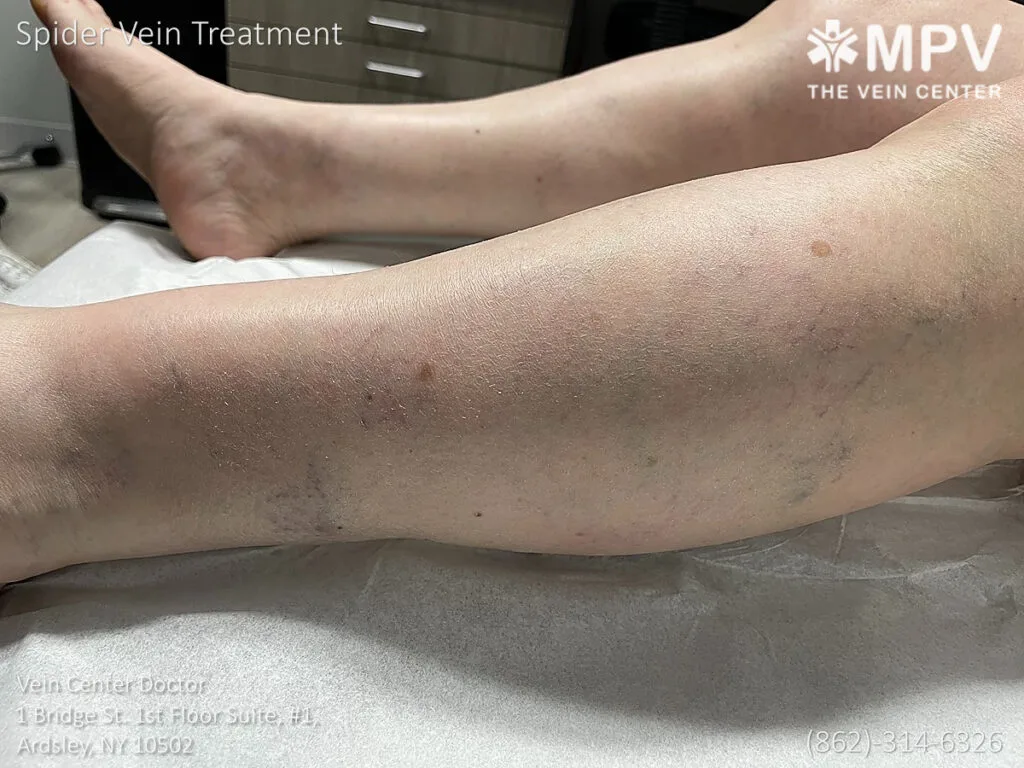
Facial thread veins, also called spider veins or telangiectasias, are tiny dilated blood vessels that become visible through the skin's surface. They typically appear as fine red, blue, or purple lines on the face, particularly around the nose and cheeks.
These visible veins develop due to various factors:
- Excessive sun exposure, which breaks down collagen and damages blood vessel walls
- Genetic predisposition
- Natural aging process
- Hormonal changes, including pregnancy and menopause
- Environmental damage from wind, extreme temperatures, or pollution
- Alcohol consumption, which causes temporary blood vessel dilation
- Previous skin trauma or surgery
Are Rosacea and Facial Thread Veins Related?
Yes—visible thread veins are actually a primary feature of one subtype of rosacea. Erythematotelangiectatic rosacea (subtype 1) is characterized by persistent redness and visible blood vessels. While not all people with facial thread veins have rosacea, these visible vessels are often a component of the condition.
What Triggers Rosacea Flare-ups?
Rosacea symptoms can be triggered or worsened by numerous factors:
- Sun exposure
- Hot or cold weather
- Spicy foods and hot beverages
- Alcohol, particularly red wine
- Emotional stress
- Exercise
- Certain skincare products, especially those containing alcohol or fragrance
- Some medications that dilate blood vessels
Is Rosacea Contagious or Hereditary?
Rosacea is absolutely not contagious—you cannot "catch" it from someone else. However, there does appear to be a genetic component. Those with family members who have rosacea are more likely to develop the condition themselves, suggesting a hereditary predisposition.
If you recognize these symptoms, contact the Vein Center Doctor for a professional diagnosis and personalized treatment plan designed for your unique skin concerns.
The Science Behind Laser Treatment for Facial Redness
Laser treatment for vascular conditions operates on the principle of selective photothermolysis. This scientific process involves:
- The laser emits light at a specific wavelength that is preferentially absorbed by oxyhemoglobin (the oxygen-carrying component in blood).
- When this light energy reaches the blood vessels, it converts to heat.
- The heat causes the vessel walls to collapse and seal shut.
- The body gradually reabsorbs these treated vessels over the following weeks.
The key advantage of laser therapy is its precision—it targets only the problematic blood vessels while leaving surrounding tissue unharmed.
What Types of Laser Treatments Are Available for Rosacea and Facial Thread Veins?
Several different laser and light-based technologies effectively treat facial redness:
Laser Technology
Description
Pulsed Dye Laser (PDL)
Considered the gold standard for vascular lesions, PDL delivers light at a wavelength specifically absorbed by blood vessels, making it effective for prominent vessels and diffuse redness.
Intense Pulsed Light (IPL)
Uses multiple wavelengths to treat various skin concerns simultaneously. Excellent for reducing redness and addressing sun damage, such as brown spots.
Nd:YAG Laser
Penetrates deeper into the skin, ideal for treating larger or deeper vessels. Often safer for darker skin tones.
KTP Laser
Effective for finer vessels and superficial redness, targeting specific areas with precision.
The choice of technology depends on your specific symptoms, skin type, and the depth and size of the blood vessels being treated.
What Are the Benefits of Laser Treatment for Rosacea and Facial Thread Veins?
Laser therapy offers numerous advantages:
- Significant reduction in visible blood vessels
- Decreased overall facial redness
- Improved skin tone and texture
- Reduced flushing episodes and associated burning sensations
- Non-invasive approach with minimal downtime
- Potential for long-term improvement, particularly of visible vessels
Is Laser Treatment Effective for Reducing Redness and Visible Blood Vessels?
Clinical studies consistently show that vascular lasers can reduce visible blood vessels by 50-75% after just 1-3 treatments. For diffuse redness, most patients see a 20-40% improvement after a series of treatments. While results vary based on individual factors and severity, most patients experience significant visible improvement.
Can Laser Treatment Improve Overall Skin Texture and Tone?
Yes—the controlled heat from laser treatments can stimulate collagen production, leading to subtle improvements in skin texture and tone. This "collagen remodeling" effect provides a secondary benefit beyond the primary vascular improvements, particularly with IPL treatments.
The Laser Treatment Process
A typical laser treatment session includes:
- Consultation and assessment: Your provider will examine your skin, discuss your concerns, and review your medical history.
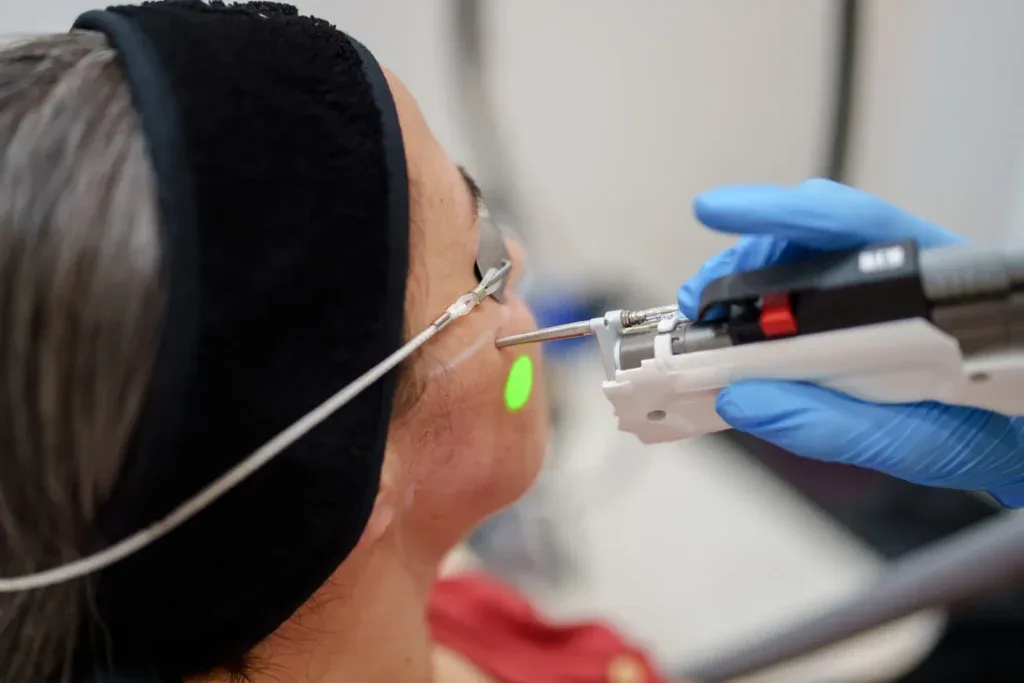
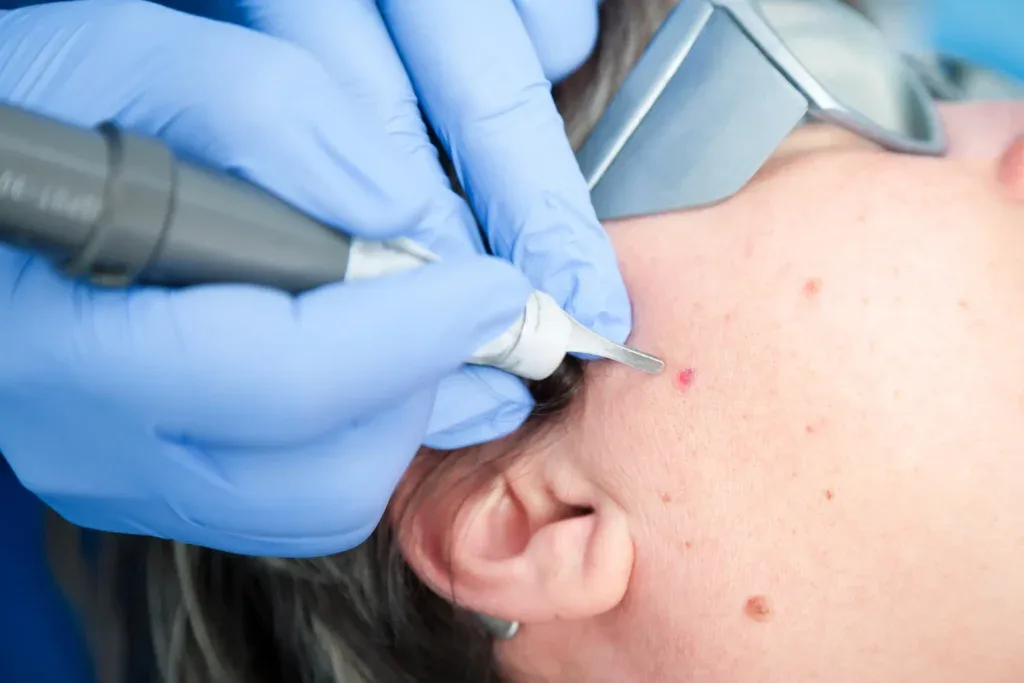
- Preparation: Your face will be cleansed, and you'll receive protective eyewear.
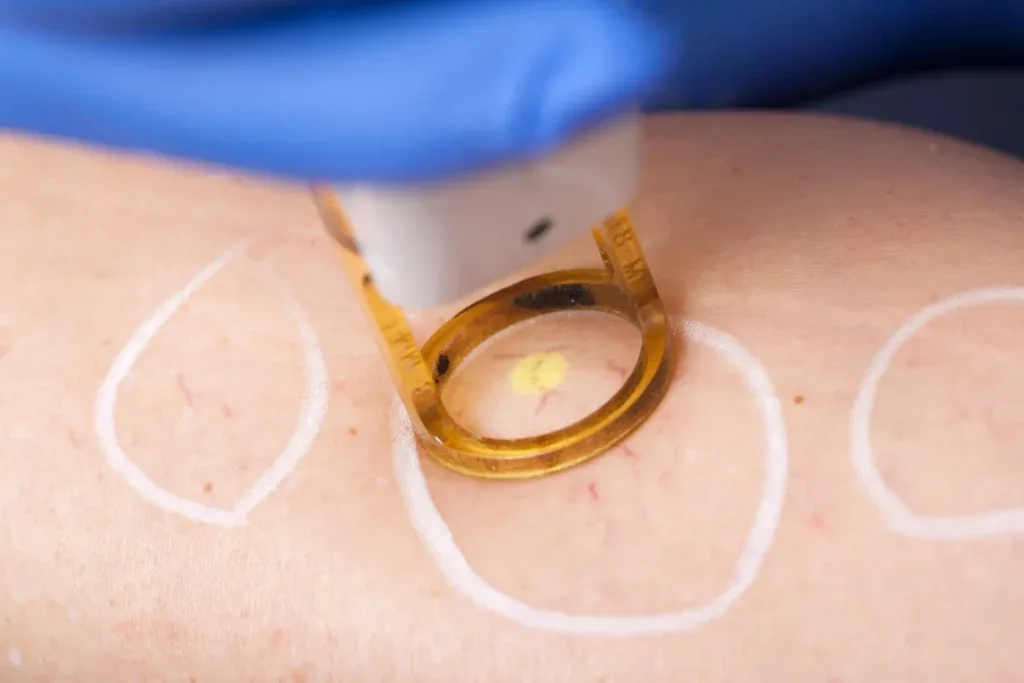
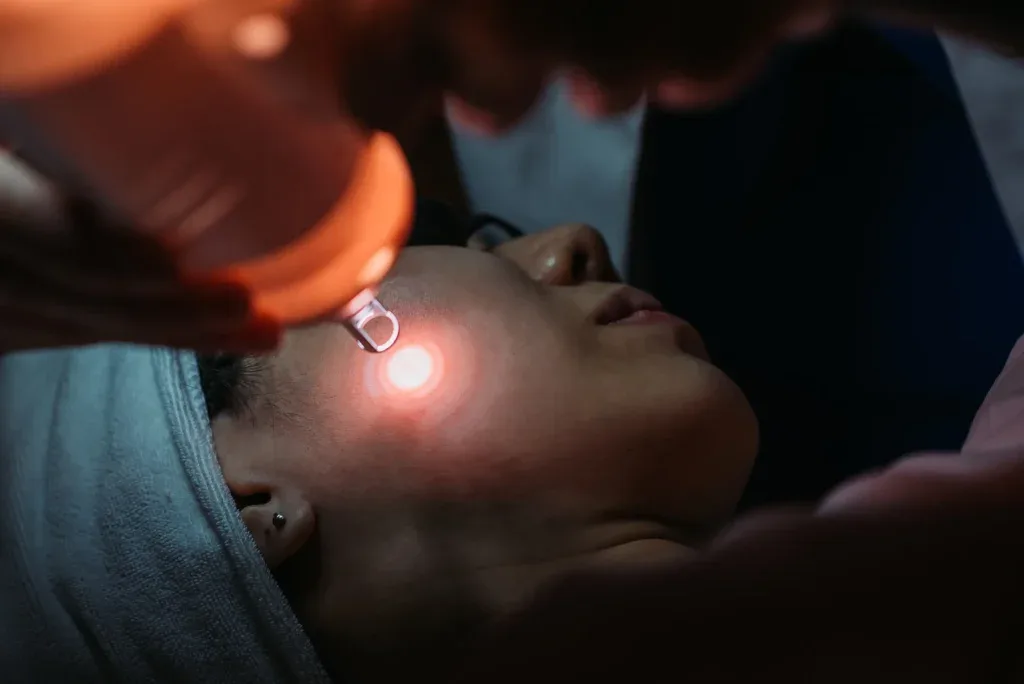
- Treatment: The practitioner will apply the laser handpiece to your skin in a methodical pattern, delivering light energy to the treatment areas.
- Cooling: Most modern systems incorporate cooling technology to maximize comfort during treatment.
Most sessions take between 15-30 minutes, depending on the size of the treatment area.
Take the mystery out of laser treatment by scheduling a consultation at Vein Center Doctor where we'll walk you through every step of the process.
Does Laser Treatment for Rosacea and Facial Thread Veins Hurt?
Most patients describe the sensation as a mild snapping or rubber band flick against the skin. Discomfort is typically minimal and well-tolerated. Modern laser systems incorporate cooling mechanisms that significantly reduce pain. For sensitive individuals, topical numbing cream can be applied before treatment.
How Many Laser Treatment Sessions Will I Need?
Most patients require 2-4 sessions to achieve optimal results. The number of treatments depends on:
- The severity and extent of your redness or visible vessels
- The type of laser used
- Your individual response to treatment
- Your skin type and condition
Larger, deeper vessels generally require more treatments than finer, superficial ones.
How Far Apart Are Laser Treatment Sessions Typically Spaced?
Sessions are usually scheduled 3-6 weeks apart. This interval allows for proper healing between treatments and gives time for the body to reabsorb the treated blood vessels.
What Are the Typical Results of Laser Treatment for Rosacea and Thread Veins?
Immediately after treatment, the treated area may appear red and slightly swollen, similar to a mild sunburn. Some vessels may appear darker or more prominent—this is normal and indicates a successful treatment.
Over the following days and weeks, this initial reaction subsides, and the treated vessels gradually fade. Maximum results become visible 4-6 weeks after treatment as the body clears away the treated vessels.
How Long Do the Results of Laser Treatment Last?
For visible blood vessels, results can be long-lasting or permanent. However, since rosacea is a chronic condition, new vessels may form over time. Many patients benefit from annual maintenance treatments to manage these new developments.
Are There Any Potential Risks or Side Effects of Laser Treatment?
When performed by qualified professionals, laser treatments are generally very safe. However, as with any medical procedure, there are some potential side effects to be aware of.
What Are Common Side Effects After Laser Treatment?
Most side effects are mild and temporary:
- Redness and swelling lasting 1-3 days
- Mild bruising, particularly with PDL treatments
- Temporary darkening of treated vessels before they fade
- Sensation of warmth or mild burning (typically resolves within hours)
Is Laser Treatment Safe for All Skin Types?
Laser safety varies by skin type. Individuals with darker skin tones face a higher risk of pigmentation changes with certain laser types. However, with appropriate technology selection and settings, most people can be safely treated. The Nd:YAG laser is often preferred for darker skin tones, while IPL treatments generally work best on fair to medium skin.
Conclusion
Laser treatments offer a scientifically proven approach to managing the frustrating symptoms of rosacea and facial thread veins. For many patients, these procedures provide significant relief and renewed confidence in their appearance.
At Vein Center Doctor, our specialists are experienced in the latest laser technologies for treating vascular skin conditions. Our team provides comprehensive evaluations to determine the most appropriate treatment approach for your specific needs.
If you're tired of struggling with persistent facial redness or visible blood vessels, contact the Vein Center Doctor today to schedule a consultation. With locations throughout New York and New Jersey, our expert providers are ready to help you achieve clearer, more comfortable skin with our advanced treatment options.