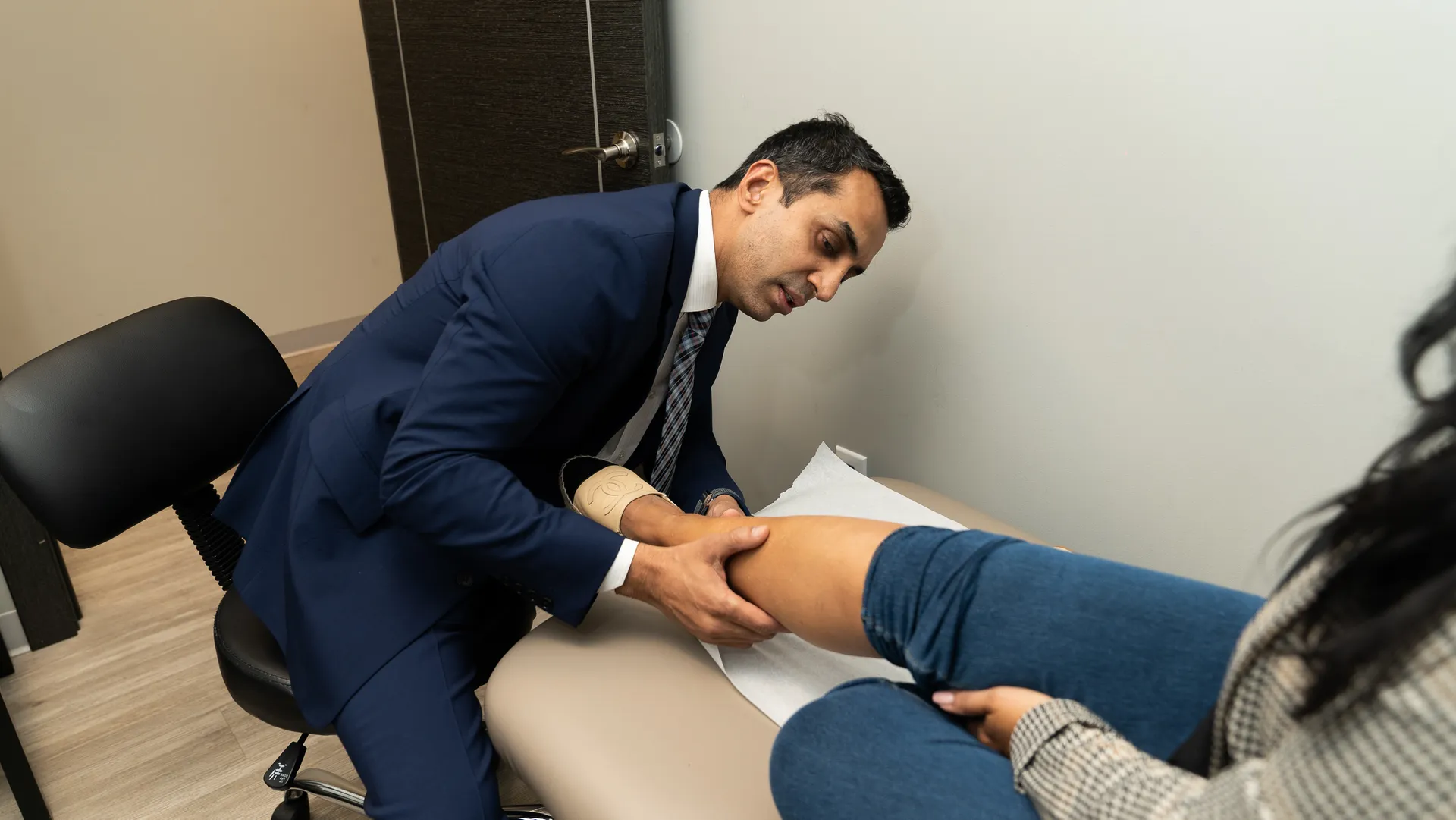
Is Spider Vein Removal Permanent?
Published 2025-09-23
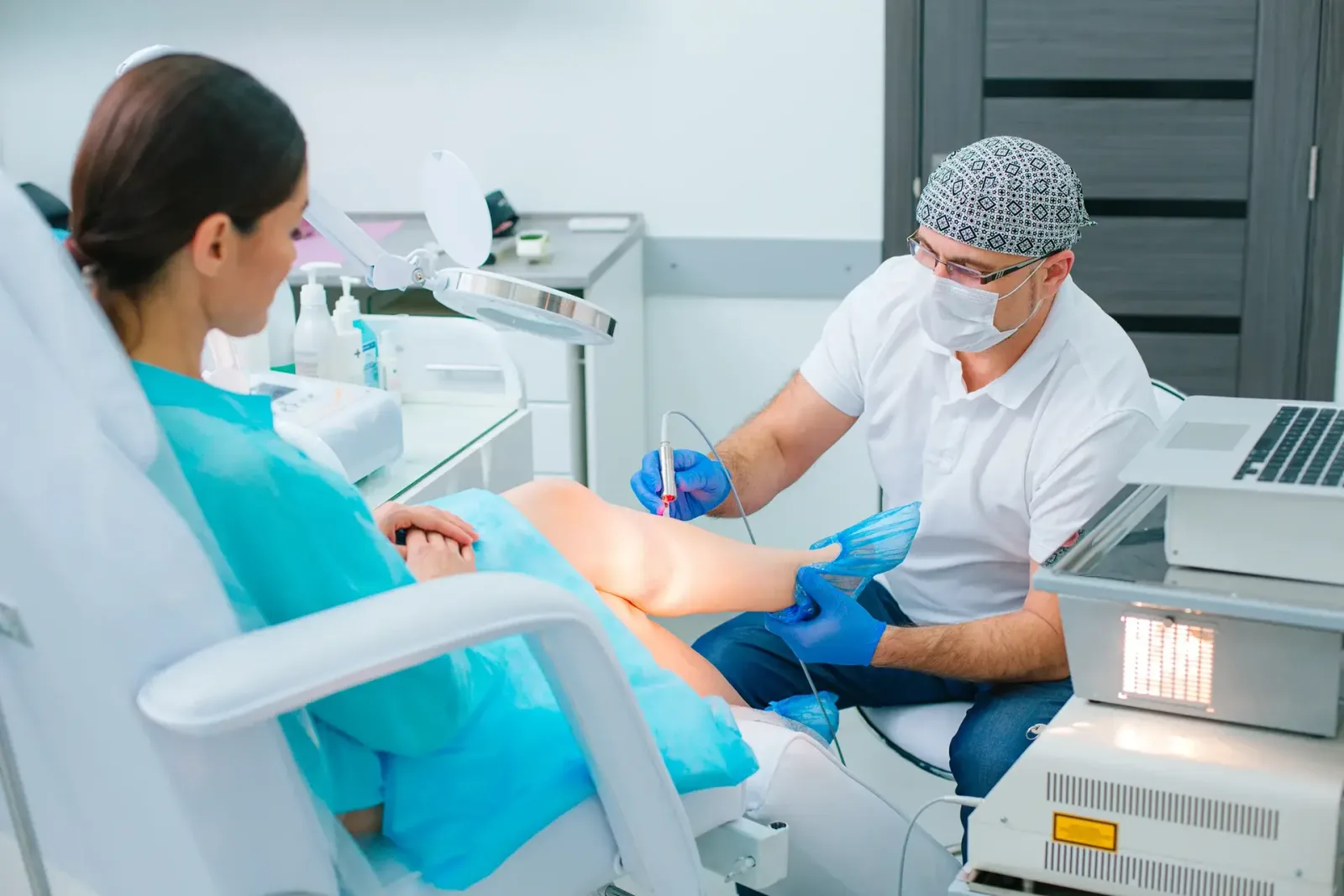
A Guide to Long-Term Vein Health
If you're one of the many New York and New Jersey residents dealing with the appearance of spider veins, you're likely wondering about the permanence of treatment options.
Those small, visible red or blue vessels that appear close to the skin's surface can be both a cosmetic concern and, in some cases, a sign of underlying vascular issues.
The good news? Modern vein treatments offer effective solutions—but just how lasting are the results?
Understanding Spider Veins: A Brief Overview
Before discussing permanence, it's important to understand what spider veins actually are. Spider veins (or telangiectasias) are small, damaged veins that appear close to the surface of the skin. Unlike their larger cousins, varicose veins, spider veins are typically flat and may appear as red, purple, or blue lines that branch out in web-like patterns (hence the name).
In the busy metropolitan areas of New York and New Jersey, where many residents spend long hours standing—whether commuting on the NJ Transit, working in Manhattan's financial district, or serving in one of the region's many restaurants and retail establishments—spider veins are particularly common. The region's hot, humid summers and cold winters can also exacerbate vein issues, as extreme temperatures can affect circulation.
Is Spider Vein Removal Actually Permanent?
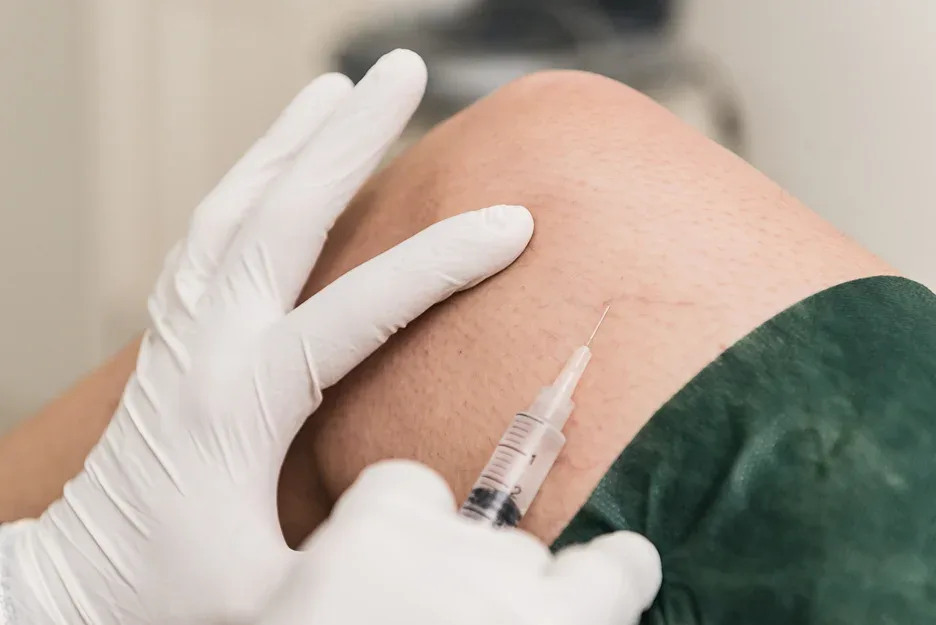
The question of permanence isn't as straightforward as you might hope. Here's what you need to know:
The Truth About Spider Vein Treatments
When you undergo spider vein treatment through sclerotherapy or other methods, the treated veins themselves are permanently removed or closed. However, this doesn't prevent new spider veins from developing in the future.
Think of it this way: if you have a predisposition to developing spider veins due to genetics, lifestyle, or occupation, the underlying factors haven't changed even after successful treatment. This is particularly relevant for residents of New Jersey and New York who may face particular risk factors:
- Long commutes with extended sitting or standing
- High-stress jobs common in the Northeast corridor
- Seasonal weather changes that affect circulation
- Family history (particularly common in certain demographic groups well-represented in the region)
Success Rates of Different Treatments
Different treatment methods offer varying levels of permanence:
1. Sclerotherapy: When performed by skilled specialists like those at Vein Center Doctor, sclerotherapy offers approximately 50-75% improvement after each session. Most patients see their treated spider veins completely fade within a few weeks to months. For complete results, 2-4 sessions may be required.
2. VenaSeal: This cutting-edge VenaSeal treatment uses a medical adhesive to seal off damaged veins. It offers excellent permanence for the specific veins treated. Studies show effectiveness rates of over 90% for treated veins remaining closed three years after the procedure.
3. Complementary Approaches: Venous compression therapy isn't a permanent solution on its own but can significantly enhance and prolong the results of other treatments while improving circulation.
Factors Affecting the Permanence of Spider Vein Removal
Several factors impact how long your results will last after spider vein treatment:
Genetic Predisposition
If spider veins run in your family (which is common among certain populations in the diverse New York and New Jersey communities), you may be more likely to develop new ones even after successful treatment. This doesn't mean treatment isn't worthwhile—it simply means you might need maintenance treatments periodically.
Lifestyle Considerations
The New York and New Jersey lifestyle comes with unique challenges:
- Commuting habits: Whether you're standing on the subway or sitting in traffic on the Garden State Parkway, circulation challenges are common.
- Seasonal activities: From summer beach trips to the Jersey Shore to winter skiing in the Catskills, seasonal activities can impact vein health.
- Professional demands: High-pressure careers common in the region can contribute to vein issues through stress and sedentary habits.
Making lifestyle adjustments can significantly extend the permanence of your treatments. Regular exercise like walking along the Hudson River Waterfront or through Central Park can improve circulation. Elevating legs when possible and avoiding prolonged standing or sitting are also beneficial.
Follow-Up Care
Following your specialist's aftercare instructions is crucial for maximizing the permanence of your results. This typically includes:
- Wearing recommended compression stockings for the specified period
- Attending all follow-up appointments
- Completing the full recommended treatment series
- Implementing preventative measures
The Role of Prevention in Long-Term Results

At Vein Center Doctor, with locations in Clifton, NJ and Ardsley, NY, Dr. Rahul Sood and his team emphasize that prevention plays a key role in maintaining your results. While no treatment can guarantee that new spider veins will never form, a proactive approach can significantly reduce the likelihood:
- Regular exercise: Even brief walks during lunch breaks in places like Bryant Park or along the Palisades can improve circulation.
- Healthy weight management: Utilizing the abundance of farmers markets in places like Union Square or Montclair for fresh, nutritious foods.
- Elevation: Taking advantage of downtime to elevate legs, especially after long days exploring Manhattan or standing at work.
- Compression therapy: Wearing compression stockings when recommended, especially during long flights from JFK, Newark, or LaGuardia airports.
Vein Center Doctor Approach to Lasting Results
At Vein Center Doctor, Dr. Sood takes a comprehensive approach to spider vein treatment that maximizes permanence:
- Thorough diagnosis: Identifying underlying issues that might contribute to recurrence
- Customized treatment plans: Selecting the optimal combination of treatments for your specific condition
- Preventative guidance: Providing personalized advice for maintaining results
- Follow-up care: Monitoring progress and addressing any new developments promptly
This approach has helped thousands of local residents achieve long-lasting results. While new spider veins may eventually develop, many patients enjoy years or even decades of clearer skin after treatment.
Making the Right Choice for Your Vein Health
If you're a New Jersey or New York resident considering spider vein treatment, understanding the permanence factors helps you set realistic expectations. The key takeaway? While the specific veins that are treated won't return, new ones might develop over time depending on your genetics and lifestyle.
For many local residents, the confidence that comes from clear, vein-free skin is well worth periodic maintenance treatments if needed. The latest treatment options offered at Vein Center Doctor provide excellent, long-lasting results with minimal downtime—particularly important for busy professionals in the New York metropolitan area.
If you're ready to address your spider veins with the region's leading specialists, consider scheduling a complimentary consultation with the Vein Center Doctor. With convenient locations in Clifton, NJ and Ardsley, NY, they offer personalized treatment plans designed to provide the most permanent results possible for your unique situation.