Why Won't My Leg Ulcer Heal? Causes of Non-Healing Venous Ulcers
Published 2026-08-10
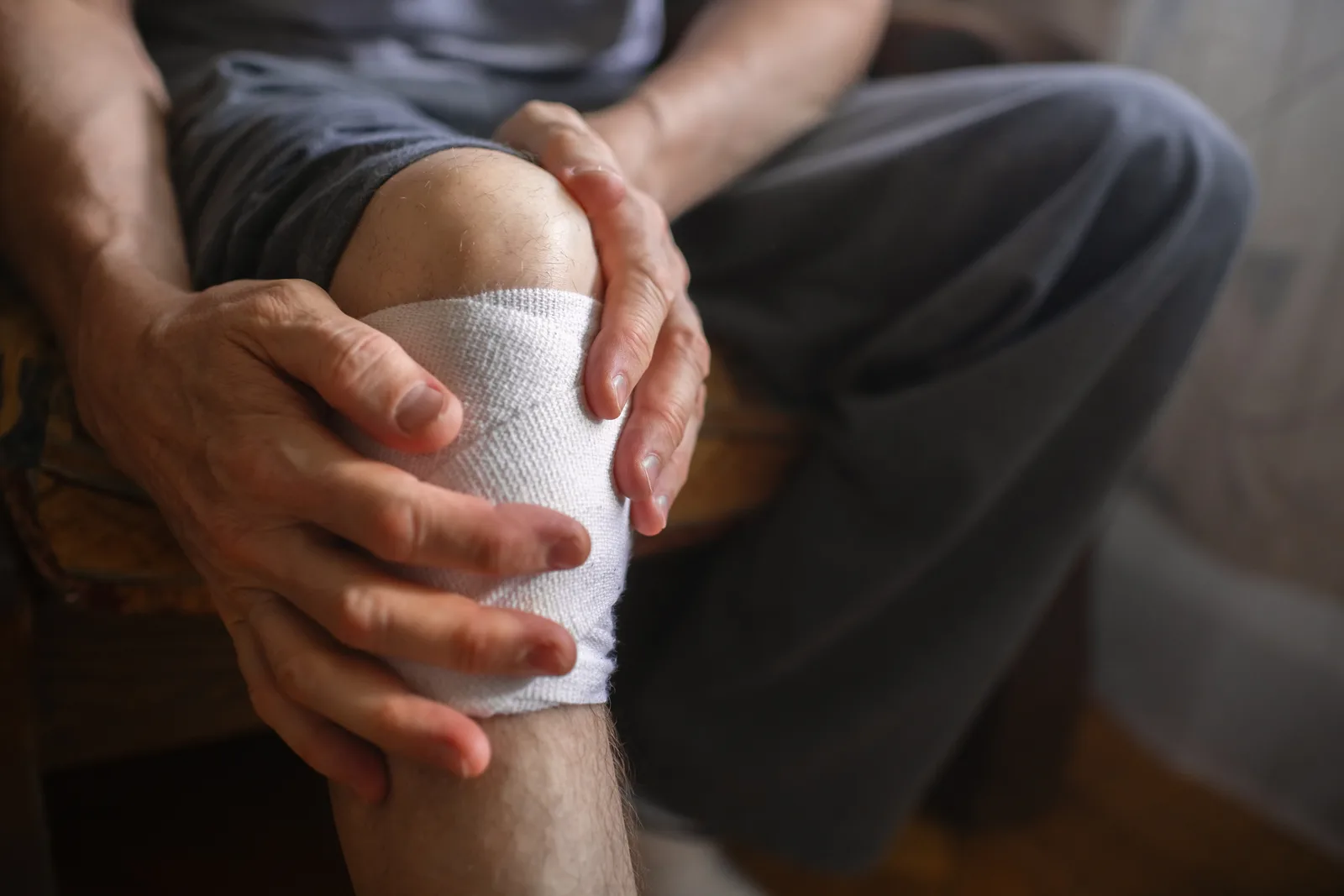
The dressing has been changed for three months now. The wound above your ankle scabs over, then breaks open again, and the nurse keeps saying "it just needs time."
Time is rarely the missing ingredient. A venous leg ulcer that refuses to close is almost always a wound sitting on top of an untreated vein problem, and vein specialists at Vein Center Doctor see the same pattern in patients across New York and New Jersey.
Why Won't My Venous Leg Ulcer Heal?
A venous leg ulcer is an open wound near the ankle caused by chronic venous insufficiency, where failed vein valves let blood pool and pressure build in the lower leg.
That sustained pressure, called ambulatory venous hypertension, starves the skin and keeps the wound open. Until the pressure drops, the ulcer cannot close.
Most venous ulcers heal once that root cause is treated. The ones that linger usually have a fixable reason hiding underneath the dressing.
The Real Reasons a Leg Ulcer Stalls
Wound care treats the surface. A stalled ulcer almost always has a driver the dressing cannot reach. The table below lists the most common reasons venous ulcers refuse to heal:
| Reason | What Is Happening | The Fix |
|---|---|---|
| Untreated venous reflux | Failed valves keep pressure high in the leg | Close the refluxing vein |
| Weak or skipped compression | Nothing counteracts the venous pressure | Graduated compression, worn daily |
| Wound infection or biofilm | Bacteria stall the healing cascade | Debridement and targeted treatment |
| Uncontrolled swelling | Fluid buildup blocks tissue repair | Compression plus elevation |
| Hidden arterial disease | Poor inflow starves the wound | Vascular assessment before compression |
Venous reflux tops that list for a reason. Reflux is the engine. Everything else is a factor that either helps or fights the healing the vein makes possible.
The Pressure Problem Under the Wound
Healthy leg veins carry blood upward against gravity. One-way valves stop it from falling back down.
When those valves fail, blood pools in the lower leg and pressure climbs. That pressure pushes fluid, red blood cells, and inflammatory debris into the skin around the ankle.
The skin pays the price first. It stiffens and darkens into lipodermatosclerosis, a leathery, brown-stained zone above the ankle, and once that skin breaks, the same pressure keeps the wound from sealing. This is why chronic venous insufficiency drives roughly seven of every ten leg ulcers.
When Infection or a Missing Assessment Is the Block
Two other culprits stall wounds that look like they should be closing.
Bacterial biofilm. A thin, invisible layer of bacteria can coat the wound bed and quietly shut down repair. Regular debridement, the removal of dead tissue, disrupts that biofilm and restarts healing.
Undiagnosed arterial disease. Some ulcers have a second problem: poor arterial inflow. Compression is the cornerstone of venous ulcer care, but strong compression on a leg with blocked arteries is dangerous.
That is why an ankle-brachial index, a simple blood-pressure comparison between ankle and arm, comes before heavy compression. The test confirms the arteries can handle it.
Warning Signs Your Ulcer Needs Urgent Review
A slow ulcer is frustrating. A worsening ulcer is a signal.
Contact a vein specialist promptly if you notice:
- Spreading redness, swelling, or warmth around the wound, which can signal cellulitis.
- Green or yellow drainage, foul odor, or a sudden jump in pain.
- A wound that grows larger despite weeks of consistent dressing changes.
- New wounds appearing elsewhere on the same leg.
Seek same-day care for fever, chills, or a rapidly expanding red border. An infected leg ulcer can escalate into a deeper tissue infection.
As a benchmark, a venous ulcer that has not shrunk meaningfully after four weeks of proper care needs a specialist reassessment, not another month of the same dressing.
How Vein Specialists Get a Stalled Ulcer to Close
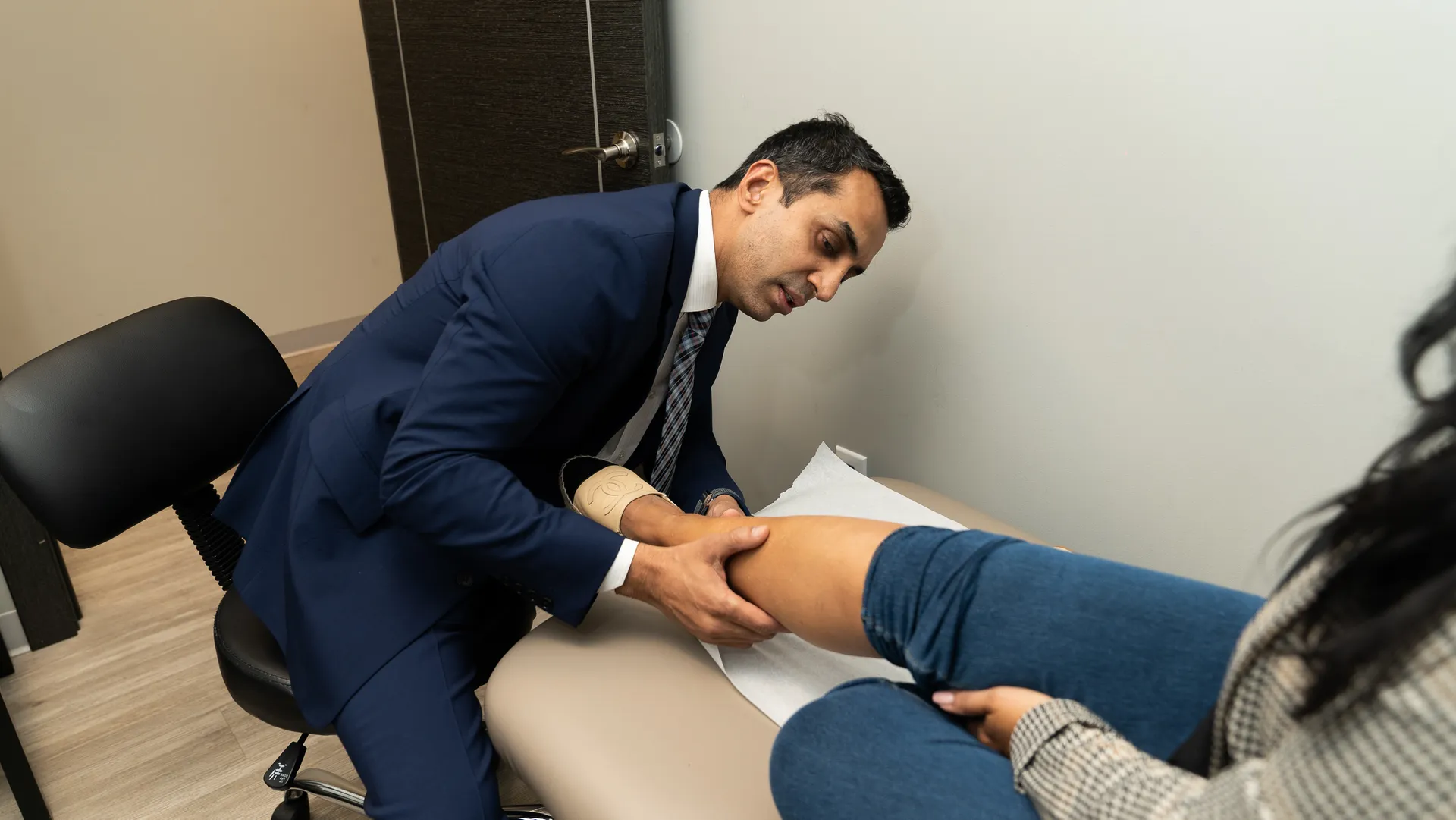
At Vein Center Doctor, healing starts by finding the pressure source, not just redressing the wound.
Duplex ultrasound maps exactly which valves have failed and where blood is refluxing. That map turns a stalled wound into a treatable vein problem.
The healing plan then works on two fronts at once:
- Graduated compression therapy to lower venous pressure and control swelling, once arterial flow is confirmed safe.
- Active wound care, including debridement and dressings matched to the wound stage.
- Treating the refluxing vein that created the pressure in the first place.
Closing the source vein is what breaks the cycle. Radiofrequency ablation seals the failing saphenous vein with heat, while VenaSeal closes it using medical adhesive. Early treatment of the underlying vein speeds healing and sharply lowers the chance the ulcer returns.
Finally, a plan that treats the vein driving the wound instead of waiting out one dressing after another.
Keeping the Ulcer From Coming Back
A healed venous ulcer has a high recurrence rate when the vein disease is left in place. The skin closed, but the pressure did not.
Daily compression is the single most effective habit after healing. Prescribed stockings keep venous pressure low through long days on your feet.
And treat the underlying reflux. A leg that has already produced one ulcer has proven its veins are failing, and sealing the source vein removes the pressure that would open the skin again.
Schedule a Free Vein Screening
Vein Center Doctor offers free vein screenings at 12 locations across New York and New Jersey. A board-certified vein specialist maps your veins with duplex ultrasound, identifies the reflux behind a stalled ulcer, and builds a plan to close the wound for good.
Schedule your free screening today or call (914) 274-4412. Same-week appointments are available at offices from Ardsley to Edison.