Venous Leg Ulcers: Causes, Treatment, and Healing
Published 2026-06-22
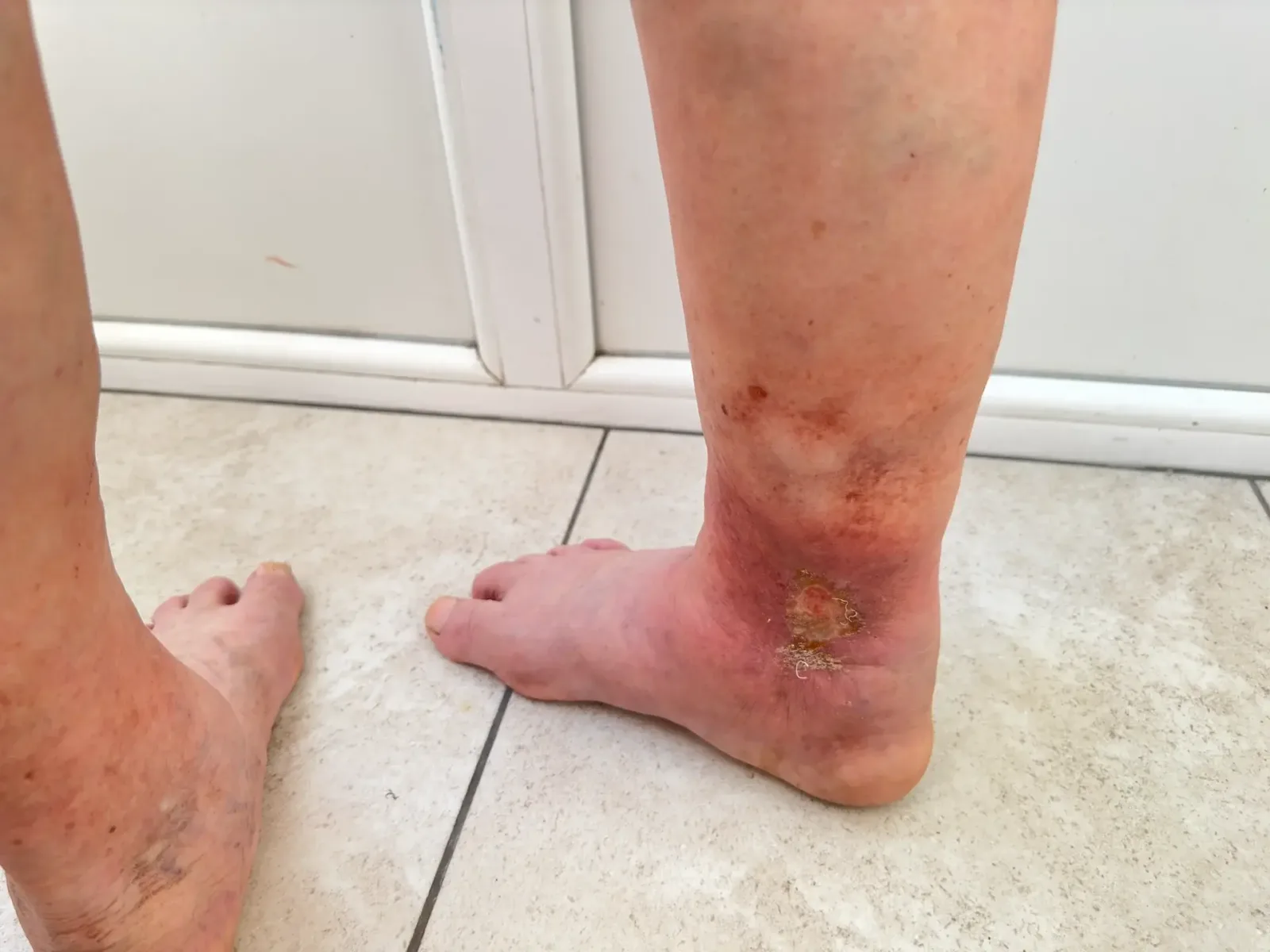
A small wound appeared on your lower leg several weeks ago. It started as a shallow scrape near the inner ankle, barely worth a bandage. But the skin hasn't closed. The area around it has darkened, the edges look ragged, and a dull ache settles in by evening.
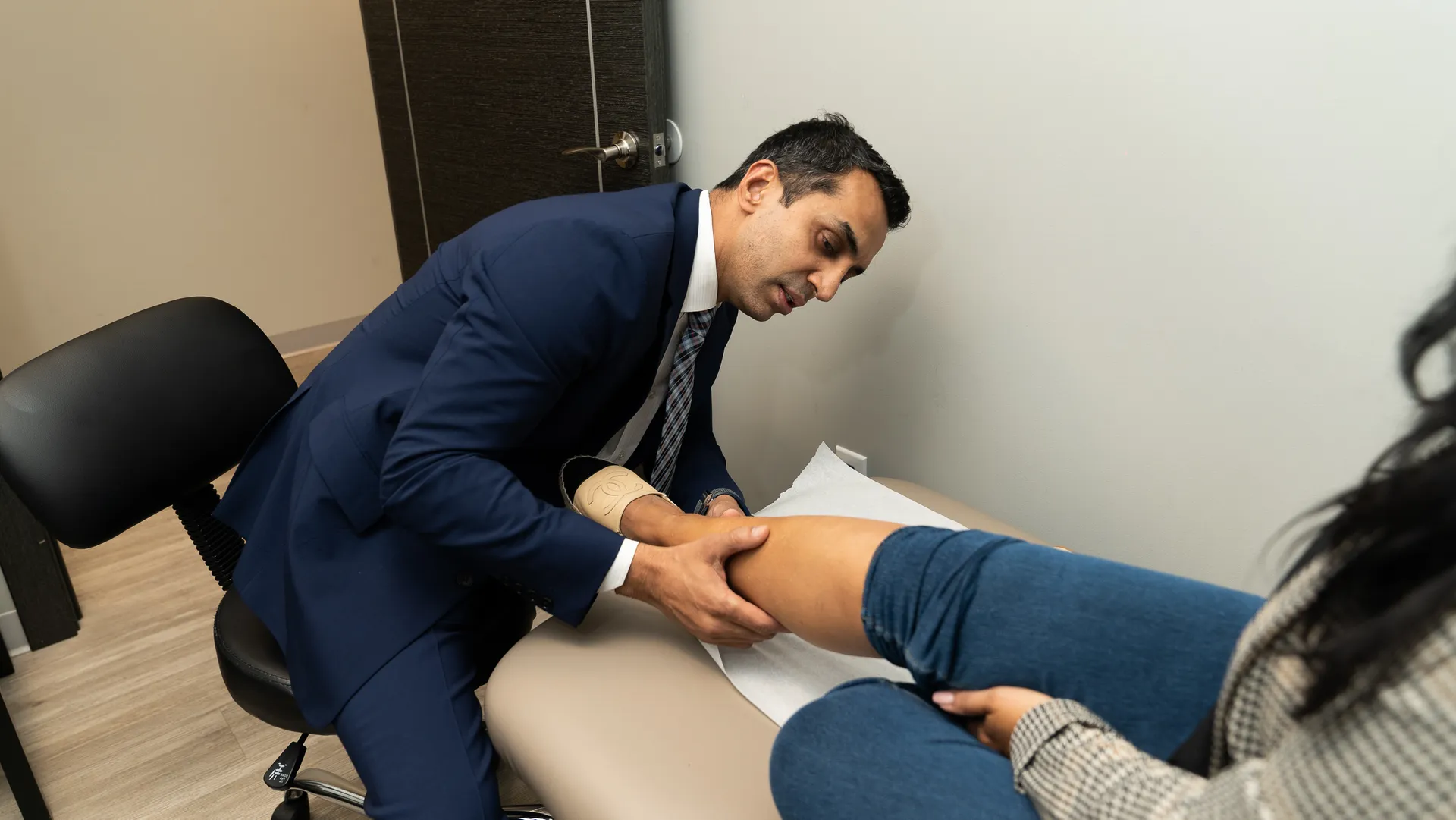
That wound has a clinical name. Vein specialists at Vein Center Doctor across New York and New Jersey recognize it as a venous leg ulcer — and treating the wound alone, without addressing the vein disease underneath, is the most common reason these ulcers fail to heal.
What Is a Venous Leg Ulcer?
A venous leg ulcer is an open, slow-healing wound on the lower leg caused by chronic venous insufficiency — a condition in which damaged vein valves allow blood to flow backward and pool in the lower extremities. The sustained venous pressure damages skin tissue, eventually breaking it down into an ulcer that resists healing through standard wound care alone. Venous leg ulcers account for approximately 70-80% of all chronic lower-extremity wounds.
These wounds differ from arterial ulcers and diabetic foot ulcers in both their location and their underlying mechanism. Arterial ulcers typically appear on the toes or foot and result from insufficient blood supply. Venous ulcers develop between the knee and ankle — most often near the inner ankle bone — and result from too much pressure in the veins, not too little blood flow.
What Causes Venous Leg Ulcers?
The pathway from healthy veins to an open wound follows a predictable sequence. Understanding each stage explains why wound care without vein treatment produces temporary results.
Stage 1: Valve failure. Vein valves are one-way gates that keep blood moving upward toward the heart. When these valves weaken or fail — from age, genetics, pregnancy, prolonged standing, or prior deep vein thrombosis — blood reverses direction. That reversal is called venous reflux.
Stage 2: Venous hypertension. Refluxing blood accumulates in the lower leg. The accumulated blood increases pressure inside the superficial and deep veins. This elevated pressure, sustained over months or years, is venous hypertension.
Stage 3: Skin and tissue damage. Venous hypertension forces fluid, proteins, and red blood cells out of the capillaries and into the surrounding tissue. The leaked hemoglobin breaks down into hemosiderin, staining the skin a dark brown. The tissue becomes fibrotic and inflamed — a condition called lipodermatosclerosis that makes the lower leg feel woody and tight.
Stage 4: Ulceration. The damaged, oxygen-starved skin loses its ability to repair itself. A minor scratch, insect bite, or bump that would heal in days on healthy skin becomes an open wound that persists for weeks, months, or longer. The ulcer is the final consequence of untreated chronic venous insufficiency.
Signs You May Have a Venous Leg Ulcer
Not every wound on the lower leg is a venous ulcer. Specific characteristics help distinguish venous ulcers from other wound types.
Location. Venous ulcers develop between the knee and ankle, with a strong predilection for the medial (inner) ankle region. A wound on the toes or the top of the foot is more likely arterial in origin.
Appearance. The ulcer base is typically shallow, moist, and reddish. The wound edges are irregular and often slightly raised. The surrounding skin frequently shows brown or reddish-brown discoloration from hemosiderin deposits — the visible evidence of long-standing venous pressure.
Associated symptoms. Patients often report leg heaviness, aching, and swelling that worsens through the day and improves overnight. Visible varicose veins or spider veins may be present on the same leg. The skin around the wound may feel itchy, tight, or warm.
Duration. The defining feature is persistence. A wound that remains open for more than two weeks despite basic wound care — cleaning, bandaging, keeping it dry — warrants evaluation by a vein specialist. Most venous ulcers have been present for months by the time patients seek specialized care.
How Vein Specialists Treat Venous Leg Ulcers
Effective treatment targets both the wound and the vein disease producing it. Treating one without the other is why many patients cycle through months of wound care without resolution.
Wound Management
Proper wound care creates the environment for healing while the underlying venous disease is addressed.
Debridement removes dead tissue and wound debris that impede new cell growth. Specialized wound dressings — foam, alginate, or hydrofiber — maintain moisture balance and protect the ulcer from infection. Compression wraps applied over the dressing reduce venous pressure at the wound site, the single most important local intervention for venous ulcer healing.
Vein Center Doctor coordinates wound management protocols alongside definitive vein treatment, ensuring both surfaces of the problem receive attention simultaneously.
Treating the Underlying Vein Disease
This is where lasting healing begins. Without correcting the venous reflux that created the ulcer, recurrence rates exceed 70%. With definitive vein treatment, that rate drops dramatically.
Radiofrequency ablation (RFA) delivers thermal energy through a thin catheter to seal the incompetent saphenous vein. The procedure takes approximately 45 minutes, requires only local anesthesia, and patients return to normal activity the same day. By eliminating the primary reflux pathway, RFA reduces the venous pressure driving the ulcer.
VenaSeal uses a medical-grade adhesive to close the damaged vein without heat or tumescent anesthesia. The procedure is particularly suited to patients who prefer to avoid thermal energy or who cannot tolerate compression immediately after treatment.
Ultrasound-guided sclerotherapy treats smaller tributary veins feeding into the ulcer area. A sclerosant solution injected under ultrasound guidance collapses the dysfunctional vessel, redirecting blood into healthy veins.
Finally — a specialist who treats the vein disease behind the wound, not just the wound itself.
The Healing Timeline
Patients understandably want to know how long recovery takes. The answer depends on ulcer size, duration, and the severity of the underlying venous disease.
Small ulcers (under 5 cm²) treated within the first three months often heal within 8 to 12 weeks once compression and vein treatment begin. Blood flow improves within days of the vein procedure. Wound contraction follows as the tissue receives adequate oxygen and nutrient delivery.
Larger or long-standing ulcers may require 12 to 24 weeks. Ulcers that have been open for over a year carry more fibrotic tissue, which slows cellular regeneration. Even in these cases, patients typically notice wound size reduction within the first four weeks of combined compression and vein treatment.
Vein Center Doctor monitors healing progress through scheduled follow-up visits, adjusting wound care protocols and compression levels as the ulcer contracts. The goal is complete wound closure with no recurrence.
Preventing Venous Leg Ulcer Recurrence
A healed ulcer is not a cured condition. Without ongoing management, the same venous insufficiency that produced the first ulcer can produce another.
Wear compression daily. Graduated compression stockings at 20-30 mmHg or higher — prescribed by your vein specialist — maintain the venous pressure reduction achieved through treatment. Daily compression is the single most effective recurrence prevention measure.
Stay active. Walking activates the calf muscle pump, which drives venous blood upward and prevents the pooling that leads to tissue breakdown. Thirty minutes of walking daily provides measurable venous benefit.
Attend follow-up screenings. Venous disease is progressive. New reflux patterns can develop in previously healthy vein segments. Annual duplex ultrasound screening at Vein Center Doctor identifies changes before they produce symptoms or new wounds.
Protect your skin. The skin over a healed ulcer remains more fragile than surrounding tissue. Moisturize daily to prevent cracking. Avoid trauma to the lower legs. Address even minor wounds promptly with appropriate dressing and compression.
Even if a previous wound healed on its own, a vein screening identifies whether the underlying venous anatomy has deteriorated — and whether the next wound could take longer to close.
Schedule a Free Vein Screening
Vein Center Doctor offers free vein screenings at 12 locations across New York and New Jersey. Board-certified vein specialists evaluate the venous circulation in your legs, identify the source of non-healing wounds, and recommend a treatment plan — all during a single visit.
Schedule your free screening today or call (914) 274-4412. Offices span from Ardsley and Poughkeepsie in New York to Clifton, Edison, and Jersey City in New Jersey.