Venous Leg Ulcer Warning Signs: Skin Changes That Appear Before an Open Wound
Published 2026-07-09
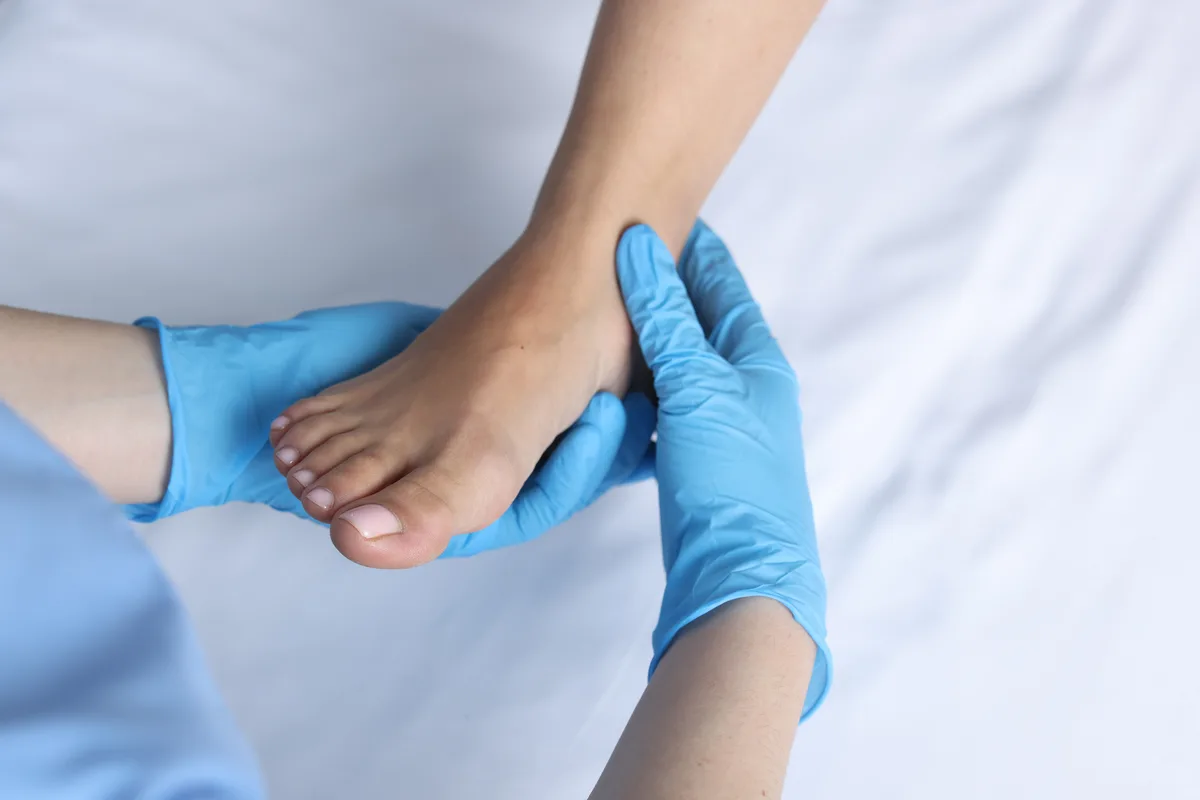
The skin just above your ankle has turned a rusty, reddish brown. It itches at night, your sock leaves a deeper dent than it used to, and a patch near the inner ankle bone feels tight and tender.
None of that is "just dry skin." Vein specialists at Vein Center Doctor read those exact changes as a countdown — the skin's warning system announcing that a venous leg ulcer is trying to form.
What Is Venous Stasis Dermatitis?
Venous stasis dermatitis is an inflammatory skin condition caused by chronic venous hypertension — sustained high pressure inside the leg veins. Pooling blood forces fluid and iron-rich red blood cells out of the vessels and into the skin, producing brown discoloration, itching, and swelling. It is the most common precursor to venous leg ulcers.
The pressure itself comes from failed one-way valves. When valves in the saphenous veins stop closing, blood flows backward — a condition called chronic venous insufficiency — and the full weight of that blood column lands on the smallest vessels at the ankle.
Four Skin Changes That Appear Before an Ulcer Opens
The progression follows a recognizable sequence. The table below lists the four warning stages in the order they typically appear:
| Warning Sign | What It Looks Like | What It Means |
|---|---|---|
| Hemosiderin staining | Rust-brown or purple patches above the ankle | Red blood cells are leaking into the skin and breaking down |
| Stasis dermatitis | Red, itchy, flaky, or weeping skin | Chronic inflammation has reached the skin layer |
| Lipodermatosclerosis | Hard, tight, woody skin; the lower leg narrows like an inverted bottle | The fat layer beneath the skin is scarring |
| Atrophie blanche | Smooth, white, scar-like patches | Local capillaries have closed off; this skin is fragile |
Each stage narrows the margin. Skin with lipodermatosclerosis, the hardening of the fat layer beneath the skin, can break open after an insect bite, a scratch, or a bump that healthy skin would shrug off.
That break is the ulcer. Once the surface opens, average healing time stretches to three to six months — which is why vein specialists focus on the weeks before.
The Gaiter Zone: Where Warning Signs Cluster
Venous skin changes concentrate in the gaiter zone, the band of skin between the mid-calf and just below the ankle bone. Standing upright, this zone carries the highest venous pressure anywhere in the body.
The inner ankle is the classic starting point. Pressure from a refluxing great saphenous vein lands directly on the skin over the inner ankle bone, so discoloration usually shows there first.
Check both legs monthly. Compare skin color side by side, feel for areas turning firm or tender, and press a fingertip above each ankle — a dent that lingers means fluid is accumulating.
Who Faces the Highest Risk
Certain histories load the dice heavily.
Patients with visible varicose veins already have documented reflux feeding the gaiter zone. A prior deep vein thrombosis raises risk further, because the clot often leaves permanently damaged valves behind.
Standing occupations hold venous pressure high for hours at a stretch. Teachers, nurses, warehouse staff, and salon workers report ankle skin changes years earlier than desk-based peers with the same vein anatomy.
Obesity and age past 50 compound every factor above. Extra abdominal pressure resists venous return, and vein walls lose elasticity with each decade.
Even if your only symptom is evening ankle swelling that vanishes by morning, that pattern is early venous hypertension announcing itself.
How Vein Specialists Evaluate Pre-Ulcer Skin Changes
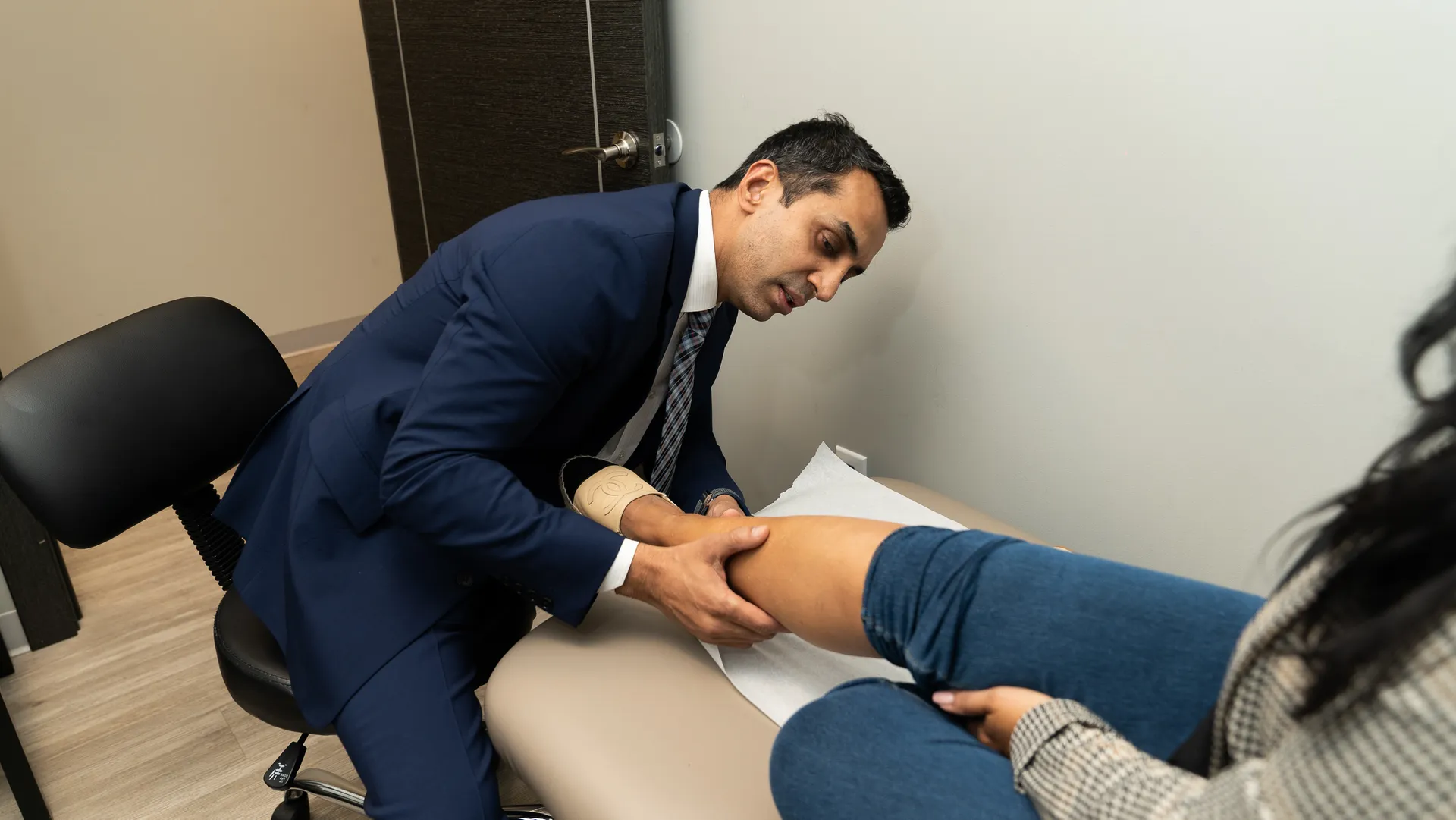
At Vein Center Doctor, evaluation is a structured 30-minute visit — not a wait-and-see referral loop.
Duplex ultrasound maps which valves leak and how much blood flows backward. The specialist measures reflux duration in each vein segment; backward flow lasting longer than half a second is abnormal.
CEAP staging. Skin findings are graded on the CEAP scale, the international classification for chronic venous disease. Visible skin changes place a leg at stage C4, one step below an active ulcer. Staging tells the specialist how aggressively to treat.
The result is a same-visit plan: which veins to close, what compression to wear, and how to protect the skin while pressure comes down.
Stopping the Progression Before the Skin Breaks
Reversing venous hypertension is the entire game. Skin cannot heal while pressure stays high — and it rarely breaks down once pressure is corrected.
- Graduated compression therapy at 20-30 mmHg controls pressure immediately while definitive treatment is planned.
- Radiofrequency ablation seals the refluxing saphenous vein through a needle-sized entry point.
- VenaSeal closes the vein with medical adhesive — no heat and no compression stockings required afterward.
- Ultrasound-guided sclerotherapy treats the smaller tributary veins feeding the gaiter zone.
Each procedure is outpatient with same-day walking. Closing the refluxing vein removes the pressure source, so hemosiderin staining stops spreading, dermatitis calms, and the ulcer never gets its opening.
Without correcting the reflux underneath, even diligent skin care fights a losing battle against simple physics.
Finally — vein care that treats the pressure behind the skin damage, not another prescription cream for the symptom on top of it.
Schedule a Free Vein Screening
Brown staining, nighttime itching, or hardening skin above your ankle deserves an ultrasound this month — not after the skin opens.
Vein Center Doctor offers free vein screenings at 12 locations across New York and New Jersey. A board-certified vein specialist stages your skin changes, maps the reflux behind them, and builds a plan to stop the progression in a single visit.
Schedule your free screening today or call (914) 274-4412. Same-week appointments are available at offices from Ardsley to Edison.