Are Spider Veins a Sign of Heart Disease?
Published 2025-09-23
Understanding the Connection Between Vein Health and Your Heart
If you've noticed those small, web-like purple or red veins appearing on your legs or face, you might be wondering if they're merely a cosmetic concern or something more serious. As a resident of New York or New Jersey, where busy lifestyles and long commutes often mean extended periods of sitting or standing, this question becomes particularly relevant. Many people in our region ask: are spider veins a sign of heart disease?
While spider veins and cardiovascular issues both involve the vascular system, the relationship between them isn't always straightforward. This article will explore the connection between spider veins and heart health, what causes these visible veins, and what treatment options are available right here in the New York and New Jersey area.
Understanding Spider Veins: Causes and Concerns
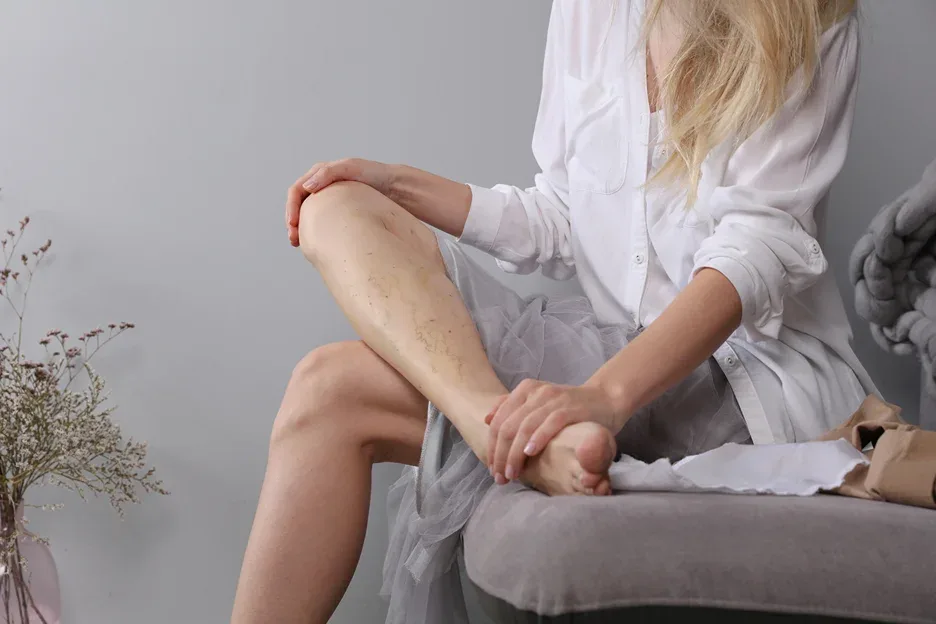
Spider veins (medically known as telangiectasias) are small, damaged veins that appear close to the surface of the skin. They typically look like spider webs or tree branches and are commonly found on the legs and face. Unlike their larger cousins, varicose veins, spider veins are usually flat against the skin rather than raised.
What Causes Spider Veins?
Several factors can contribute to the development of spider veins, many of which are particularly relevant to life in the New Jersey and New York metropolitan area:
- Prolonged standing or sitting: Common for professionals commuting into Manhattan or working desk jobs
- Genetics: Family history plays a significant role
- Age: Veins naturally lose elasticity over time
- Hormonal changes: Including pregnancy and menopause
- Obesity: Puts additional pressure on veins
- Sun exposure: Particularly relevant during summers at the Jersey Shore or Long Island beaches
- Injury or trauma: Can damage veins and lead to spider vein formation
For many residents of bustling areas like Jersey City, Clifton, or White Plains, lifestyle factors like long commutes and office work can exacerbate these conditions.
The Connection Between Spider Veins and Heart Disease
The direct question many patients ask is whether spider veins indicate underlying heart problems. Here's what you need to know:
Spider Veins Are Not Usually Direct Indicators of Heart Disease
Spider veins typically develop due to issues with the valves in your veins, not because of heart problems. They occur when one-way valves that prevent blood from flowing backward become weakened or damaged, causing blood to pool in certain areas. This is a local circulation issue rather than a problem with the heart itself.
However, there's an important distinction to make here. While spider veins themselves don't cause heart disease, they can sometimes indicate broader vascular health concerns that are worth addressing.
When to Be Concerned: Shared Risk Factors
Some risk factors for spider veins overlap with risk factors for heart disease, including:
- Poor circulation: Can affect both venous and arterial systems
- Sedentary lifestyle: Common in the fast-paced yet desk-bound NY or NJ metropolitan area
- Obesity: Increases pressure on veins and is a risk factor for heart disease
- Family history: Genetics can influence both conditions
If you're experiencing spider veins along with symptoms like leg swelling, pain, or changes in skin color and texture, it may indicate a more significant vascular condition known as chronic venous insufficiency. This condition, while not heart disease, does warrant medical attention.
Beyond Spider Veins: When to Seek Medical Advice
Residents of New York and New Jersey should consider consulting a vein specialist if they notice:
- Spider veins accompanied by pain or discomfort
- Significant swelling in the legs or ankles
- Skin changes around the affected area
- Development of sores or ulcers that don't heal properly
- A family history of serious vascular problems
These symptoms could indicate more serious venous conditions that require treatment. With the high-stress lifestyle many lead in the New York metropolitan area, paying attention to these warning signs is particularly important.
Treatment Options for Spider Veins in New York and New Jersey
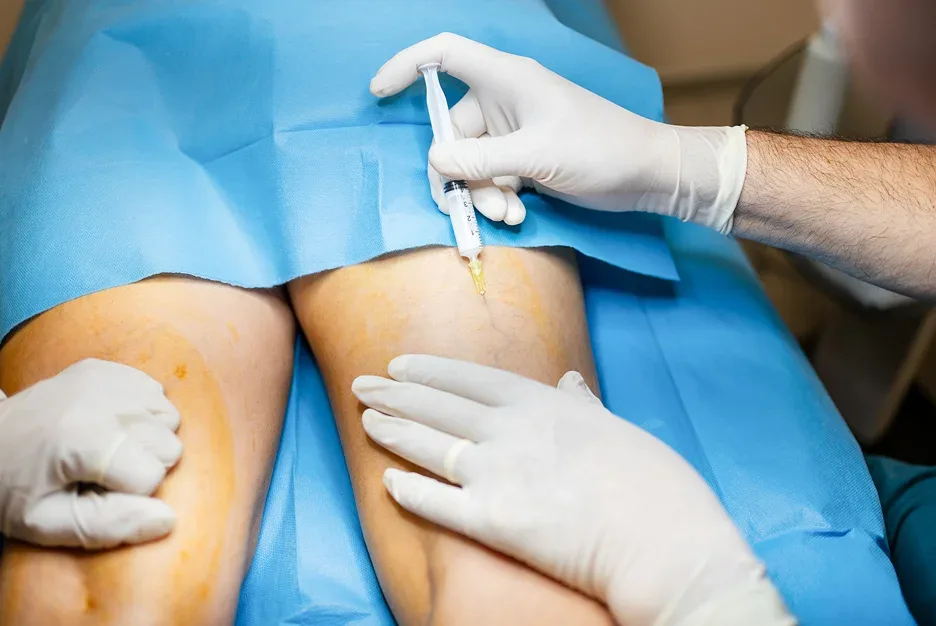
Fortunately for residents of New York and New Jersey, several effective, minimally-invasive treatments for spider veins are available right in your area.
Sclerotherapy: The Gold Standard for Spider Vein Treatment
Sclerotherapy is one of the most popular and effective treatments for spider veins. During this procedure, a special solution is injected directly into the affected veins, causing them to collapse and eventually fade from view. The blood is naturally redirected to healthier veins.
This procedure is:
- Minimally invasive with no surgery required
- Usually completed in 30 minutes or less
- Associated with minimal downtime
- Particularly effective for spider veins on the legs
VenaSeal: Advanced Treatment for Underlying Vein Issues
For patients whose spider veins are caused by more significant vein problems, VenaSeal offers an innovative solution. This FDA-approved procedure uses a medical adhesive to seal off damaged veins that might be contributing to the appearance of spider veins.
VenaSeal is particularly beneficial because:
- It requires minimal recovery time
- Patients can resume normal activities almost immediately
- No compression stockings are needed afterward
- It effectively addresses the root cause of venous issues
Venous Compression Therapy: Supporting Vein Health
Venous Compression Therapy is another valuable treatment option that can improve circulation and help manage existing spider veins. This therapy involves wearing specially designed compression garments that apply gentle pressure to improve blood flow in the legs.
For busy New Yorkers and New Jersey residents who spend long hours commuting or working at desks, compression therapy can be particularly beneficial as both a treatment and preventive measure.
Protecting Your Vascular Health in New York and New Jersey
Living in the New York and New Jersey area presents unique challenges for vascular health. Here are some region-specific tips to keep your veins healthy:
- Move regularly during long commutes: If you're taking the NJ Transit or Metro-North into the city, try to stand and stretch periodically
- Consider standing desks: Popular in many Manhattan and Jersey City offices
- Take walking breaks: Even a short walk around Bryant Park or along the Hudson River Waterfront Walkway during lunch can improve circulation
- Stay hydrated: Especially important during humid New York summers
- Elevate your legs: After a long day of walking around the city or standing at work
- Maintain a healthy weight: Take advantage of the many parks and fitness options throughout New York and New Jersey
Expert Vein Care at Vein Center Doctor
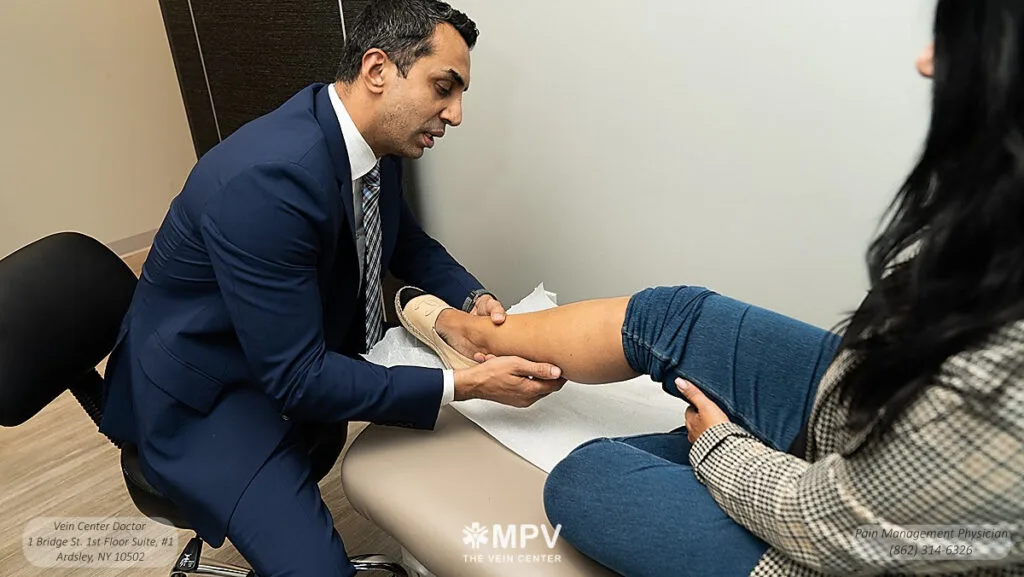
At Vein Center Doctor, we understand the specific vascular health challenges faced by residents of New York and New Jersey. Our team, led by Dr. Rahul Sood, specializes in diagnosing and treating all types of venous conditions, from cosmetic spider veins to more serious vascular issues.
With convenient locations in Clifton, NJ and Ardsley, NY, we provide personalized care using the latest minimally-invasive techniques. Our approach focuses on not just treating the visible symptoms but addressing the underlying causes of your venous conditions.
Conclusion: Taking Charge of Your Vein Health
While spider veins themselves aren't typically a sign of heart disease, they do warrant attention as potential indicators of overall vascular health. For residents of New York and New Jersey, where lifestyle factors can impact vein health, being proactive about treatment and prevention is especially important.
If you're concerned about spider veins or other vascular issues, consider scheduling a free consultation with the specialists at Vein Center Doctor. Our team can evaluate your specific situation, answer your questions about the relationship between spider veins and overall cardiovascular health, and recommend the most appropriate treatment options for your needs.
Don't let vein concerns affect your quality of life in the vibrant New York and New Jersey region. With proper care and treatment, you can address both the cosmetic and health aspects of spider veins and maintain optimal vascular health for years to come.