Vitamin C Cream for Spider Veins: What a Vein Specialist
Published 2025-09-23

The search for clear, healthy-looking skin often leads people down a path of exploring countless products and remedies. If you're bothered by the fine, web-like patterns of spider veins on your legs or face, you've likely come across a promising solution: vitamin C cream.
It’s a popular ingredient in skin care, known for its brightening and anti-aging effects. But can it really be the answer to treating and preventing those visible veins?
As vein specialists, we encounter this question frequently from patients hoping for a simple, non-invasive fix. The desire for an effective, at-home treatment is completely understandable. That's why we're here to provide an evidence-based look at the role of vitamin C cream for spider veins.
Understanding Spider Veins: More Than Just a Cosmetic Issue
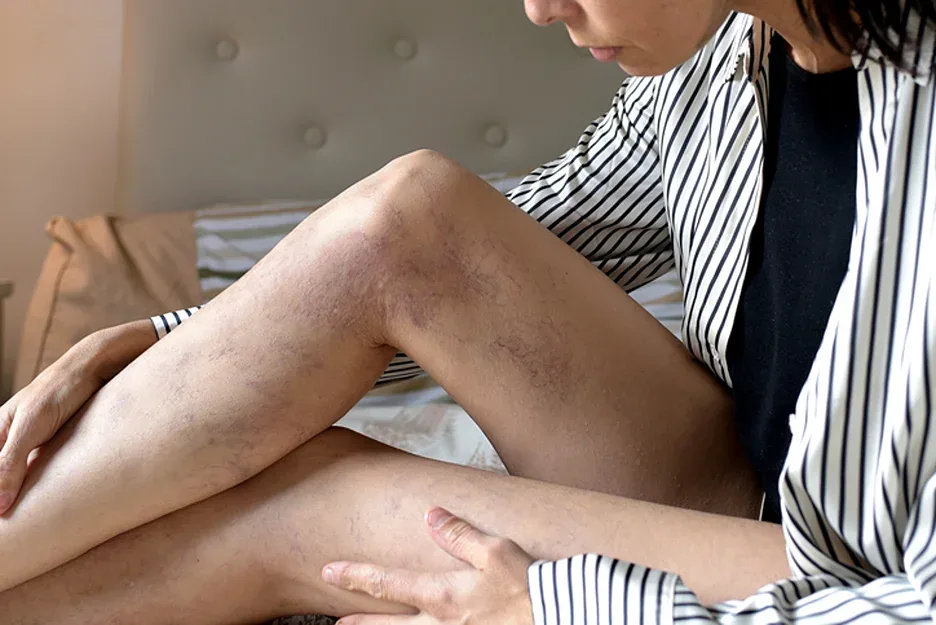
Before we can discuss treatments, it’s important to understand what spider veins are. Known medically as telangiectasias, spider veins are small, damaged blood vessels that become visible on the surface of the skin. They often appear as a cluster of thin red, blue, or purple lines that resemble a spider's web or a tree branch, most commonly on the legs and face.
When they appear on the face, they are often referred to as broken capillaries. While they are usually harmless, their appearance can be a significant cosmetic concern for many people.
What Causes Spider Veins?
Several factors can contribute to the development of spider veins:
- Genetics: A family history is one of the strongest predictors.
- Hormonal Changes: Puberty, pregnancy, and menopause can play a role.
- Sun Damage: UV radiation can damage the skin and superficial blood vessels, especially on the face.
- Pressure: Standing or sitting for long periods can increase pressure in the veins of the legs.
- Other Conditions: Certain medical conditions or injuries can also be a cause.
It's also crucial to distinguish spider veins from varicose veins. While related, varicose veins are much larger, deeper, and may appear as raised, bulging, or twisted cords under the skin. Varicose veins are more likely to cause physical symptoms like pain or swelling and can sometimes indicate an underlying issue with blood circulation. A proper diagnosis is key to finding the right treatment.
The Potential Role of Vitamin C in Vein Health
Vitamin C, or ascorbic acid, is a powerhouse nutrient essential for our overall health. Its benefits are well-documented, from boosting the immune system to protecting our cells. When it comes to skin and vein health, its functions are particularly relevant.
Building Stronger Blood Vessels with Collagen
One of vitamin C’s most critical roles is its function in synthesizing collagen. Collagen is the most abundant protein in the human body, providing structure and strength to our skin, bones, and, importantly, our blood vessel walls.
Healthy, resilient vein walls are better able to withstand pressure and resist damage. In theory, ensuring your body has enough vitamin C could help maintain the integrity of these walls. By supporting robust collagen production, vitamin C contributes to overall skin health and may help fortify the very structures that can become spider veins when weakened.
Antioxidant Power to Combat Damage
Vitamin C is also a potent antioxidant. This means it helps neutralize free radicals—unstable molecules that cause oxidative stress and damage our cells. This damage is a key factor in skin aging and can be caused by environmental factors like pollution and, most significantly, sun exposure.
By fighting this damage, vitamin C helps protect the skin. This antioxidant protection is a cornerstone of good skin care and can help maintain the health and appearance of the skin where spider veins might otherwise form, particularly on the face.
So, Can Vitamin C Cream Actually Treat Existing Spider Veins?

This is the central question. We know vitamin C is good for our body and skin health. But does applying it topically in a cream translate to an effective treatment for the spider veins you can already see?
The Honest Answer: There is currently no significant scientific evidence to suggest that a topical vitamin C cream can get rid of or reverse existing spider veins.
The reason lies in the nature of the problem. A spider vein is a structurally damaged and dilated blood vessel. It's a plumbing issue, not just a surface-level skin discoloration. For a treatment to be effective, it must either repair or close off this damaged vessel. A cream applied to the skin surface is highly unlikely to penetrate deeply enough and in a high enough concentration to accomplish this structural change within the vein wall.
What a Vitamin C Cream Can Do
While it may not be a magic eraser for spider veins, a high-quality vitamin C cream is not without its benefits for the skin. Here’s what you can realistically expect:
- May Help Reduce Appearance: Vitamin C can help even out skin tone and reduce general redness. By improving the health and brightness of the surrounding skin, it can make the fine lines of spider veins appear less noticeable.
- May Help Improve Skin Resilience: By promoting collagen and fighting sun damage, regular use of vitamin C cream can improve your skin’s overall health. This may help prevent some new, sun-induced broken capillaries from forming on the face.
- Offers Complementary Skin Care: It can be an excellent part of a broader skin care routine aimed at keeping your skin healthy and protected, which is always beneficial for vein health.
Think of vitamin C cream as a supportive player, not the primary treatment. It helps improve the look of the canvas (your skin) but doesn't fix the flaw underneath.
Managing Expectations: What is the Best Treatment for Spider Veins?
If creams won't solve the problem, what will? Fortunately, there are highly effective, clinically proven medical treatments available that directly target and eliminate spider veins.
Gold Standard Medical Treatments
For patients who want to effectively treat spider veins, we recommend considering one of these medical procedures:
- Sclerotherapy: This is often considered the best treatment for spider veins on the legs. A specialist injects a safe, medical solution directly into the damaged vein. This solution irritates the vein lining, causing it to collapse and seal shut. The body then naturally reroutes blood flow to healthier veins, and the collapsed vein fades from view over the following weeks.
- Laser Treatment: This procedure uses focused beams of light to heat and destroy the targeted spider vein without damaging the surrounding skin. The heat causes the vein to collapse and be absorbed by the body. Laser treatments are particularly effective for small, fine spider veins and broken capillaries on the face and sensitive areas.
Lifestyle and Prevention Strategies
Alongside medical treatment, lifestyle changes are a powerful way to support good vein health and help prevent new spider veins from forming.
- Exercise Regularly: Activities like walking and swimming improve blood circulation in the legs.
- Maintain a Healthy Weight: This reduces excess pressure on your veins.
- Elevate Your Legs: When resting, prop your legs up to help blood flow back toward your heart.
- Wear Compression Stockings: These provide gentle pressure to support circulation, especially if you stand or sit for long periods.
- Protect Your Skin from the Sun: Always use broad-spectrum sunscreen to prevent sun damage, a major cause of facial spider veins.
How to Choose a Product for Vein-Prone Skin
If you decide to incorporate a vitamin-based cream into your skin care routine, here's what to look for:
Feature
What to Look For
Why It Matters
Form of Vitamin C
L-ascorbic acid, Sodium Ascorbyl Phosphate
These are stable, effective forms that are more likely to benefit the skin.
Concentration
10-20%
This range is generally considered effective for antioxidant and collagen-boosting benefits without being overly irritating.
Other Ingredients
Vitamin K, Niacinamide, Hyaluronic Acid
These ingredients can also help with skin tone, inflammation, and hydration, which supports overall skin health.
Packaging
Opaque, air-tight pump or tube
This protects the sensitive vitamin C from light and air, which can cause it to break down and become less effective.
Always apply products to clean, dry skin, and follow up with a moisturizer and, most importantly, sunscreen during the day.
Your Best Path to Clearer Skin
While the idea of a simple cream to erase spider veins is appealing, the reality is that these topical products have limitations. Vitamin C is fantastic for overall skin health and may help reduce the appearance of redness, but it is not a primary treatment for existing spider veins.
The most effective way to achieve the clear, healthy-looking skin you want is through proven medical treatments performed by a specialist. These procedures are safe, effective, and target the root cause of the problem.
Don't rely on creams alone to treat a medical condition. For a proper diagnosis and to explore the best treatment plan for your specific needs, schedule a consultation with a qualified vein specialist. Our team at Vein Center Doctor is here to provide an accurate assessment and guide you toward the most effective solutions to help you look and feel your best.