Reticular Veins vs. Thread Veins: Spotting the Differences
Published 2026-01-16
A Guide for Clifton, NJ & Ardsley, NY Residents
You’ve noticed them. Those little blue, purple, or red lines that have decided to make a home on your legs. Maybe you first saw them while getting ready for a summer stroll, or perhaps they caught your eye as you planned a scenic drive. You’ve heard terms like “thread veins” and “reticular veins” thrown around, but they look so similar. What’s the real difference? And more importantly, do you need to do anything about them?
It’s a common question we hear from our neighbors in both New Jersey and New York. You’re not just seeing things. These are two distinct types of veins, and understanding the difference is the first step toward feeling confident and comfortable in your own skin again.
Let’s clear up the confusion and break down exactly what you’re seeing, what it means, and what you can do about it right here in your local area.
What Exactly Are We Looking At? The Basics of Visible Veins
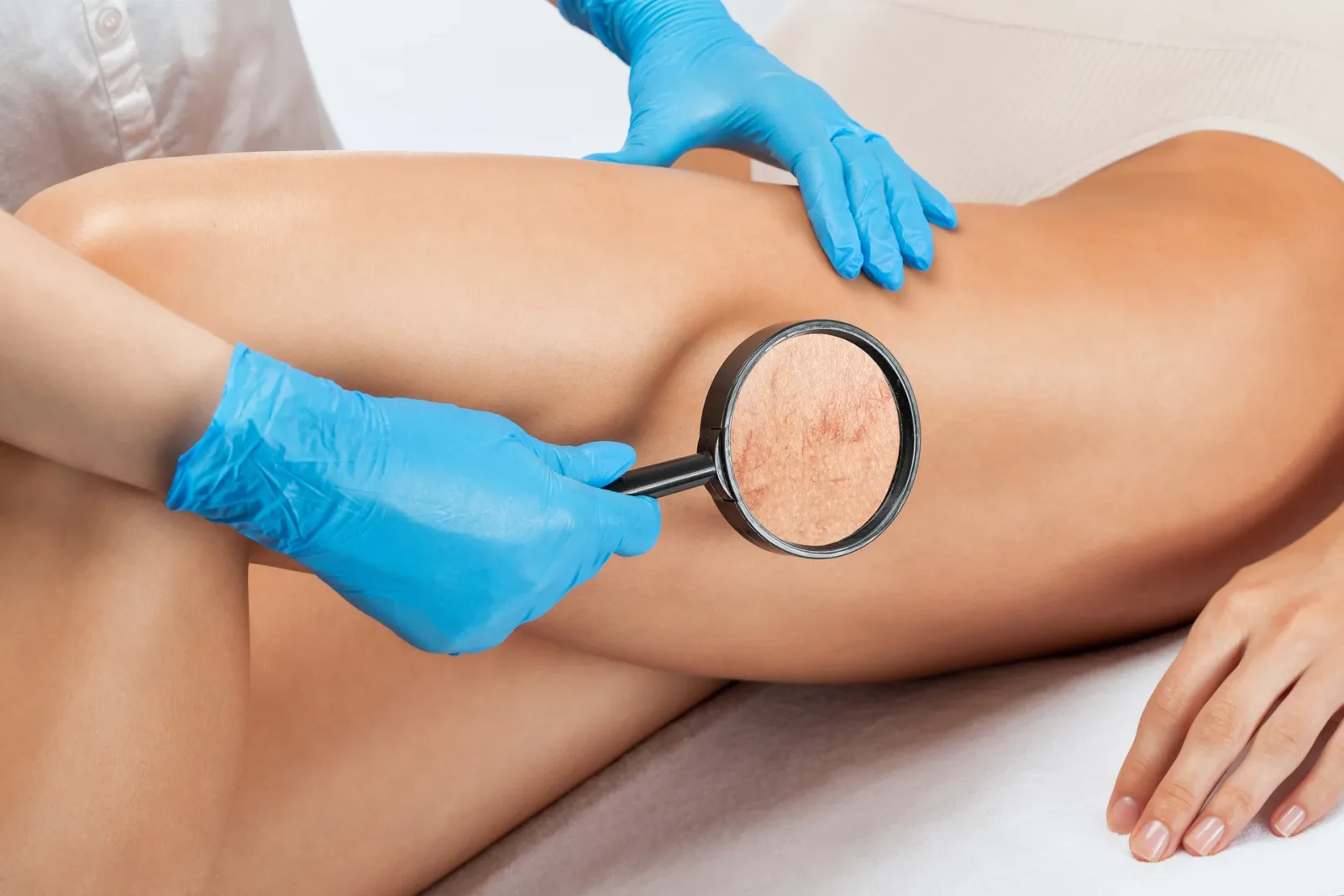
Before we dive into the specifics, let's have a quick chat about why these veins appear in the first place. Your veins are incredible structures, working against gravity every day to push blood back to your heart. They have tiny one-way valves to keep things flowing in the right direction.
Sometimes, due to factors like genetics, age, hormonal changes, or even just spending long hours on your feet, these valves can weaken. When a valve doesn’t close properly, blood can flow backward and pool, putting pressure on the vein wall. This pressure causes the vein to enlarge and become visible through the skin. Both reticular veins and thread veins are born from this process, but they show up in slightly different ways.
Meet the Blues: A Deeper Dive into Reticular Veins
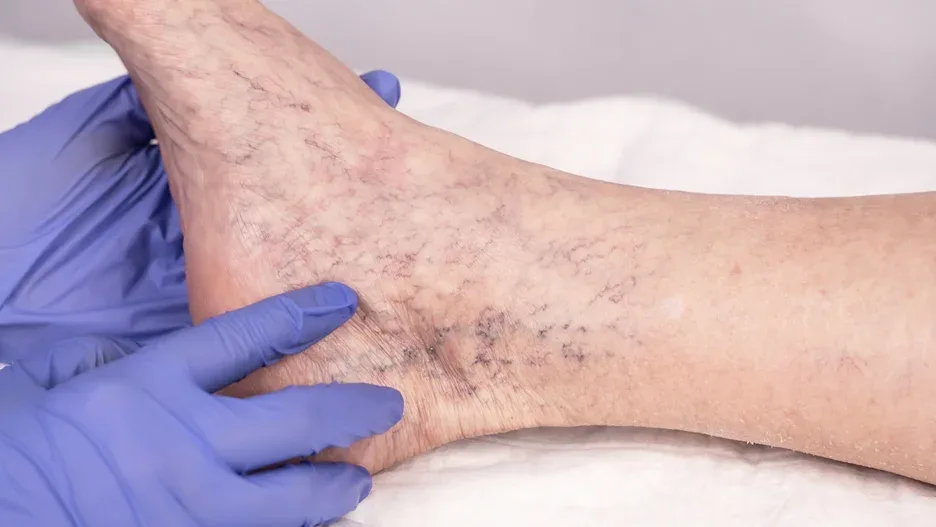
Think of reticular veins as the slightly larger, underlying network. They are often the "feeder veins" that supply the smaller, more delicate thread veins. If you’re trying to identify them, here’s what to look for.
What They Look Like
Reticular veins are typically a bit larger than a pen line, usually measuring between 1 to 3 millimeters in diameter. They have a distinct bluish or greenish color, which is why they’re sometimes called “blue veins.” Unlike varicose veins, they don’t typically bulge or protrude from the skin. Instead, they look like a network of flat, colored lines just beneath the surface.
Where They Tend to Appear
While they can show up anywhere, reticular veins have a few favorite spots. The most common areas are the inner thigh and the back of the knee. You might also notice them on your ankles or even occasionally on your face.
Their Role as "Feeder Veins"
One of the most important things to understand about reticular veins is their relationship with thread veins. Often, a cluster of tiny thread veins is being "fed" by a nearby reticular vein. This is why a proper diagnosis is so crucial. Simply treating the tiny surface veins without addressing the underlying feeder vein can lead to poor results or quick recurrence. It’s like trimming the leaves of a weed without pulling the root.
The Tiniest Lines: A Closer Look at Thread Veins (Spider Veins)
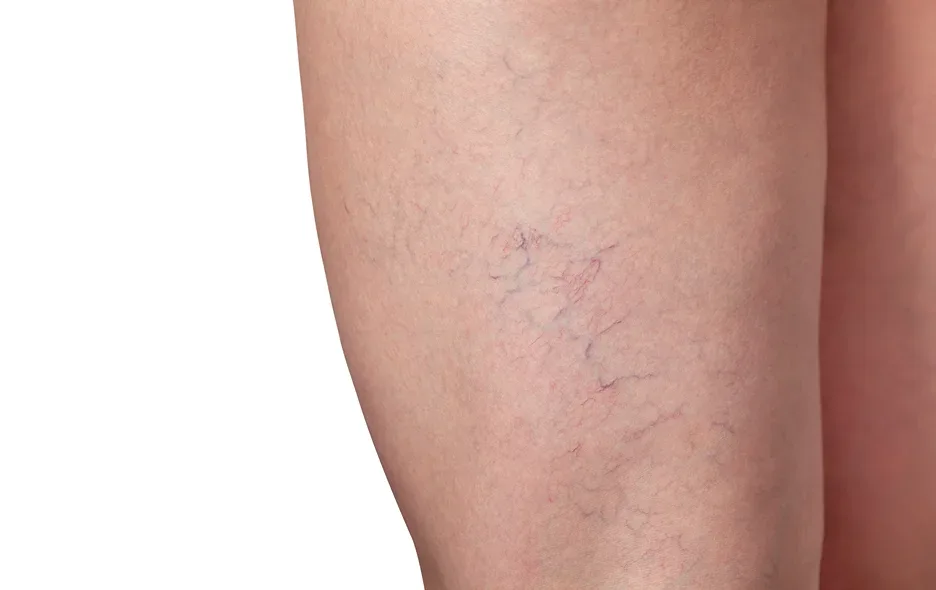
Thread veins, more commonly known as spider veins, are the smaller, more delicate cousins of reticular veins. They are often what people notice first because of their distinct, web-like patterns and brighter colors.
What They Look Like
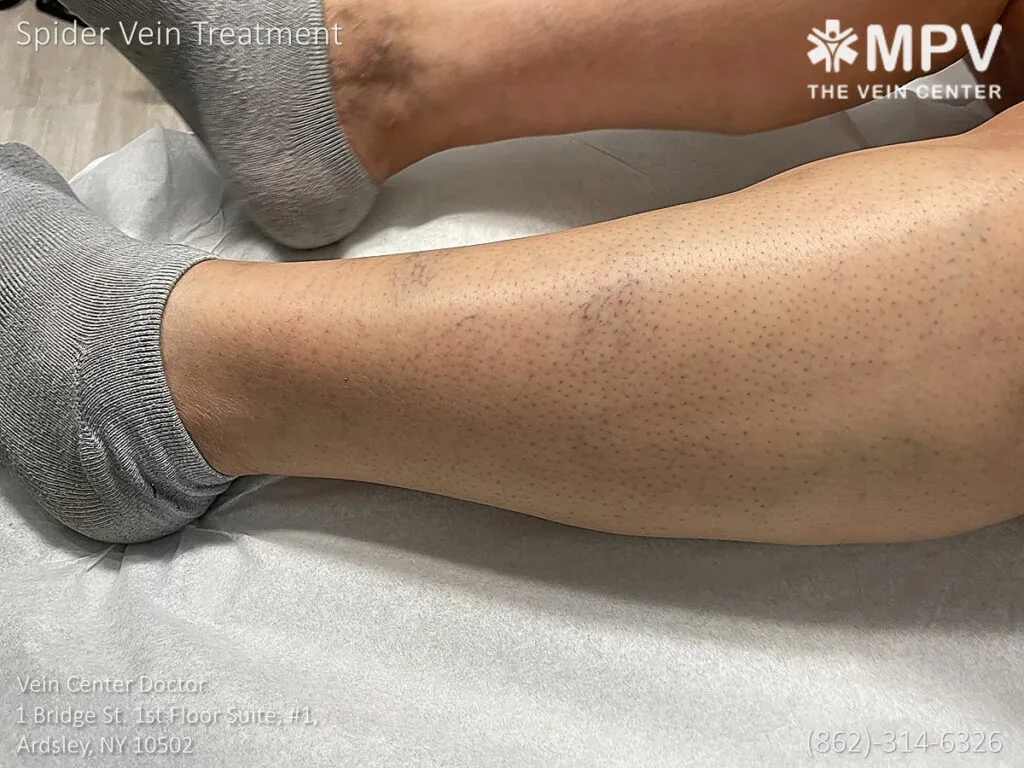
These veins are tiny, about less than 1 millimeter in diameter. They can be red, purple, or blue and lie very close to the skin's surface. They get their "spider" name from their appearance, often fanning out from a central point like a spider's web or appearing as a series of short, unconnected fine lines.
Where They Are Commonly Found
Thread veins are very common on the legs and face, especially on the nose and cheeks. The changing seasons in Westchester County and Passaic County can play a role here. Years of enjoying the summer sun without enough sunscreen can contribute to the development of facial thread veins.
Spot the Difference: A Quick Comparison for Clifton & Ardsley Locals
Feeling a bit clearer? Let’s put it all together in a simple side-by-side comparison to make it easy to remember.
Feature
Reticular Veins
Thread Veins (Spider Veins)
Color
Blue or greenish
Red, purple, or blue
Size
1–3 mm
<1 mm
Appearance
Broader, flat lines; may form a network
Fine, thin lines; web or starburst pattern
Sensation
Usually painless; may ache
Painless; cosmetic
Depth
Slightly deeper in the skin
Very superficial
Do These Veins Matter? From Cosmetic Concern to Potential Warning Sign
For many people in Clifton and Ardsley, both reticular veins and thread veins are primarily a cosmetic issue. They don't cause physical pain, but they can make you feel self-conscious about wearing shorts, skirts, or swimsuits.
However, sometimes these visible veins can be the first sign of an underlying issue called Chronic Venous Insufficiency. This is the condition where the vein valves are not working effectively, leading to poor circulation. If your reticular veins are accompanied by symptoms like aching, swelling, cramping, or a feeling of heaviness in your legs, it’s a good idea to get them checked by a specialist.
Finding Clarity and Confidence in New Jersey and New York
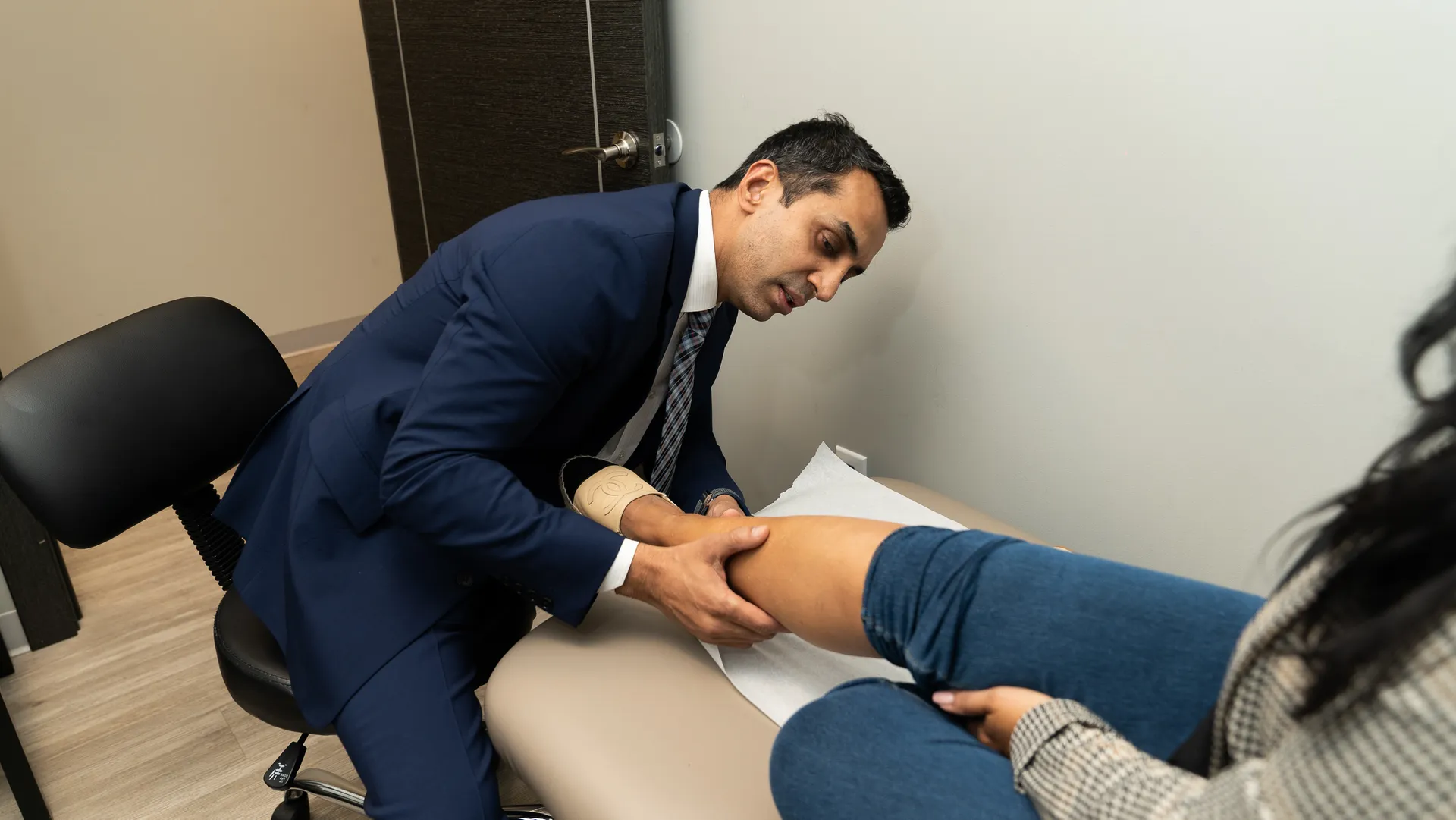
Understanding the difference between reticular veins and thread veins is a great first step. The next is figuring out what to do about them. While a quick internet search provides general information, nothing replaces a personalized evaluation from an expert who understands the nuances of vein health.
Here at Vein Center Doctor, our specialist, Dr. Rahul Sood, has helped hundreds of patients find effective solutions. A popular and effective treatment for both thread and smaller reticular veins is Sclerotherapy. This minimally-invasive procedure involves injecting a solution that causes the vein to collapse and fade away over time. It’s a safe and trusted method for restoring the skin’s clear appearance.
For other underlying issues, treatments like RFA for Varicose Veins or VenaSeal might be recommended after a thorough diagnosis. A professional evaluation can determine not only what type of veins you have but also if they are connected to a deeper "feeder" vein that needs to be addressed for long-lasting results.
Your Next Step to Vein-Free Skin
Now that you can spot the difference between reticular veins and thread veins, you’re empowered with knowledge. You know that those bluish-green lines are likely reticular veins, possibly feeding the finer red and purple spider webs of thread veins.
You also know that you don’t have to live with them. Whether your concern is purely cosmetic or you’re experiencing discomfort, a solution is close to home. For our neighbors in Clifton, NJ, and Ardsley, NY, the path to clearer, more confident legs is just a consultation away.
Ready to stop wondering and start seeing results? Contact the Vein Center Doctor today to schedule your personalized consultation. Dr. Sood and our dedicated team are here to provide a personalized assessment and help you choose the treatment plan that’s right for you.