How Klippel-Trénaunay Syndrome Affects Veins and Limb
Published 2026-01-16
A Guide to Understanding and Managing This Rare Congenital Disorder
It can be unsettling to receive a rare diagnosis, and even more so when it's for yourself or a child. If you're searching for answers about Klippel-Trénaunay Syndrome (KTS), you’re likely trying to understand what it means for the future, especially concerning its effects on veins and limb development. Navigating daily life with KTS presents unique challenges, but understanding the condition is the first, most powerful step toward managing it effectively.
What is Klippel-Trénaunay Syndrome

Klippel-Trénaunay Syndrome is a rare congenital disorder. It’s characterized by a specific triad of symptoms:
- a port-wine stain (a pink-to-reddish-purple birthmark)
- abnormal vein development (like varicose veins)
- overgrowth of soft tissues and bones in a limb
While there is no cure for KTS, understanding how it affects the body is crucial for managing symptoms and maintaining a high quality of life.
At Vein Center Doctor, we believe that knowledge empowers patients. While KTS requires a multidisciplinary team of specialists, our expertise in complex venous disorders plays a vital role in managing one of its most significant aspects. This article will break down how KTS affects veins and limb growth, providing clarity and guidance for individuals and families in New Jersey and New York.
Understanding the Core Symptoms of KTS
Klippel-Trénaunay Syndrome is defined by its three characteristic features. While the severity can vary dramatically from person to person, the presence of these symptoms is what leads to a diagnosis.
1. Port-Wine Stains (Capillary Malformations)
This is often the most visible and earliest sign of KTS. A port-wine stain is a flat, pink, red, or purplish birthmark caused by swollen capillaries (the tiniest blood vessels) just beneath the skin.
- Appearance: In KTS, this birthmark typically covers a significant portion of the affected limb.
- Changes Over Time: While it’s present at birth, the stain may darken or thicken as a person ages. It can also sometimes develop small bumps or "blebs" that may bleed.
2. Abnormal Vein Development (Venous Malformations)
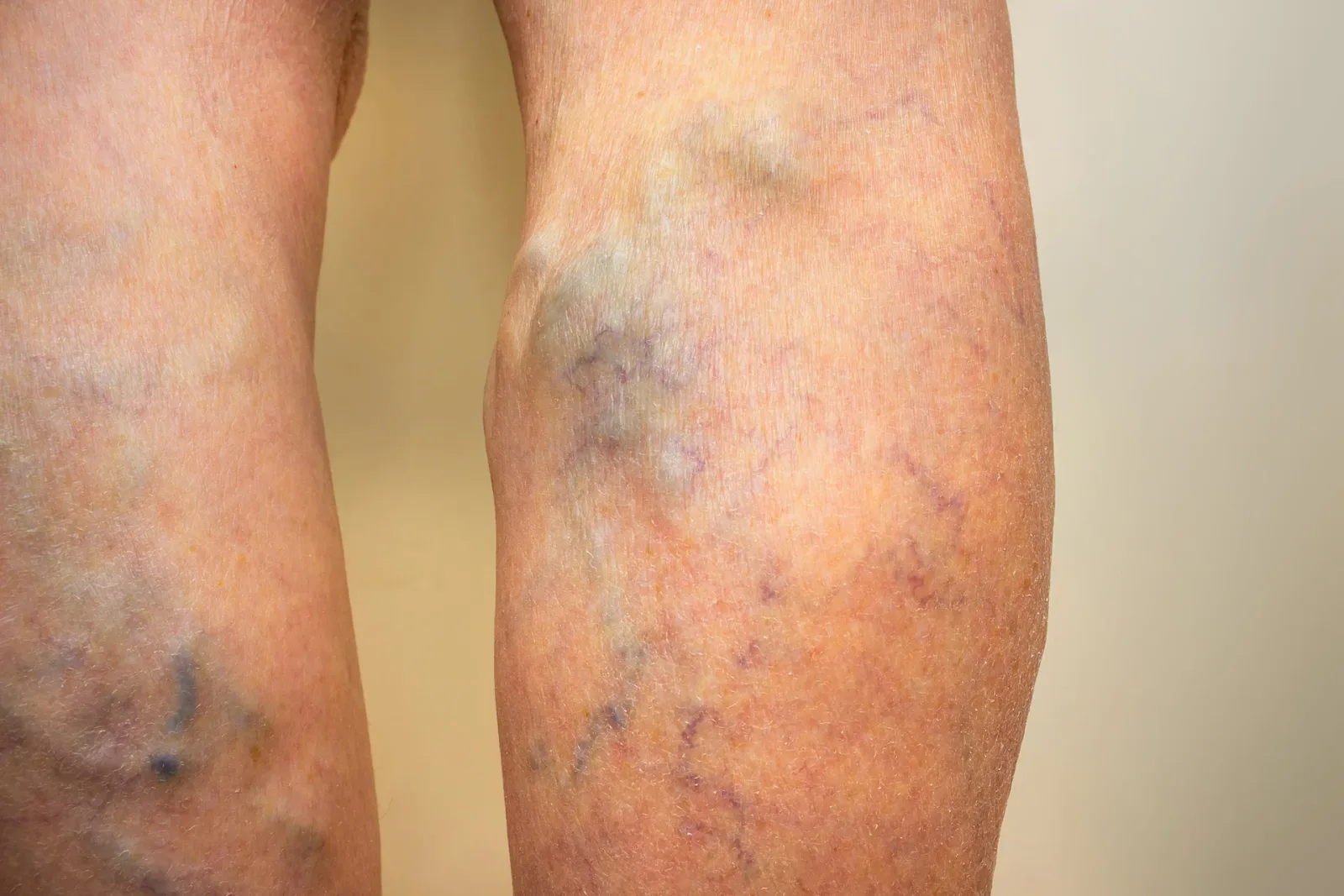
This is where the expertise of a vein specialist becomes critical. KTS causes veins in the affected limb to develop improperly. This can range from mild, cosmetic issues to severe, painful complications.
- Varicose Veins: Many individuals with KTS develop prominent, bulging varicose veins at an unusually young age. These are not the typical varicose veins that might develop later in life; they are part of the underlying malformation.
- Deep Vein Issues: KTS can also affect the deep veins within the limb. Sometimes, deep veins may be absent, underdeveloped, or function poorly. This forces blood to flow through the superficial veins, overloading them and worsening varicose veins and swelling.
- Embryonic Veins: In some cases, large, primitive veins that should have disappeared during fetal development persist. These are often called "lateral marginal veins" and can be a significant source of pain and complications.
The constant pressure and poor circulation from these malformed veins can lead to significant discomfort, swelling, and a feeling of heaviness, making a daily commute on the Garden State Parkway or a walk along the South County Trailway in Westchester a painful ordeal.
3. Limb Overgrowth (Bone and Soft Tissue Hypertrophy)
The third hallmark of KTS is the overgrowth of the affected limb. This happens because the increased blood flow from the vascular malformations acts as a "fertilizer," stimulating the growth of bone and soft tissue.
- Asymmetry: The affected arm or leg may be longer and/or have a larger circumference than the unaffected limb.
- Functional Challenges: This limb length discrepancy can affect gait, posture, and joint health, leading to back, hip, or knee pain. It can make simple activities like buying shoes a frustrating experience and may require custom footwear or orthotics for proper balance.
- Severity: The degree of overgrowth varies widely. For some, it's barely noticeable, while for others, it can be quite significant.
How KTS Specifically Impacts Your Veins and Circulation
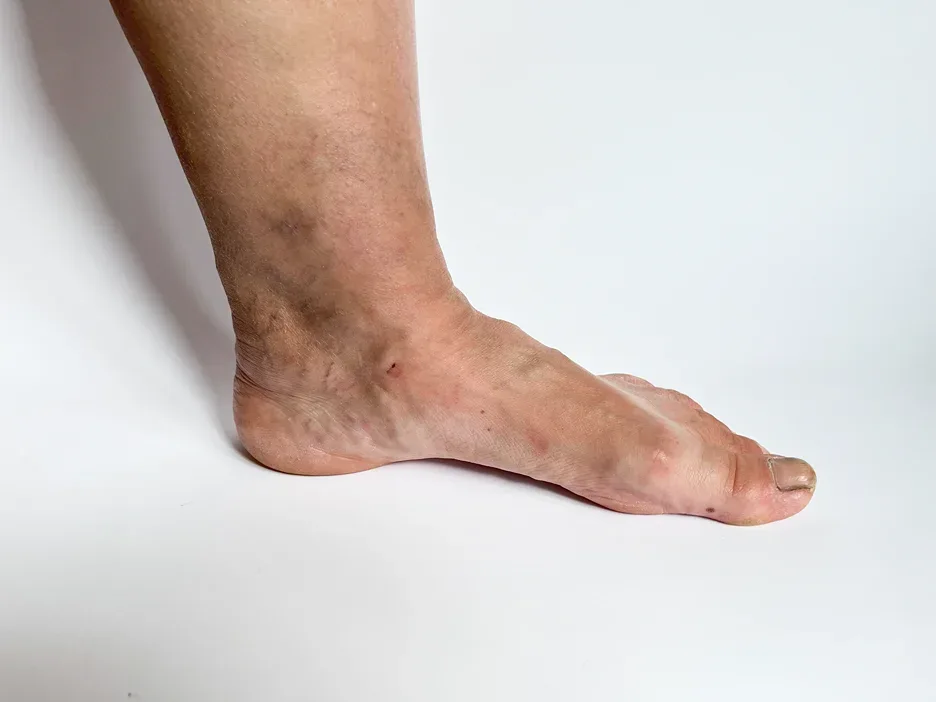
The venous malformations in Klippel-Trénaunay Syndrome are the engine behind many of the condition's most challenging symptoms. The veins’ very structure is abnormal. The one-way valves that are supposed to push blood back toward the heart are often faulty or missing entirely.
This leads to severe chronic venous insufficiency, where blood pools in the limb instead of circulating efficiently. This pooling is responsible for:
- Pain and Heaviness: The constant pressure inside the veins creates a chronic, aching pain and a feeling of heaviness that often worsens after standing or sitting for long periods - a common reality for many commuting from Clifton or Ardsley into New York City.
- Swelling (Edema): Fluid from the blood leaks out of the pressurized veins and into the surrounding tissues, causing persistent swelling. This can be exacerbated by the humid New Jersey summers.
- Skin Changes: The poor circulation can damage the skin, making it fragile, discolored, and prone to breaking down. This can lead to slow-healing wounds or venous ulcers.
- Increased Risk of Blood Clots: Sluggish blood flow in the malformed deep veins increases the risk of developing deep vein thrombosis (DVT), a serious condition where a blood clot forms in a deep vein.
Managing these venous symptoms is paramount to improving comfort and preventing serious complications. A cornerstone of this management is often venous compression therapy. By applying external pressure, specialized garments can help support the faulty veins, reduce swelling, and improve blood flow back to the heart.
Managing KTS Symptoms: The Role of a Vein Specialist
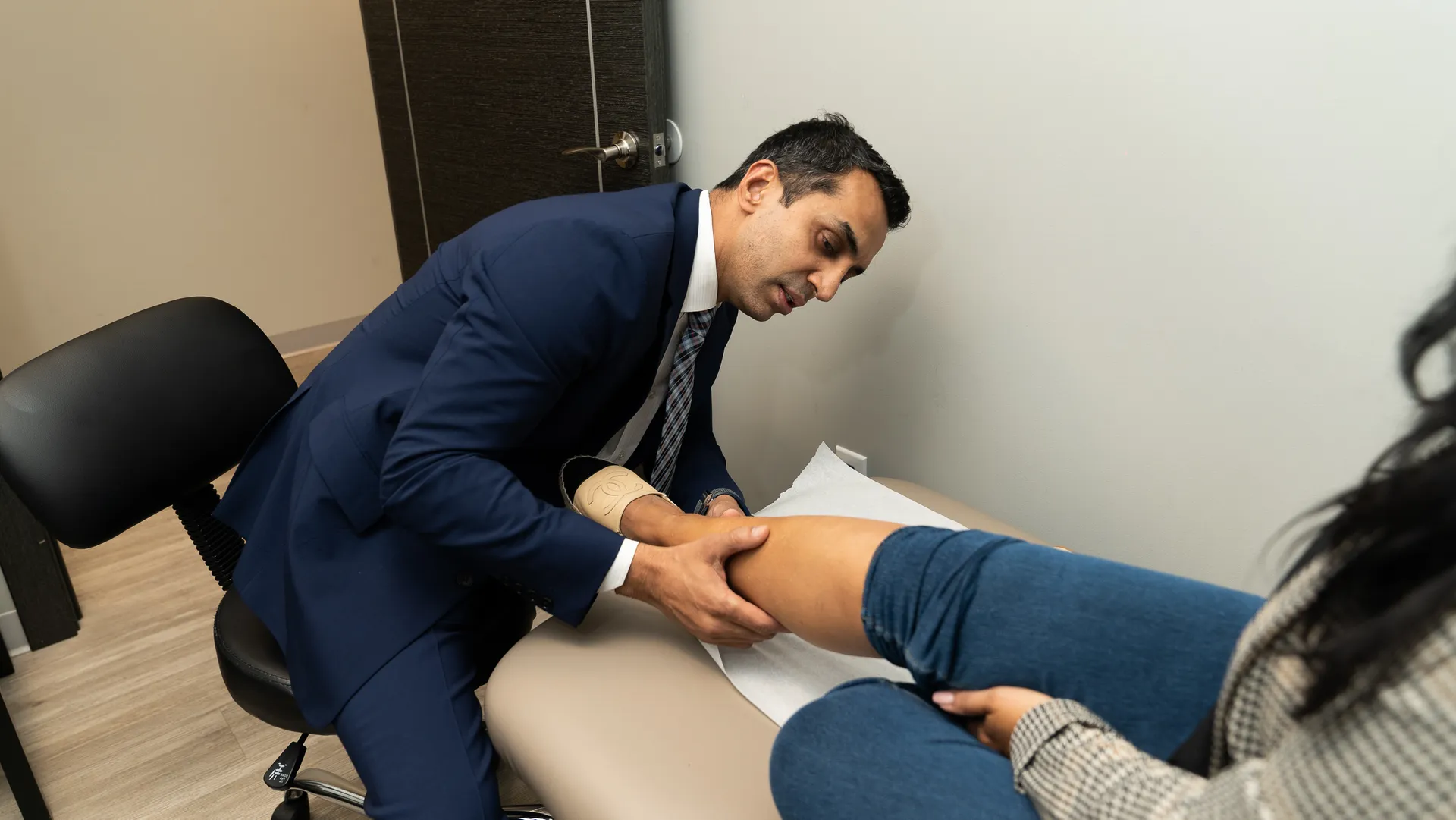
While a team of doctors is needed to manage KTS, a vein specialist is your key ally for tackling the vascular aspects. The team at Vein Center Doctor, led by Dr. Rahul Sood, provides expert care focused on alleviating the venous symptoms of KTS.
Our approach is not to cure the syndrome, but to manage its effects and improve your quality of life. After a thorough evaluation, which may include ultrasound imaging to map out the abnormal veins, we can develop a personalized management plan. This plan might include:
- Compression Therapy: We provide guidance on the best type and strength of compression stockings or wraps to control swelling and support circulation.
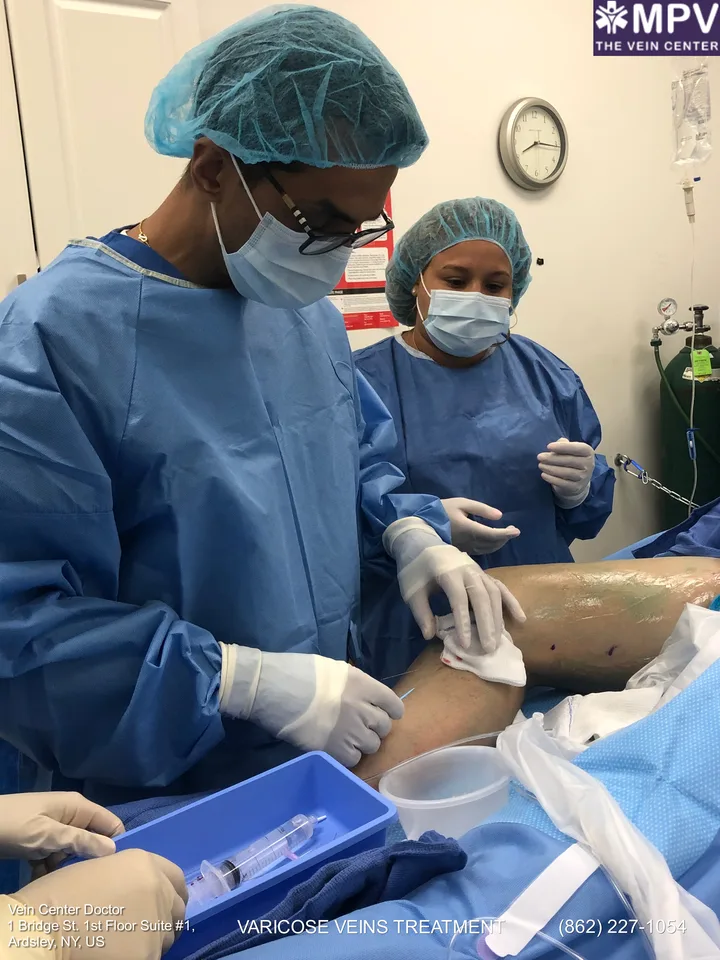
- Sclerotherapy: For certain problematic superficial varicose veins or smaller malformations, Sclerotherapy (often using a foamed agent) can be used. Crucially, this treatment requires a specialist with deep experience, as applying it to the major, deep malformed veins (like the lateral marginal vein) can be dangerous.
- Endovenous Treatments: In select cases, minimally-invasive procedures like Radiofrequency Ablation (RFA) or VenaSeal may be considered for specific, large, straight veins that are contributing to the problem.
It's important to note that treating veins in KTS is more complex than in standard varicose vein cases and requires a specialist with a deep understanding of these malformations.
Your Partner in Vein Health in New Jersey and New York
Living with Klippel-Trénaunay Syndrome means facing a unique set of challenges, but you don't have to face them alone. The venous symptoms of pain, swelling, and discomfort can often be effectively managed, allowing you to live a fuller, more active life.
If you or a loved one in the Clifton, NJ, or Ardsley, NY, area is dealing with the venous complications of KTS, the first step is a comprehensive consultation. At Vein Center Doctor, we are committed to providing compassionate, expert care tailored to your specific condition. Let us be a part of your healthcare team, helping you manage your symptoms and improve your vein health.
Schedule a consultation today to discuss how we can help you manage the venous aspects of KTS and take back control of your comfort and well-being.